How to Use Sterile Eye Pads?
Why Sterile Eye Pads Matter
An eye injury can happen faster than you think-a splash from cleaning fluid, a speck of dust at work, or irritation from makeup or sweat. When the eye becomes sore, red, or needs protection, using Sterile Eye Wash Pads can make all the difference between quick relief and possible infection.
"Sterile" isn't just a fancy medical term-it means the pad is completely free from microorganisms. Your eyes are delicate organs; even minor contamination can slow healing. Non-sterile materials can trap bacteria and worsen inflammation. Sterile pads, on the other hand, create a clean, breathable barrier that lets the eye rest safely.
They're not only for hospitals. Keeping a small pack at home, in the car, or at work is a simple but smart form of personal first aid.
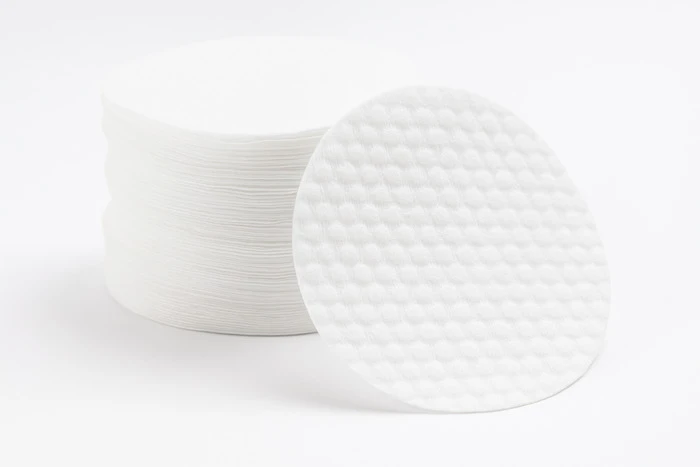
When to Use a Sterile Eye Pad
Sterile Eye Wash Pads are helpful in many situations:
Minor eye irritation: Dust, small scratches, or mild redness.
After surgery: Often prescribed after cataract or corneal operations to protect against infection.
First aid emergencies: For chemical splashes, burns, or foreign objects (after rinsing with clean water).
Eye rest: When the eye feels strained or dry after long hours on screens.
But remember-they're not a cure-all. Never use an eye pad before flushing out chemicals or if vision loss occurs. In those cases, see a doctor immediately.
Step-by-Step: Applying a Sterile Eye Pad
Clean technique is key. Here's a grounded, step-by-step guide that anyone can follow confidently:
Wash your hands thoroughly. Soap and water for at least 20 seconds-your hands are the first "tool."
Open the sterile pack carefully. Avoid touching the inner surface of the pad.
Close the affected eye gently. Don't squeeze or rub.
Place the pad over the eyelid so it sits comfortably.
Secure it with medical tape or a light bandage. It should hold firmly but not press into the eye.
Keep the other eye open if possible-it helps balance movement and prevents strain.
Pro Tip: Use a fresh pad every time. Reusing one-even once-breaks sterility and risks infection.
Common Mistakes to Avoid
Even simple first aid can go wrong if rushed. Watch out for these everyday errors:
|
Mistake |
Why It Matters |
What to Do Instead |
|
Touching the sterile side of the pad |
Introduces bacteria |
Only hold edges or use clean tweezers |
|
Using too much tape |
Can cause pressure or discomfort |
Apply just enough to keep in place |
|
Reusing old or opened pads |
No longer sterile |
Always open a new pack |
|
Ignoring eye discharge or pain |
May signal infection |
Replace pad and consult a doctor |
|
Leaving pad on too long |
Moisture promotes bacteria |
Change after a few hours or when damp |
(Chart above illustrates proper vs. improper handling techniques for daily reference.)
How Long Should It Stay On?
There's no single rule-it depends on your situation:
For minor irritations, 1–2 hours may be enough to rest the eye.
After surgery, follow medical advice-usually 24 hours of protection.
Replace the pad right away if it becomes wet, dirty, or loosened.
The goal is to protect, not to cover the eye endlessly. The eye needs airflow and moisture balance to heal naturally.
Signs You Need Professional Help
Even the best sterile pad can't fix every problem. Contact a healthcare provider if:
Pain increases or vision gets blurrier.
Redness spreads around the eyelid.
There's yellow or green discharge.
You suspect a chemical burn or deep injury.
The pad sticks to a wound (never pull-moisten it with saline instead).
A sterile pad is a shield, not a treatment-it buys time and safety until medical care is available.
Storage and Hygiene Habits
To keep Sterile Eye Wash Pads truly sterile:
Store them in a cool, dry place away from sunlight.
Don't carry loose pads in your bag-keep them sealed in their packets.
Avoid handling them with wet or dirty hands.
Check expiry dates before use.
Sterile packaging is what makes them safe-once it's torn or damp, it's no longer protective.

Behind the Material: What Makes a Good Sterile Pad
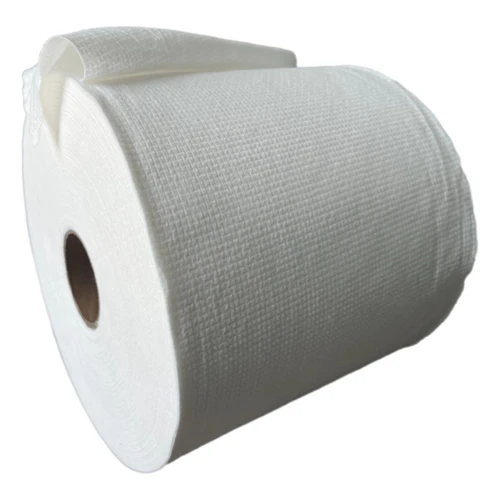
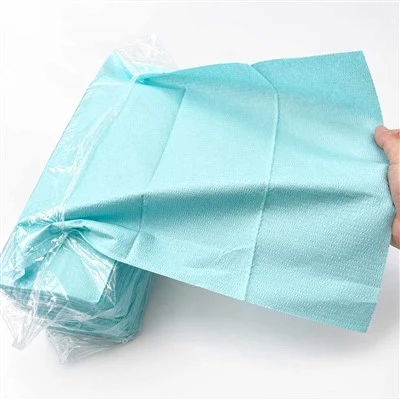
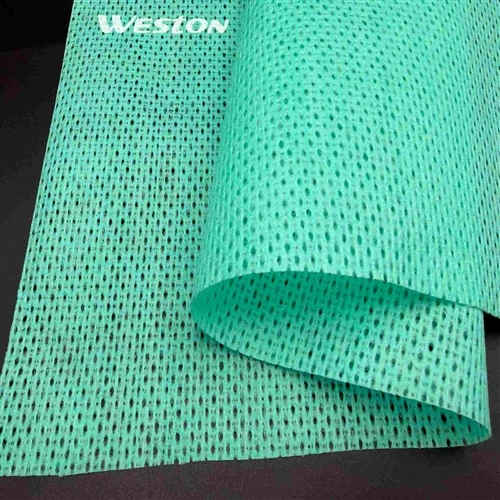
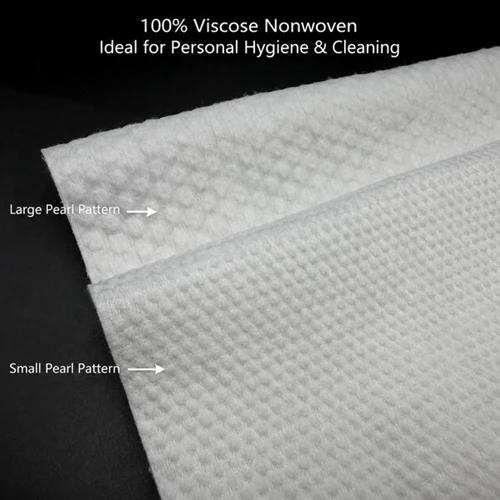
A lot of thought goes into what seems like a simple piece of fabric. High-quality eye pads are made from nonwoven fibers that are soft, breathable, and highly absorbent. These materials cushion the eye gently without leaving lint or fibers behind.
Factories like Weston Nonwoven Manufacturing produce premium medical-grade nonwoven fabrics used in Sterile Eye Wash Pads and similar protective dressings. Their nonwoven layers provide consistent quality and cleanliness, key for reliable sterile packaging.
The Value of Using Sterile Eye Pads Correctly
Using Sterile Eye Wash Pads isn't about overcomplicating first aid-it's about doing small things right.
Each clean layer of nonwoven fiber acts as protection between your healing eye and the outside world.
By following basic hygiene, replacing pads regularly, and using trusted sterile materials, you let nature and science work together for recovery.
A sterile pad may look simple, but it represents careful design-clean fiber structure, soft texture, and protective layering that keeps bacteria out and comfort in.
In daily life, sterile care is often underestimated.
The next time your eyes feel irritated or injured, reaching for a clean Sterile Eye Wash Pad is one small, smart action that helps healing happen safely.
It's science in your first aid kit-simple, quiet, and effective.