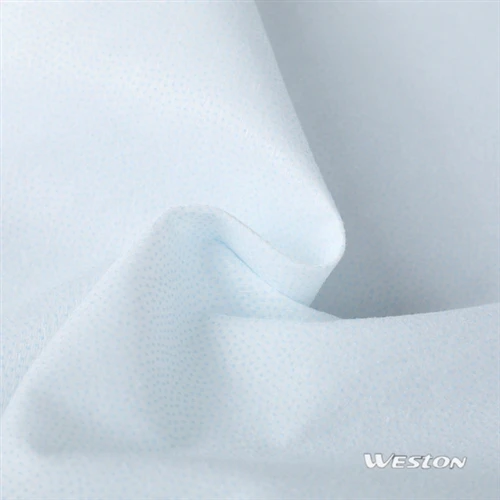
Spunlace leather, a remarkable innovation in the textile industry, represents a fusion of technology and craftsmanship. This material is not only aesthetically pleasing but also functional, catering to a variety of applications. Understanding spunlace leather requires an exploration of its manufacturing process, properties, advantages, and disadvantages.
The Manufacturing Process
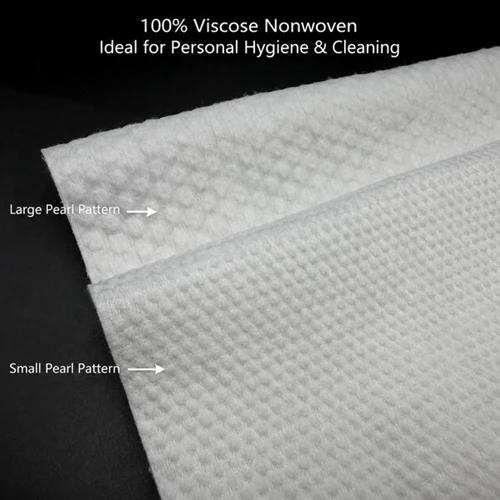
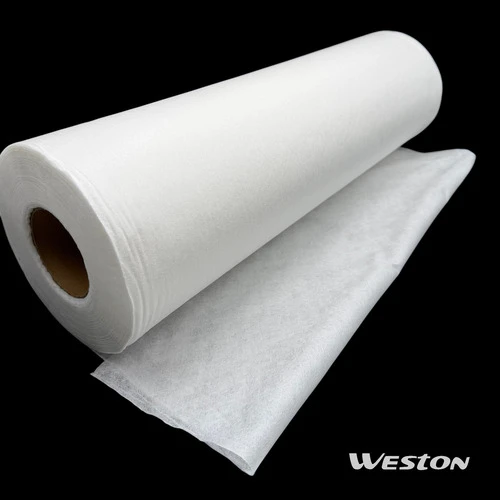
Spunlace leather is produced through a unique nonwoven fabric technology known as spunlacing. This process involves entangling fibers using high-pressure water jets, resulting in a fabric that mimics the characteristics of traditional leather. The primary materials used in spunlace leather include cellulose fibers, synthetic fibers, and various additives that enhance its performance.
Fiber Selection: The choice of fibers is crucial. Natural fibers like viscose and cotton are often blended with synthetic fibers such as polyester to improve durability and texture.
Hydroentanglement: The selected fibers undergo hydroentanglement, where jets of water create a web of interlocked fibers. This method eliminates the need for adhesives, resulting in a more eco-friendly product.
Drying and Finishing: After the hydroentanglement process, the material is dried and may be treated with various finishes to impart desired properties such as water resistance or softness.
Properties of Spunlace Leather
Spunlace leather boasts a range of properties that make it suitable for various applications:
Durability: The fiber entanglement provides significant strength, making spunlace leather resistant to tearing and wear.
Breathability: Unlike traditional leather, spunlace leather allows for air circulation, which is vital for comfort in applications such as clothing and upholstery.
Versatility: Available in various textures and finishes, spunlace leather can be tailored to meet specific aesthetic and functional requirements.
Eco-friendliness: The absence of harmful adhesives and the use of biodegradable fibers contribute to a lower environmental impact.
Advantages of Spunlace Leather

The advantages of spunlace leather extend to both manufacturers and consumers:
Cost-Effectiveness: The production process is often more cost-effective than traditional leather manufacturing, allowing for competitive pricing without compromising quality.
Maintenance: Spunlace leather is typically easier to clean and maintain compared to traditional leather. For instance, products like Odor-Control Pet Cleaning Wipes can be effectively used on spunlace leather surfaces.
Customizability: Manufacturers can easily customize spunlace leather to meet specific design needs, whether for fashion, automotive, or home décor.
Animal-Friendly: As a synthetic alternative to leather, spunlace leather appeals to consumers seeking cruelty-free options without sacrificing style.
Disadvantages of Spunlace Leather
Despite its many benefits, spunlace leather is not without its drawbacks:
Perceived Value: Some consumers may view spunlace leather as inferior to genuine leather, affecting its market acceptance.
Limited Longevity: While durable, spunlace leather may not have the same lifespan as high-quality traditional leather, particularly in high-wear applications.
Sensitivity to Heat: Spunlace leather can be sensitive to high temperatures, which may affect its appearance and texture over time.
Environmental Concerns: Although spunlace leather is more eco-friendly than traditional leather, the production of synthetic fibers still poses environmental challenges, particularly in terms of resource consumption.
Applications of Spunlace Leather
Spunlace leather is utilized across various industries, demonstrating its versatility and adaptability:
Fashion: Designers are increasingly incorporating spunlace leather into footwear, bags, and clothing, taking advantage of its stylish aesthetics and ease of maintenance.
Automotive: The automotive industry uses spunlace leather for upholstery and interior applications, benefiting from its durability and breathability.
Home Furnishings: From cushions to wall coverings, spunlace leather enhances home décor with its rich textures and colors.
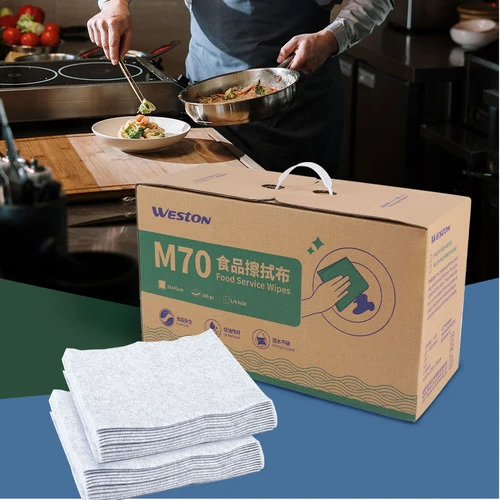
Medical and Hygiene Products: The nonwoven nature of spunlace leather makes it suitable for applications such as surgical drapes and hygiene wipes, including products like Double-Layer Wood Pulp PP Spunlace Nonwoven for Oil Cleaning.
Innovations in Spunlace Leather
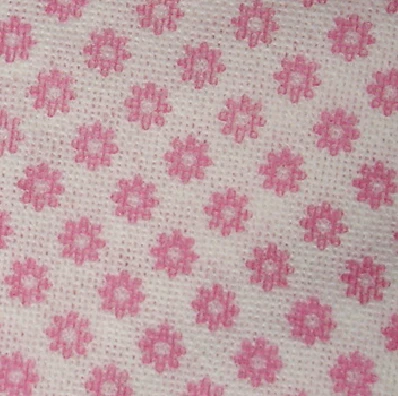
Recent advancements in spunlace leather technology have led to the development of innovative products. One notable example is the Zigzag Textured Viscose-Polyester Spunlace Nonwoven, which combines aesthetic appeal with functional performance. This product exemplifies the potential for creative applications while maintaining the inherent benefits of spunlace leather.
Future Perspectives
As consumer preferences shift towards sustainable and ethical products, spunlace leather is poised for growth in the market. Its ability to combine functionality with fashion aligns well with current trends. The ongoing research and development in fiber technology will likely yield even more innovative spunlace leather solutions.
For businesses interested in exploring spunlace leather products, samples are available upon request. To learn more about Weston's offerings, including the Odor-Control Pet Cleaning Wipes and other spunlace innovations, feel free to reach out at info@westonmanufacturing.com.
In summary, spunlace leather represents a significant advancement in the textile industry, providing an eco-friendly, durable, and versatile alternative to traditional leather. Its unique properties and wide range of applications make it an attractive option for manufacturers and consumers alike, paving the way for a more sustainable future in fashion and beyond.