In the intricate web of modern manufacturing, spunlace nonwoven fabrics have carved out a pivotal role, silently underpinning countless industries with their unique blend of functionality and versatility. Yet, beneath their seemingly simple exterior lies a complex composition that determines their performance, durability, and applicability. To truly grasp the essence of spunlace, one must delve into the very materials that constitute it-a journey that reveals the careful selection and combination of fibers, each contributing its own set of properties to the final product.
The Core Fibers: Building Blocks of Spunlace
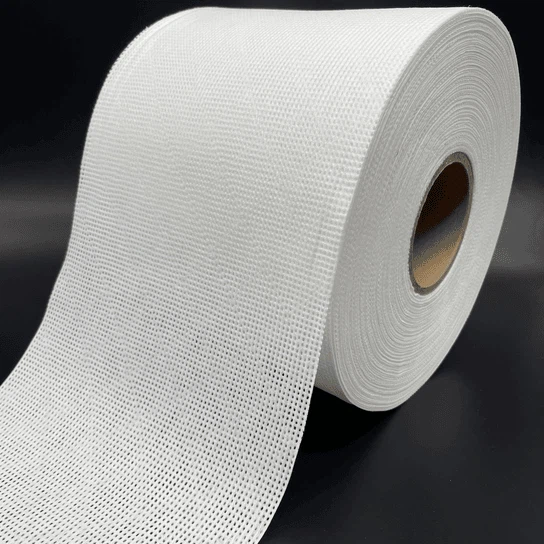
At the heart of spunlace nonwoven fabrics are various types of fibers, each chosen for specific characteristics that align with the intended use of the fabric. These fibers can be broadly categorized into natural and synthetic, with each category offering distinct advantages.
Natural fibers, derived from plants or animals, bring inherent benefits such as biodegradability, breathability, and skin-friendliness. Among the most commonly used natural fibers in spunlace production is wood pulp. Wood pulp fibers, extracted from trees through a series of processing steps, possess excellent absorbency, making them ideal for applications where liquid retention is crucial. Their fine structure allows for a soft texture, enhancing the comfort of products that come into contact with the skin.
Cotton, another natural fiber, is highly regarded for its exceptional softness, breathability, and hypoallergenic properties. Cotton fibers have a natural twist that enables them to interlock well, contributing to the strength and integrity of the spunlace fabric. Due to these attributes, cotton is often favored in products designed for personal care and medical applications, where gentleness on the skin is paramount.
Synthetic fibers, on the other hand, are man-made and engineered to provide specific performance traits. Polyester is a prominent synthetic fiber in spunlace manufacturing, valued for its high strength, durability, and resistance to chemicals and abrasion. It adds structural stability to the fabric, ensuring it can withstand repeated use and harsh conditions. Polyester fibers also have low moisture absorption, which can be advantageous in applications where water resistance is a requirement.
Viscose, a semi-synthetic fiber, bridges the gap between natural and synthetic. Made from wood pulp that undergoes chemical processing to form a regenerated cellulose fiber, viscose combines the comfort and breathability of natural fibers with the enhanced strength and versatility of synthetics. It offers good absorbency and drapability, making it a popular choice in a wide range of spunlace applications.
The Art of Fiber Blending: Balancing Properties
Spunlace fabrics are rarely composed of a single type of fiber. Instead, manufacturers employ the art of fiber blending to create fabrics with a tailored set of properties. By combining different fibers, they can offset the limitations of one fiber with the strengths of another, resulting in a fabric that meets the precise demands of a particular application.
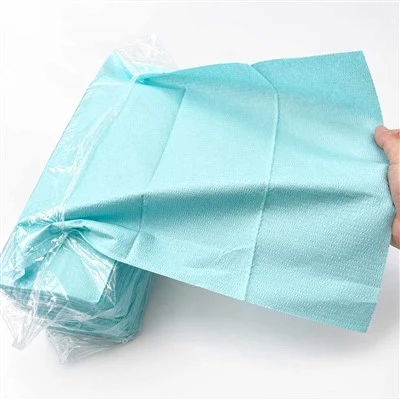
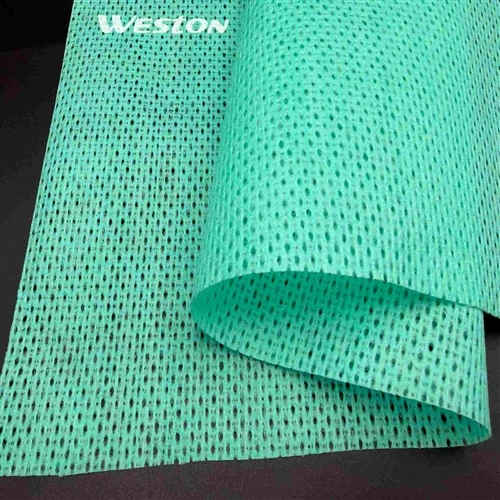
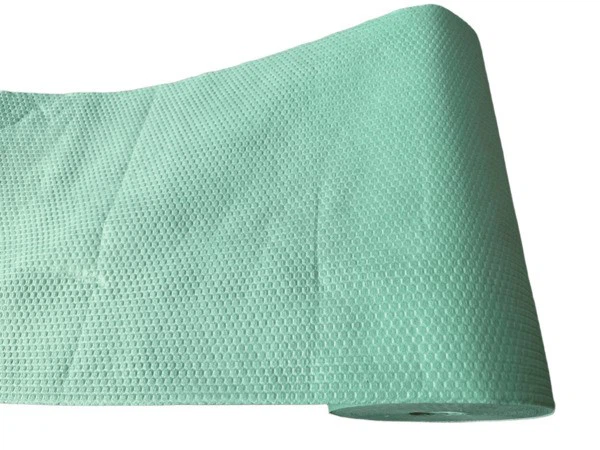
Mint Green Embossed Wood Pulp - Polyester Spunlace Rolls exemplify the effectiveness of such blending. The combination of wood pulp and polyester brings together the absorbency of wood pulp and the strength of polyester. This blend is particularly well-suited for products that require both the ability to soak up liquids and the durability to withstand handling, such as wet wipes and cleaning cloths. The embossed texture, achieved through specific manufacturing processes, further enhances the fabric's functionality by increasing surface area for better absorption and providing a more pleasant tactile experience.

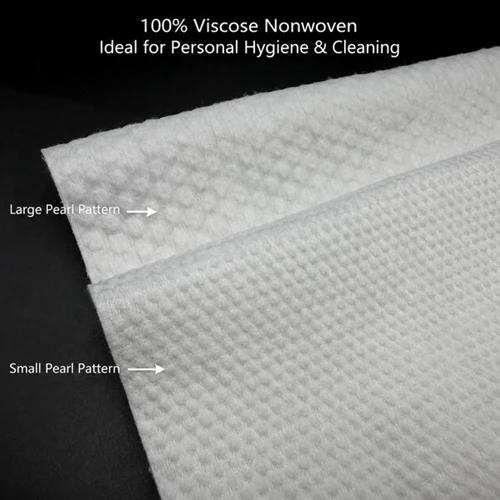
100% Viscose Spunlace Nonwoven Fabric Rolls showcase the potential of a single semi-synthetic fiber. Viscose, with its natural cellulose base, offers excellent softness and breathability, while its manufacturing process imparts sufficient strength for various applications. This pure viscose composition is often chosen for products where a high level of comfort and compatibility with the skin is essential, such as facial masks and cosmetic pads.
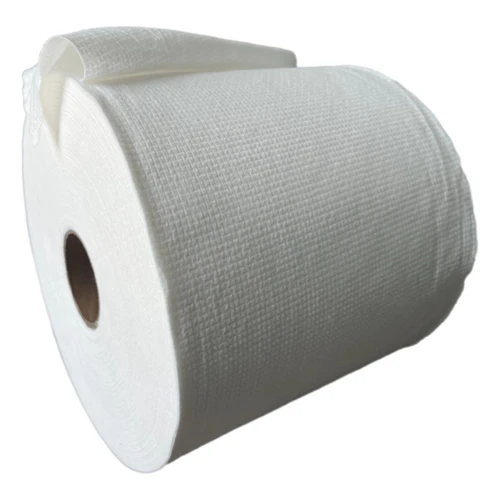
150gsm Cotton Spunlace Nonwoven Rolls demonstrate the quality of cotton-based spunlace. The 150gsm weight indicates a fabric of moderate thickness and density, providing a balance between softness and durability. Cotton's natural properties make these rolls suitable for applications in personal hygiene and medical settings, where purity and comfort are of utmost importance.
Advantages and Limitations: A Comprehensive View
The choice of fibers and their blending in spunlace fabrics brings forth a range of advantages, but it also presents certain limitations that must be considered.
One of the key advantages of spunlace fabrics is their exceptional softness, which is a result of the fibers being entangled without the use of harsh chemicals or high heat, preserving their natural texture. This softness makes them ideal for products that come into direct contact with the skin, reducing the risk of irritation.
Absorbency is another notable advantage, especially when natural fibers like wood pulp or cotton are included in the blend. These fibers have a high capacity to retain liquids, making spunlace fabrics suitable for use in wipes, medical dressings, and other absorbent products.
Spunlace fabrics also offer good strength and durability, particularly when synthetic fibers like polyester are incorporated. The entanglement process creates a strong bond between the fibers, enabling the fabric to withstand tearing and stretching, even with repeated use.
In terms of breathability, natural and semi-synthetic fibers contribute to the fabric's ability to allow air circulation, preventing moisture buildup and enhancing comfort. This is a crucial property in applications such as clothing liners and medical garments.
However, there are limitations to consider. The absorbency of spunlace fabrics, while an advantage in many cases, can be a drawback in applications where water resistance is needed. In such instances, additional treatments or the use of more synthetic fibers may be required, which can alter other properties of the fabric.
Cost is another factor. Natural fibers like cotton can be more expensive than synthetic fibers, which can increase the production cost of spunlace fabrics. Blending with synthetic fibers can help mitigate this, but finding the right balance between cost and performance is a constant challenge for manufacturers.
The biodegradability of spunlace fabrics varies depending on the fiber composition. Fabrics made primarily from natural fibers are more biodegradable, aligning with growing environmental concerns. However, those containing a high proportion of synthetic fibers may persist in the environment for longer periods, posing potential ecological risks.
The Manufacturing Process: Transforming Fibers into Fabric
The transformation of fibers into spunlace nonwoven fabric is a sophisticated process that relies on high-pressure water jets to entangle the fibers. This process, known as hydroentanglement, is what gives spunlace its unique structure and properties, and it is closely intertwined with the choice of fibers.
First, the selected fibers are blended in precise proportions to achieve the desired characteristics. The blended fibers are then formed into a web, a loose arrangement of fibers that serves as the foundation of the fabric. This web is fed into the hydroentanglement machine, where high-pressure water jets are directed at it from multiple angles.
The force of the water jets causes the fibers to move and entangle with one another, creating a strong, cohesive fabric. The pressure and pattern of the water jets can be adjusted to control the degree of entanglement, which in turn affects the fabric's strength, thickness, and texture. For example, the embossed texture of Mint Green Embossed Wood Pulp - Polyester Spunlace Rolls is achieved through specific water jet patterns that create raised areas on the fabric surface.
The choice of fibers influences the effectiveness of the hydroentanglement process. Fibers with good flexibility and length are more easily entangled, resulting in a more uniform and strong fabric. Synthetic fibers, with their inherent strength, can withstand the high pressure of the water jets without breaking, ensuring the integrity of the fabric during production. Natural fibers, while softer, may require careful handling to prevent damage during the process.
After hydroentanglement, the fabric undergoes a series of finishing steps, such as drying, cutting, and rolling, to prepare it for its final application. These steps are also influenced by the fiber composition, as different fibers may respond differently to drying temperatures and other processing conditions.
Applications Across Industries: Driven by Composition
The composition of spunlace fabrics directly dictates their suitability for various industries, as each sector demands specific properties that are derived from the fibers used.
In the personal care industry, spunlace fabrics are widely used in products such as wet wipes, facial masks, and cosmetic pads. The softness and skin-friendliness of fabrics containing cotton or viscose make them ideal for these applications. 100% Viscose Spunlace Nonwoven Fabric Rolls, with their pure viscose composition, provide a gentle touch, ensuring that these personal care products are comfortable to use and do not cause irritation.
The medical industry relies on spunlace fabrics for items like surgical drapes, wound dressings, and medical wipes. Here, the combination of strength, absorbency, and sterility is crucial. Cotton-based spunlace fabrics, such as 150gsm Cotton Spunlace Nonwoven Rolls, offer the necessary softness and absorbency for wound care, while their strength ensures they can withstand the rigors of medical procedures.
In the household and cleaning sector, spunlace fabrics are used in cleaning cloths and wipes. The absorbency of wood pulp combined with the durability of polyester, as seen in Mint Green Embossed Wood Pulp - Polyester Spunlace Rolls, makes these fabrics effective at picking up dirt and liquids, while their embossed texture enhances their cleaning performance.
The automotive and industrial industries also utilize spunlace fabrics for various purposes, including filtration, sound insulation, and padding. In these applications, the strength and durability of synthetic fibers like polyester are key, as the fabrics must withstand harsh environments and heavy use.
Looking Ahead: Innovations in Spunlace Composition
As industries continue to evolve and demand more from materials, the composition of spunlace nonwoven fabrics is poised for further innovation. Manufacturers are exploring new fiber sources and blending techniques to enhance the performance, sustainability, and functionality of spunlace fabrics.
One area of focus is the development of more sustainable fiber options. This includes the use of recycled fibers, both natural and synthetic, to reduce the environmental impact of production. Researchers are also investigating the potential of agricultural by-products as a source of natural fibers, offering a more eco-friendly alternative to traditional materials.
Another trend is the creation of functional blends that incorporate specialized fibers with unique properties. For example, adding antimicrobial fibers to spunlace fabrics can enhance their suitability for medical and hygiene applications, providing an extra layer of protection against bacteria and other pathogens.
Advancements in fiber engineering are also enabling the production of spunlace fabrics with improved performance characteristics, such as enhanced strength, better moisture management, and increased breathability. These innovations will expand the range of applications for spunlace fabrics, making them even more integral to modern manufacturing.
For those seeking to explore the world of spunlace nonwoven fabrics further, including specific offerings such as Mint Green Embossed Wood Pulp - Polyester Spunlace Rolls, 100% Viscose Spunlace Nonwoven Fabric Rolls, and 150gsm Cotton Spunlace Nonwoven Rolls, there is an opportunity to obtain a free sample. By reaching out to info@westonmanufacturing.com, professionals can experience firsthand the quality and versatility of these fabrics and gain a deeper understanding of how their composition can meet the unique needs of their industry.