The Hidden Impact of Steep Slope Erosion
Soil erosion on steep slopes is not merely a localized geological phenomenon but a critical environmental issue with far-reaching consequences. Beyond the obvious loss of topsoil, it triggers a cascade of ecological disruptions. The removal of fertile upper layers disrupts soil structure, reduces water-holding capacity, and diminishes nutrient availability, directly impacting plant growth and agricultural productivity in adjacent areas.

Moreover, eroded sediment carries pollutants such as pesticides, fertilizers, and heavy metals into waterways, degrading water quality and threatening aquatic ecosystems. The increased sedimentation in rivers and reservoirs reduces their storage capacity, elevating flood risks and compromising water supply systems. In hilly regions, unchecked erosion can lead to landslides, endangering infrastructure and human settlements.
Mechanisms Driving Soil Erosion on Steep Slopes
Understanding the underlying mechanisms of soil erosion on steep slopes is essential for developing effective control measures. Gravity plays a dominant role, accelerating the movement of soil particles dislodged by water or wind. Rainfall intensity is a key factor; high-intensity downpours generate surface runoff with greater kinetic energy, which detaches soil particles and transports them downslope.
Soil texture also influences erosion susceptibility. Sandy soils, with their larger particle size and low cohesion, are more prone to detachment and transport compared to clay-rich soils. The absence of vegetation cover exacerbates the problem by removing the protective layer that intercepts rainfall, reduces runoff velocity, and binds soil particles together with root systems.
Slope length and steepness form a critical combination. Longer slopes allow runoff to accumulate momentum, increasing its erosive power, while steeper gradients enhance the gravitational pull on both water and sediment. Human activities such as deforestation, improper agricultural practices, and construction on steep terrain further disturb the natural equilibrium, intensifying erosion rates.
Engineering Measures for Erosion Control
Terracing Systems
Terracing involves constructing a series of level platforms on steep slopes, effectively reducing slope length and steepness. This ancient technique intercepts runoff, allowing water to infiltrate the soil rather than flowing downhill. Terraces can be built using various materials, including stone, concrete, and soil, depending on local conditions and available resources.
The primary advantage of terracing is its immediate effectiveness in reducing erosion and improving water retention, making it suitable for agricultural use on steep lands. However, terracing requires significant initial investment in labor and materials. It also alters the natural landscape, potentially affecting drainage patterns if not properly designed. Maintenance is crucial, as damaged terraces can become sources of erosion themselves.
Retaining Walls
Retaining walls are structures designed to hold back soil and prevent slope failure. They can be constructed from concrete blocks, gabions (wire mesh cages filled with stones), or timber. These walls redistribute the lateral pressure exerted by the soil, stabilizing the slope and reducing the risk of mass movement.
Retaining walls offer strong structural support and can be customized to fit various slope angles and soil types. They are particularly useful in urban areas or near infrastructure where space is limited. On the downside, their installation is labor-intensive and may require heavy machinery. Poorly designed or constructed walls can fail under pressure, leading to catastrophic erosion events. Additionally, they do not address the root causes of surface erosion, such as rainfall impact.
Gabion Baskets
Gabion baskets consist of wire mesh containers filled with rocks or other durable materials. When placed on steep slopes, they absorb the energy of flowing water, reduce runoff velocity, and trap sediment. The permeable nature of gabions allows water to infiltrate the soil, reducing surface runoff volume.
One of the main benefits of gabion baskets is their flexibility; they can adapt to slight ground movements without cracking. They also provide habitat for small organisms, contributing to ecosystem restoration. However, the rocks used in gabions can be expensive to transport to remote locations. The wire mesh is susceptible to corrosion, requiring periodic inspection and maintenance. In areas with high sediment load, gabions may become clogged, reducing their effectiveness.
Biological Control Strategies
Vegetative Cover Establishment
Planting vegetation on steep slopes is a cost-effective and sustainable erosion control method. Grasses, shrubs, and trees form a protective canopy that reduces rainfall impact, while their root systems bind soil particles together, enhancing soil stability. Deep-rooted species penetrate the subsoil, creating channels for water infiltration and reinforcing the slope against landslides.
Native plant species are often preferred as they are adapted to local climate and soil conditions, requiring less maintenance once established. Vegetation also improves soil organic matter content over time, enhancing soil structure and fertility. The main challenge is establishing vegetation on severely eroded slopes with poor soil quality. Initial seeding or planting may require soil amendments and protection from harsh environmental conditions. Vegetation growth is gradual, meaning it may take several seasons to achieve full erosion control effectiveness.
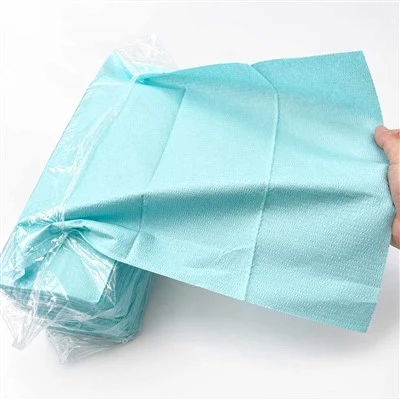
In such cases, using appropriate materials can aid in vegetation establishment. For example, Spunlace Erosion Control For Slopes can be applied to protect newly seeded areas. This material helps retain moisture in the soil, creating a favorable environment for seed germination and seedling growth. It also provides a physical barrier against raindrop impact and surface runoff, allowing young plants to develop strong root systems.
Soil Bioengineering
Soil bioengineering combines biological elements with engineering principles to control erosion. Techniques include live staking, where cuttings from woody plants are inserted into the soil and allowed to root; brush layering, which involves placing branches along contour lines to trap sediment and support vegetation growth; and coir logs, made from coconut fiber, which provide temporary protection while vegetation becomes established.
Soil bioengineering methods are environmentally friendly, blending with the natural landscape and promoting ecological succession. They are often more resilient than purely structural measures, as vegetation continues to grow and strengthen over time. However, these techniques require specialized knowledge of plant species and installation methods. They may not be suitable for extremely steep slopes or areas with high erosion rates that require immediate stabilization.
Mycorrhizal Fungi Application
Mycorrhizal fungi form symbiotic relationships with plant roots, enhancing nutrient uptake and improving soil structure. These fungi produce hyphae that extend into the soil, binding particles together and increasing soil aggregate stability. This reduces soil detachability and improves water infiltration, contributing to erosion control.
Applying mycorrhizal fungi inoculants can accelerate vegetation establishment on degraded slopes, particularly in nutrient-poor soils. The fungi also help plants withstand drought stress, increasing their survival rate in harsh environments. The effectiveness of mycorrhizal applications depends on soil conditions, plant species, and environmental factors, making it necessary to tailor inoculant formulations to specific sites. Research is ongoing to optimize application methods and assess long-term benefits.
Integrated Control Systems
Hydroseeding with Mulch
Hydroseeding involves mixing seeds, mulch, fertilizer, and water into a slurry, which is sprayed onto the slope surface. The mulch provides immediate protection against erosion, retains moisture, and creates a microclimate conducive to seed germination. Common mulch materials include straw, wood fibers, and coconut coir.
Hydroseeding is efficient for covering large and inaccessible slopes, as it can be applied using hose systems or helicopters. It allows for uniform seed distribution and rapid vegetation establishment. The choice of mulch affects the performance; some mulches decompose quickly, providing temporary protection, while others are more durable. Hydroseeding may require multiple applications on very steep slopes, and the slurry can be difficult to apply evenly in windy conditions.
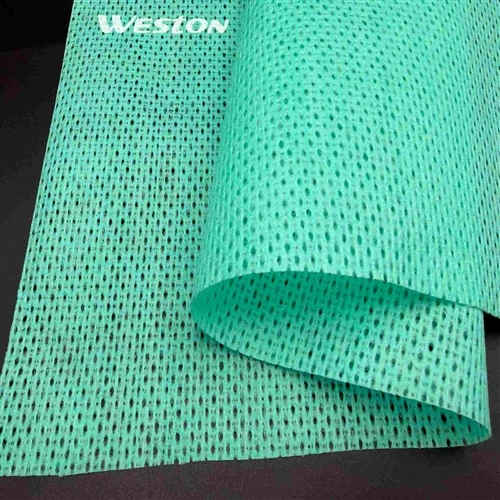
When combined with Spunlace Nonwoven Plant Frost Protection Cover, the effectiveness of hydroseeding can be enhanced in areas prone to frost. This cover protects young seedlings from freezing temperatures, ensuring their survival during early growth stages. It also helps maintain consistent soil moisture and temperature, promoting faster and more uniform plant development.
Contour Farming and Strip Cropping
Contour farming involves planting crops along the contour lines of a slope rather than up and down the slope. This creates small ridges that slow down runoff and trap sediment. Strip cropping takes this a step further, alternating strips of erosion-resistant crops (such as grasses) with cash crops. The grass strips act as barriers to runoff, reducing its erosive power.
These agricultural practices are suitable for moderately steep slopes used for farming, integrating erosion control with food production. They require minimal additional investment beyond changes in planting patterns. However, contour farming and strip cropping reduce the efficiency of mechanized farming operations, as equipment must follow contour lines rather than straight paths. They may also require adjustments to irrigation systems to prevent waterlogging in the contour ridges.
Geotextile Reinforcement
Geotextiles are permeable fabrics that are placed on the soil surface or within the soil to improve stability and control erosion. They can be woven or non-woven, with different properties depending on the intended use. Woven geotextiles provide high tensile strength, making them suitable for reinforcing soil in steep slopes, while non-woven geotextiles are effective at filtering water and preventing sediment loss.
Geotextiles can be used in combination with other measures, such as vegetation or retaining walls, to enhance their performance. They are resistant to biological degradation and can withstand harsh environmental conditions. The installation of geotextiles requires careful site preparation to ensure proper contact with the soil. Inadequate anchoring can lead to geotextile displacement, reducing their effectiveness. The cost of geotextiles varies depending on material type and size, but they often provide long-term cost savings due to their durability.
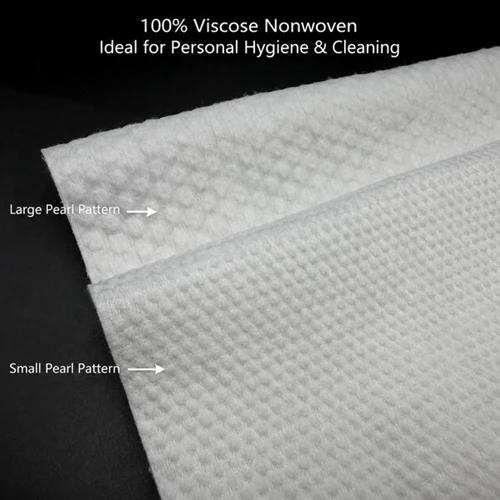
Heavy-Duty 100% Viscose Non-Woven Fabric For Road Maintenance is an example of a geotextile that can be utilized in erosion control on slopes adjacent to roads. Its high strength and durability make it suitable for stabilizing road embankments and cut slopes, preventing soil erosion that could compromise road integrity. The viscose material is biodegradable, reducing environmental impact over time while providing effective short to medium-term erosion control.

Climate Adaptation in Erosion Control
Drought-Resistant Vegetation Selection
As climate change leads to more frequent and severe droughts, selecting drought-resistant plant species for erosion control on steep slopes has become increasingly important. These species have adaptations such as deep root systems, small leaves, and waxy coatings that reduce water loss, allowing them to survive in dry conditions.
Drought-resistant vegetation maintains soil cover during extended dry periods, preventing wind erosion and reducing the impact of occasional heavy rainfall events. However, establishing these species may require initial irrigation until they are fully established. They may also have slower growth rates, requiring longer periods to achieve effective erosion control. Careful species selection is necessary to ensure they are compatible with local ecosystems and provide adequate soil stabilization.
Stormwater Management Integration
Incorporating stormwater management features into erosion control systems helps address the increased intensity of rainfall events associated with climate change. Techniques include contour drains, which redirect runoff along the slope at controlled rates; infiltration basins, which capture and store runoff to allow for gradual infiltration; and permeable pavements in adjacent areas to reduce runoff volume.
Integrating stormwater management with erosion control measures enhances overall system resilience, reducing the risk of sudden slope failure during extreme weather events. However, these features require careful design to ensure they can handle the expected runoff volume and intensity. They may also increase the complexity and cost of erosion control projects.
Monitoring and Maintenance Protocols
Regular Inspection Schedules
Establishing regular inspection schedules is crucial for ensuring the long-term effectiveness of erosion control measures. Inspections should be conducted after heavy rainfall events, as these are when erosion is most likely to occur or existing controls to fail. Key areas to check include the integrity of structural measures such as retaining walls and gabions, the condition of vegetation cover, and the presence of rills or gullies indicating active erosion.
Early detection of problems allows for timely maintenance, preventing small issues from escalating into major erosion events. Inspections should be documented, with photographs and notes on any observed changes or damage. The frequency of inspections depends on the slope steepness, erosion risk, and type of control measures implemented, ranging from monthly during the first year to quarterly in subsequent years.
Adaptive Management Strategies
Adaptive management involves adjusting erosion control measures based on monitoring data and changing environmental conditions. If vegetation cover is sparse in certain areas, additional seeding or planting may be required. For structural measures showing signs of wear, such as rusted gabion mesh or cracked retaining walls, repairs or replacements should be carried out promptly.
Adaptive management also involves revisiting the initial control strategy if erosion continues despite implemented measures. This may involve combining different techniques or modifying the design to better suit site-specific conditions. Flexibility is key, as each slope has unique characteristics that may require tailored solutions.
Technology Integration for Monitoring
Advancements in technology have improved erosion monitoring capabilities. Remote sensing techniques, such as aerial photography and satellite imagery, allow for large-scale monitoring of slope conditions, detecting changes in vegetation cover and identifying areas of active erosion. Ground-based sensors can measure soil moisture, runoff volume, and slope movement, providing real-time data for early warning systems.
Geographic Information Systems (GIS) are used to analyze and map erosion risk, helping prioritize control efforts. These technologies provide valuable insights but require specialized training to operate and interpret data. The cost of implementing technology-based monitoring systems can be high, but they offer long-term benefits in terms of improved decision-making and more effective erosion control.
For those interested in exploring erosion control solutions further, free samples of relevant products are available. To request samples, please contact info@westonmanufacturing.com. This allows for practical evaluation of how these products can integrate into existing or planned erosion control strategies on steep slopes.
Future Directions in Slope Erosion Control
Innovation in Material Science
The development of new materials holds promise for improving erosion control effectiveness. Biodegradable geotextiles made from renewable resources, such as jute or hemp, are being researched as alternatives to synthetic materials, reducing environmental impact. Self-healing materials that can repair small cracks or damages autonomously could increase the durability of structural measures.
Nanotechnology applications, such as the use of nanoparticles to enhance soil cohesion or improve water retention, are also being explored. These innovations have the potential to provide more efficient and sustainable erosion control solutions, but further research is needed to assess their long-term performance and environmental safety.
Precision Agriculture Techniques
Precision agriculture, which uses technology to tailor farming practices to specific site conditions, is being adapted for erosion control on agricultural slopes. Variable rate irrigation systems deliver water precisely where needed, reducing runoff. Soil mapping using sensors and drones allows for targeted application of soil amendments and vegetation establishment, optimizing resource use.
These techniques maximize the effectiveness of erosion control measures while minimizing costs and environmental impact. As precision agriculture technology becomes more accessible, it is expected to play a greater role in integrated slope management.
Community Engagement and Education
Community involvement is crucial for the success of long-term erosion control efforts. Local communities have valuable knowledge of local conditions and traditional practices that can complement scientific approaches. Education programs can raise awareness about the importance of erosion control and teach sustainable land management practices.
Participatory approaches, where community members are involved in planning, implementation, and maintenance of erosion control projects, increase ownership and ensure the sustainability of measures. This is particularly important in rural areas where livelihoods depend on natural resources and steep slopes are commonly used for agriculture or grazing.