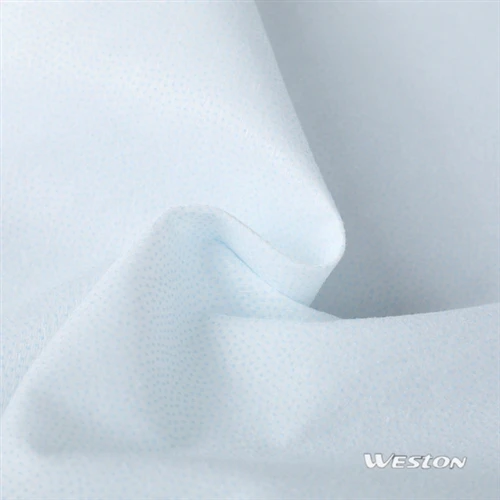
What is Meltblown Fabric? The Invisible Maze That Guards Your World
Take a deep breath. Wipe a surface clean. Reach for a fresh bandage. In these everyday moments, you're interacting with an engineering marvel most people never see. This isn't magic-it's material science, and the star player is often a material called meltblown fabric. Let's pull back the curtain on this quiet powerhouse.
The "Blown" in Meltblown: A High-Speed Manufacturing Ballet
The name is a perfect, literal clue. The process is all about melting polymer and then blowing it into a web.
Think of it like this: imagine a super-precise hot glue gun shooting out molten plastic, while a powerful, ultra-hot hair dryer blasts the stream. This forceful blast stretches the molten plastic into incredibly fine, microscopic threads. These threads are then randomly scattered onto a moving conveyor belt, where they tumble and entangle with each other, bonding as they cool into a soft, cloth-like sheet.
This high-speed ballet happens in a continuous line:
Feed: Tiny plastic pellets (most commonly polypropylene) are fed into an extruder.
Melt & Extrude: They are melted into a thick, viscous liquid and forced through a plate lined with hundreds of tiny nozzles.
Attenuate (The Key Step): As the polymer threads emerge, they are immediately hit with a high-velocity stream of hot air. This "blows" and stretches them, thinning them dramatically.
Web Formation: The ultrafine fibers land in a chaotic, random pattern on a collecting screen, creating a self-bonded, nonwoven web.
This unique process is what gives meltblown its superpower: a dense, complex 3D maze of microfibers, not a simple woven fabric with straight threads and gaps.

The Superpower: It's an Obstacle Course, Not a Fence
A common misconception is that meltblown works like a sieve, blocking particles bigger than its holes. The reality is far more clever and effective.
Think of it as a dense, multi-layered forest for microscopic particles to travel through. Filtration happens through several mechanisms:
Straightforward Blocking: Large particles simply get physically stuck at the entrance.
Crash & Capture: Mid-sized particles, carried by the air stream, can't follow the twisting paths around fibers and crash directly into them (Inertial Impaction).
The Brush & Snag: Some particles, following the airflow, come just close enough to a fiber to brush against and snag on it (Interception).
The Secret Weapon – Electrostatic Charge: This is the game-changer. The fibers can be given a permanent electrostatic charge during production. Think of it like static cling on a grand scale. This turns each fiber into a weak magnet, actively attracting and trapping the tiniest particles (like viruses, aerosols, and fine dust) from a distance. This allows for exceptional filtration efficiency while maintaining relative breathability-a critical balance.
The Flip Side: Understanding Its Limits
No material is perfect, and understanding meltblown's boundaries is part of the science.
|
The Advantages |
The Considerations |
|
Superior Filtration: Unmatched capture of fine particles, especially when electrostatically charged. |
Durable, Not Indestructible: The fine web can tear or degrade with rough physical handling. |
|
High Surface Area: The maze-like structure creates vast area for capture and interaction. |
Hydrophobic Nature: Standard polypropylene meltblown resists water, which is great for masks (keeping you dry) but means it doesn't absorb liquids well on its own. For wipes, it needs to be combined with other materials. |
|
Lightweight & Breathable: Achieves high protection without feeling like you're breathing through plastic. |
Charge Dependency: The electrostatic charge can be diminished by humidity, liquid splash, or improper storage, affecting filtration over time. |
|
Consistency & Purity: Made in a controlled, automated process, resulting in a clean, uniform product. |
A Single Player: It's rarely used alone. Its brilliance shines in multi-layer composites, where it's paired with stronger spunbond layers for structure. |
Where You Meet This Hidden Hero
Its most famous role is as the critical middle layer in surgical masks and N95 respirators, where it acts as the primary filter. But its work is everywhere:
In Hygiene: As a fluid acquisition or distribution layer in baby diapers and feminine care products.
In Healthcare: In sterile packaging, surgical drapes, and advanced wound dressings.
In Your Home: In HVAC filters, coffee pods, and even as insulation in some apparel.
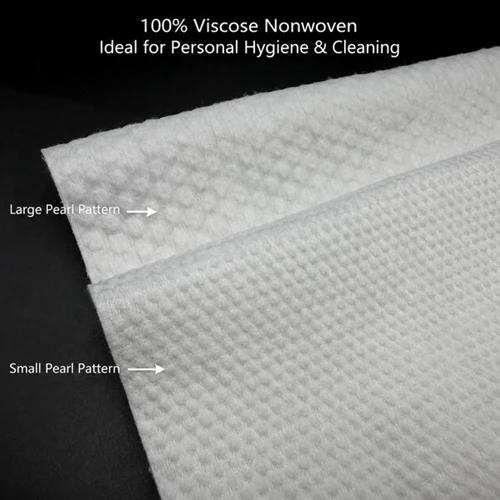
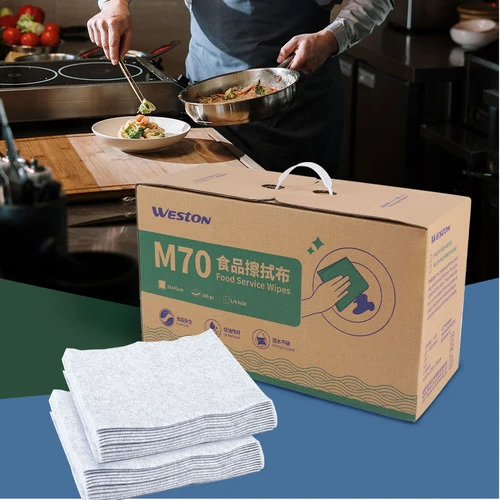
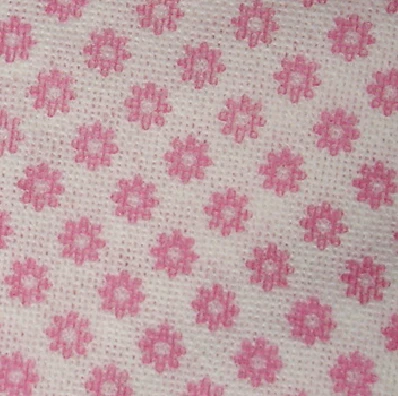
In Specialized Wipes: For demanding tasks, specific grades of Meltblown Nonwoven for Disposable Wet Wipes can be engineered to combine fine particle capture with controlled fluid release, useful in industrial or high-end cosmetic settings.
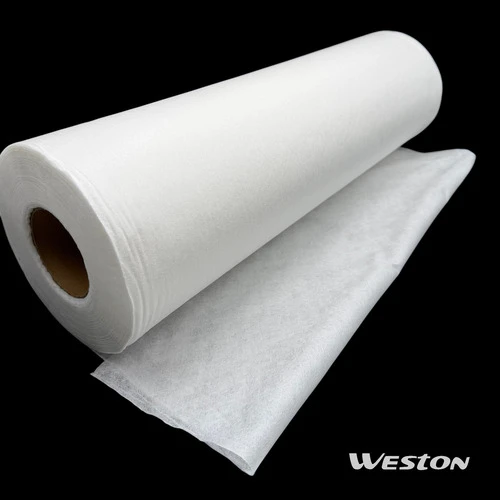
The performance all comes down to precise engineering-controlling the fiber diameter, web density, and electrostatic properties. This is where expertise from specialized manufacturers makes all the difference. For instance, a producer like Weston Nonwoven focuses on tailoring these variables, whether for high-efficiency Meltblown Filter Media Material or for specialized layered wipe substrates, ensuring the material performs its specific job reliably.

The Fabric of Modern Life
From enabling a deep breath in a shared space to ensuring the sterility of a medical instrument, meltblown fabric is a testament to a simple idea: solving big problems at the microscopic level. It represents a shift in thinking from "what a material is" to "what we can engineer it to do." It's the quiet, intricate maze working tirelessly in the background, guarding our health and enabling countless modern conveniences.
Curious to feel and test this engineered material for your own project? Weston Nonwoven offers free samples of their specialized meltblown media. Reach out to explore its potential.