The Secrets Behind Chinese Cleaning Cloths
A Chinese cleaning cloth has a simple name: mábù , literally "wipe cloth." But behind this ordinary word is a whole family of modern materials and structures that quietly changed how kitchens, factories, and food plants stay clean. When people ask, "What is a Chinese cleaning cloth called?", the more useful question is actually, "What kind of cloth is it, and how does it work?"
From "mábù" to Modern Cleaning Tools
In daily life, Chinese people use different names depending on where the cloth works. A cloth for washing dishes is a "xǐwǎn bù", a cloth for wiping tables is still a mábù, and industrial workshops use heavier "cleaning rags" or industrial cleaning cloths. English labels add another layer: microfiber cloths, nonwoven wipes, industrial wipes, kitchen wipes. So, a "Chinese cleaning cloth" in global trade is usually:
A microfiber cleaning cloth
A spunlace nonwoven cleaning wipe
A traditional cotton or blended cloth
The interesting part is that Chinese factories, especially spunlace nonwoven producers, now supply a large share of these cloths for both home and industrial use.

Why Modern Cleaning Cloths Work So Well
Older cleaning cloths were woven from cotton. They absorb some water, but the fibers are relatively thick and smooth, so dirt and oils tend to smear across the surface instead of being trapped. Modern Chinese cleaning cloths use two main scientific tricks:
Microfiber technology: Fibers are made extremely thin-about 1/100 the diameter of a human hair-and then split into many tiny filaments.
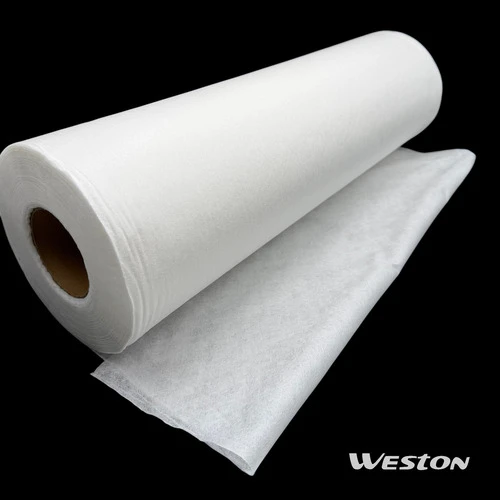
Nonwoven (spunlace) technology: Loose fibers (often wood pulp plus polyester) are tangled together by high-pressure water jets, forming a fabric without weaving.
Both approaches create far more surface area and many more "nooks and crannies" to grab water, oils, and microscopic particles. That is why good microfiber cleaning cloths can absorb up to seven times their own weight in water and remove a high percentage of bacteria using only water.
Microfiber: The "Magnet" Type Chinese Cleaning Cloth
When you see "streak-free microfiber cleaning cloths" or "Streak-Free Cleaning Cloths" on a package, you are usually looking at split microfiber designed to act like a dirt magnet. The science is straightforward:
Fibers are split during manufacturing, forming star-shaped cross sections with many tiny channels.
These fibers carry mixed charges and develop van der Waals forces that attract fine dust and some microbes.
The huge number of filaments per square inch increases contact points with the surface.
Because of this, microfiber Streak-Free Cleaning Cloths work especially well on glass, stainless steel, and glossy kitchen surfaces where lint and streaks are unacceptable. They are also durable: studies show that high-quality microfiber can maintain good performance after hundreds of wash cycles when cared for properly.
Spunlace Nonwoven: The "Workhorse" Chinese Cleaning Cloth
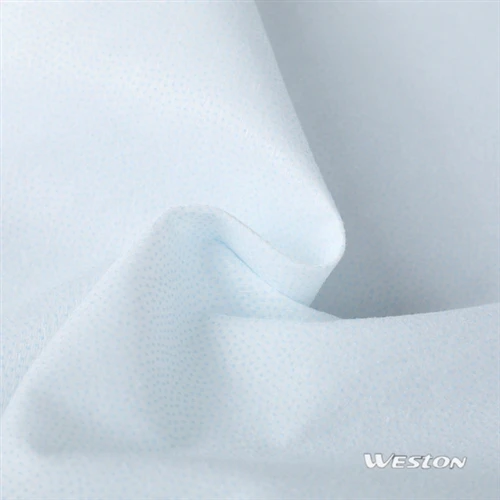
Spunlace nonwoven cloth looks simpler but is highly engineered. A web of fibers-often a mix of cellulose (wood pulp) and polyester-is hit with fine, high-pressure water jets. These jets:
Push fibers around until they entangle at many points
Build strength without chemical binders
Create a fabric that remains strong even when soaked
The result is a cloth that feels like soft fabric but is made without weaving or knitting. Because wood pulp is naturally absorbent, a 50/50 pulp-polyester spunlace cloth can take up liquid quickly and release it easily when wrung out-ideal for Multi-Surface Kitchen Cleaning Wipes that deal with spills, sauces, and oil splashes.
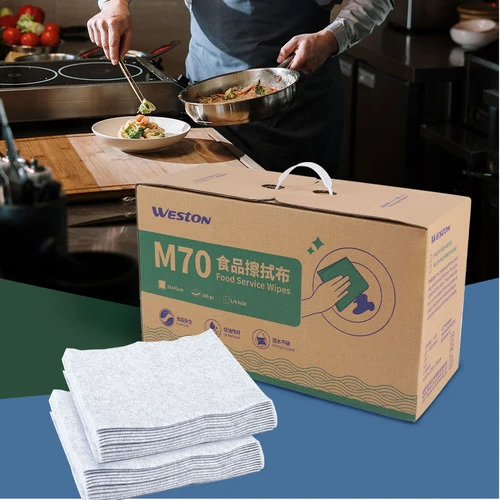
In food areas, spunlace nonwoven wipes can be engineered as Food Safe Cleaning Wipes, using food-contact-safe additives or no added chemicals, low lint, and controlled particle shedding, which are key requirements in food processing and professional kitchens.
Different Cleaning Cloth Types at a Glance
|
Cloth Type |
Structure & Material |
Strengths for Cleaning |
|
Microfiber Cleaning Cloth |
Split polyester/polyamide filament fabric |
High absorbency, strong dust and bacteria removal, ideal for streak-free surfaces |
|
Spunlace Nonwoven Cleaning Cloth |
Hydroentangled wood pulp + synthetic fibers |
Fast liquid uptake, good wet strength, suitable for kitchen and industrial wiping |
|
Traditional Cotton Cloth |
Woven cotton yarns |
Soft, cheap, familiar, but lower performance in fine dust and bacteria removal |
|
Grey Color Industrial Cleaning Cloth |
Usually heavier spunlace or nonwoven blends in grey tone |
Handles grease, inks, oils in workshops; color hides soiling during repeated use |
Data on microfiber absorbency, bacteria removal, and spunlace properties come from textile and cleaning science studies.

Why Color and Surface Design Matter
Color is not just marketing. In industrial settings, a Grey Color Industrial Cleaning Cloth hides stains from grease and inks, helping workers use each cloth to the end of its useful life without constant visual rejection. Color-coding also separates food areas from mechanical areas. In kitchens, surface texture is tailored:
Smooth or low-pile microfiber for Streak-Free Cleaning Cloths on glass and chrome.
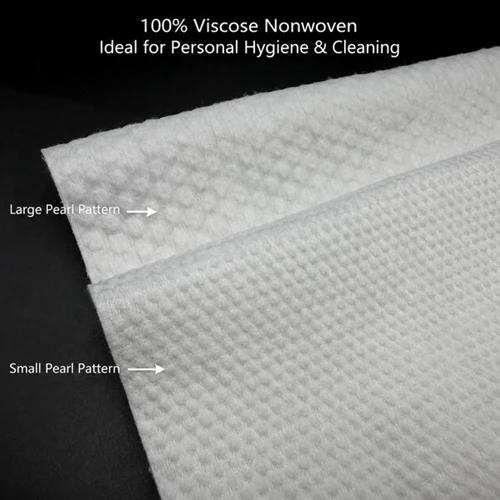
Light embossed or mesh structures in Multi-Surface Kitchen Cleaning Wipes to lift food residues mechanically.
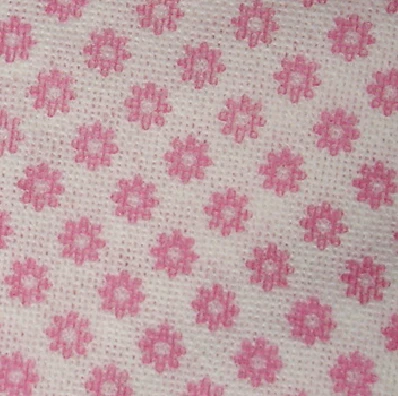
Spunlace lines can change embossing patterns, GSM (grams per square meter), and fiber ratios to fine-tune how aggressive or gentle the cloth feels.
Hygiene and "Food Safe" Claims
For Food Safe Cleaning Wipes, the key is not a mysterious coating but control and verification:
Low lint to avoid fibers in food zones.
Compatibility with common food-grade disinfectants and sanitizers.
Manufacturing under systems that control bioburden and chemical residues.
Microfiber and high-quality nonwovens can reduce bacteria on surfaces very efficiently, sometimes above 90–99% in controlled tests when used with water or approved cleaners, which explains why hospitals and food plants increasingly prefer reusable and disposable technical cloths over old rags.

Where Weston Nonwoven Fits into This Picture
A spunlace nonwoven factory like Weston Nonwoven sits right in the middle of this quiet cleaning revolution. By running water-jet lines and fiber blends optimized for wiping, such a plant can supply:
Grey Color Industrial Cleaning Cloth for machine shops and factories
Food Safe Cleaning Wipes for food processing and catering environments
Multi-Surface Kitchen Cleaning Wipes for household and horeca kitchens
Streak-Free Cleaning Cloths using fine microfiber-like structures or specialized spunlace for glass and stainless steel
These products build on the same scientific principles described above-fiber fineness, surface area, and hydroentanglement-rather than marketing slogans.
How to Choose "The Right Chinese Cleaning Cloth" in Practice
When someone asks what a Chinese cleaning cloth is called, the real value is knowing how to pick the right one:
For glass, mirrors, and polished steel: look for Streak-Free Cleaning Cloths with fine, dense surfaces.
For daily kitchen tasks: Multi-Surface Kitchen Cleaning Wipes made from spunlace handle both water-based and oily messes efficiently.
For food contact zones: wipes clearly marked as Food Safe Cleaning Wipes reduce risk from lint, residues, and cross-contamination.
For workshops and maintenance: a Grey Color Industrial Cleaning Cloth offers strength and visual control over soiling.
Under the simple word "mábù", today's Chinese cleaning cloths combine physics, materials science, and large-scale nonwoven production. Understanding that structure makes the name far less important than what the cloth is actually engineered to do on your surfaces.