Cross lapping is a fundamental technique employed in the nonwoven fabric industry, particularly significant in the production of high-quality materials. This method involves the layering of fiber webs in a crisscross pattern, leading to enhanced fabric properties and performance. Understanding cross lapping requires delving into its mechanism, advantages, disadvantages, and its applications in various industries, including automotive, healthcare, and consumer goods.
Mechanism of Cross Lapping
Cross lapping is executed through a series of processes that begin with the carding of fibers. The carding machine separates and aligns the fibers, creating a web. This web is then transported to a cross lapping machine, where it is laid down in a layered fashion, alternating the direction of each layer. This crisscross arrangement not only increases the density of the fabric but also contributes to its structural integrity and durability.
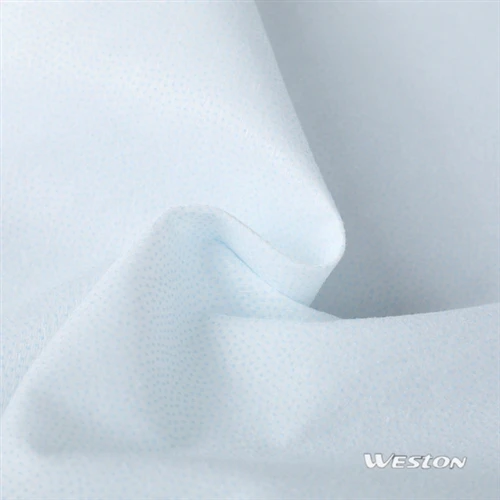
The process is highly versatile, accommodating various fiber types, including synthetic materials and natural fibers. The choice of fibers can significantly influence the end product's characteristics, such as softness, absorbency, and strength. For instance, the use of 100% Viscose Spunlace Wipes Substrate offers outstanding absorbency and softness, making it ideal for personal care applications.

Advantages of Cross Lapping
Improved Fabric Strength
One of the primary benefits of cross lapping is that it enhances the strength of the fabric. The interlocking nature of the fibers in a crisscross pattern provides better resistance to tearing and stretching. This is particularly advantageous in applications requiring durability, such as industrial wipes and heavy-duty cleaning products.
Versatility in Applications
Cross lapping allows for a wide range of applications across different sectors. The technique can produce various fabric types suitable for automotive uses, such as Microfiber Towels For Cars, which are known for their exceptional cleaning abilities without scratching surfaces. Additionally, the cross lapping method can facilitate the production of products like Biodegradable Lyocell Cleansing Pads, catering to the growing demand for sustainable and eco-friendly alternatives.
Enhanced Absorbency and Softness
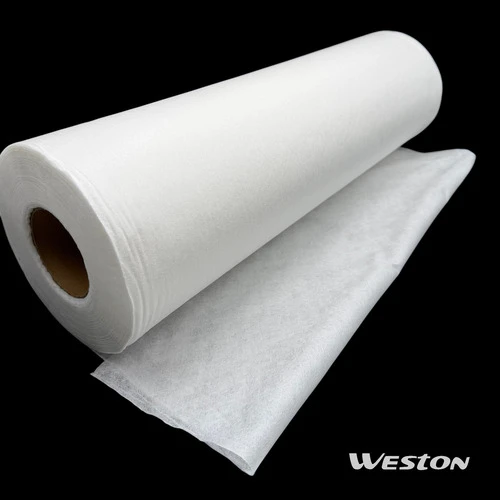
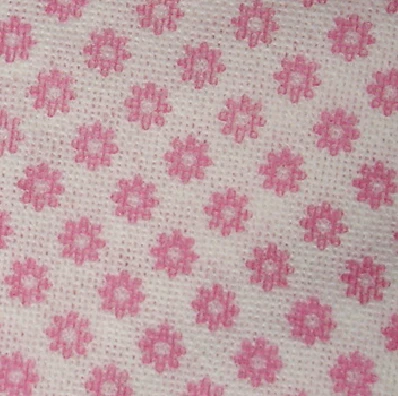
The layered structure of cross-lapped fabrics contributes to their absorbency and softness. This is especially critical in personal care and hygiene products. For example, the 16 Mesh Viscose Polyester Spunlace Nonwoven Roll is designed for applications where a balance between absorbency and softness is crucial, making it an excellent choice for medical and cosmetic products.
Cost-Effectiveness
From a manufacturing standpoint, cross lapping can be cost-effective. The efficiency of the process allows for high production rates while maintaining quality. Manufacturers can produce large quantities of nonwoven fabrics with consistent properties, leading to reduced waste and optimized resource utilization.
Disadvantages of Cross Lapping
Complexity of Process
While cross lapping offers numerous advantages, the process can be complex. The machinery required for cross lapping is often intricate and may require skilled operators to ensure optimal functioning. This complexity can lead to higher initial investment costs for manufacturers.
Limited Fiber Compatibility
Not all fiber types are suitable for cross lapping. Certain fibers may not interlock effectively, which can compromise the fabric's strength and performance. Manufacturers must carefully select fibers to ensure compatibility with the cross lapping process, limiting the options available.
Potential for Variability
The nature of the cross lapping process can introduce variability in the final product. Factors such as fiber type, machine settings, and environmental conditions can all influence the outcome. This variability can pose challenges for manufacturers aiming for consistent quality across batches.
Applications of Cross Lapping
Cross lapping is utilized in various industries, showcasing its adaptability and effectiveness. In the automotive sector, Microfiber Towels For Cars are produced using this method, providing an efficient solution for car detailing and cleaning. The softness and absorbency of these towels make them perfect for delicate surfaces.
In healthcare, cross-lapped nonwoven fabrics are used for products like Biodegradable Lyocell Cleansing Pads. These pads are designed for single-use applications, promoting hygiene and convenience. The biodegradable aspect aligns with the industry's increasing focus on sustainability.
Moreover, cross lapping plays a vital role in the production of 100% Viscose Spunlace Wipes Substrate, commonly used in personal care items. The combination of softness and absorbency makes these wipes popular for various applications, from baby care to cosmetic removal.

The Future of Cross Lapping
As industries evolve, the demand for innovative and sustainable materials will undoubtedly shape the future of cross lapping. The method's ability to produce high-quality, durable fabrics makes it a valuable technique in a variety of applications.
Furthermore, with the growing emphasis on sustainability, products like Biodegradable Lyocell Cleansing Pads and 100% Viscose Spunlace Wipes Substrate are poised to gain more traction in the market, aligning with consumer preferences for eco-friendly options.
Weston Manufacturing, with its commitment to quality, offers a range of products that exemplify the benefits of cross lapping. Whether it's the absorbent Microfiber Towels For Cars or the versatile 16 Mesh Viscose Polyester Spunlace Nonwoven Roll, Weston's offerings highlight the versatility and effectiveness of cross-lapped fabrics.
For those interested in exploring these innovative products, free samples are available through Weston Manufacturing. Contact them at info@westonmanufacturing.com to learn more about their offerings and how they can meet your needs.
The cross lapping technique stands as a testament to the advancements in nonwoven fabric technology. Its ability to improve fabric performance while catering to diverse applications ensures its relevance in the industry for years to come. As manufacturers continue to innovate and adapt, the future of cross lapping looks promising, paving the way for new materials and applications.