The Inherent Flame Retardancy of 100% Polyester: Chemical Fundamentals
To determine whether 100% polyester fabric is fire retardant, we must first examine its molecular structure. 100% polyester is a synthetic fiber made from polyethylene terephthalate (PET) monomers, characterized by a large number of ester bonds (-COO-). This chemical structure influences its combustion behavior:
Under high-temperature conditions (above 250°C), the ester bonds in PET begin to break down, a process known as thermal decomposition. This results in the release of small-molecule gases such as carbon monoxide, acetaldehyde, and terephthalic acid vapor-substances that are flammable and can fuel flame propagation. The limiting oxygen index (LOI) of pure 100% polyester fabric typically ranges from 20% to 22%. Since the oxygen content in air is about 21%, pure polyester fabric will continue to burn in air, indicating it is not inherently fire-retardant.
Another notable characteristic of polyester during combustion is molten dripping. As the fabric heats, it melts into a viscous liquid that drips away from the flame source. This behavior has a dual effect: it can carry away heat and temporarily reduce burning intensity, but the high-temperature molten droplets may ignite other combustible materials (like carpets or sofas) below, expanding the fire risk. This inherent "double-edged sword" property limits the application of pure polyester in high fire safety environments.

Enhancing Flame Retardancy: Modification Technologies for Polyester Fabric
While 100% polyester lacks inherent flame retardancy, industrial technology can significantly enhance its fire resistance through targeted modification. These technologies focus on inhibiting the three core stages of combustion (thermal decomposition, flame ignition, and flame propagation) and can be categorized into three main types:
2.1 Reactive Flame Retardant Modification
This technique involves introducing flame-retardant functional groups (such as phosphorus, nitrogen, or bromine-containing groups) into the PET molecular chain during polymerization. These groups chemically bond with the molecular chain, making the flame retardant "permanently integrated" into the fiber. For instance, adding phosphorus-containing monomers (like diethyl phosphite) during polymerization causes the decomposed products to form a dense carbon layer on the fiber surface when heated. This layer acts as a physical barrier, blocking the exchange of oxygen and heat, thereby suppressing combustion.
The advantage of reactive modification is its excellent washing resistance-the flame retardancy remains effective even after multiple washes. However, this technology requires precise control over the polymerization process, as excessive flame-retardant monomers can affect the mechanical properties of polyester fibers (like tensile strength).
2.2 Additive Flame Retardant Modification
In this method, flame retardants (such as aluminum hydroxide, magnesium hydroxide, or organic bromides) are mixed into polyester melts during spinning or applied to the fabric surface through post-finishing processes (like padding and coating). Unlike reactive modification, additive flame retardants do not form chemical bonds with the fiber and exist as particles or films. When the fabric burns, the flame retardants decompose to absorb heat or release inert gases to dilute flammable gases, inhibiting flame propagation.
This approach is cost-effective and straightforward but has the limitation of poor washing resistance-additive flame retardants can be washed away, leading to a gradual decline in flame retardancy. Additionally, excessive inorganic flame retardants may make the fabric feel hard and reduce comfort.
2.3 Nanocomposite Flame Retardant Modification
Nanocomposite flame retardancy combines nanomaterials (like nano-montmorillonite or nano-zinc oxide) with polyester fibers. Due to their large specific surface area, nanomaterials can form a "labyrinth-like" barrier structure in the fiber. When heated, this structure slows the diffusion of heat and flammable gases, while the nanomaterials can catalyze the formation of a compact carbon layer.
The major benefit of this technology is achieving excellent flame retardancy with a small amount of flame retardants (typically 2%-5% of nanomaterials), thus avoiding the issues of excessive additive addition affecting fabric performance. For example, adding nano-montmorillonite to polyester can increase the LOI value to over 28% (the threshold for fire-retardant materials) while maintaining the fabric's original softness and strength.
Practical Evaluation: Standards and Trade-offs of Flame-Retardant Polyester
To accurately assess whether 100% polyester fabric possesses practical flame retardancy, we must rely on standardized testing methods and recognize the trade-offs between flame retardancy and other performance indicators.
3.1 Core Evaluation Standards
The most commonly used standard for evaluating fabric flame retardancy is the limiting oxygen index (LOI) test: a fabric with an LOI ≥ 28% is classified as fire-retardant, while pure polyester has an LOI of only 20%-22%, placing it in the "combustible" category. Additionally, vertical combustion tests (like the US UL 94 standard and China's GB/T 5455 standard) assess burning time, dripping behavior, and whether the flame self-extinguishes once the fabric is ignited. In the UL 94 V-0 test, the fabric must self-extinguish within 10 seconds after flame removal, without molten droplets igniting cotton below-this necessitates strict flame retardant modification for 100% polyester to meet these requirements.
An often-overlooked indicator is the release of smoke and toxic gases during combustion. In real fires, over 80% of casualties result from toxic gases (like carbon monoxide and hydrogen cyanide) and thick smoke, rather than direct burning. Traditional brominated flame retardants may release toxic brominated dioxins when burned, whereas phosphorus-nitrogen flame retardants (a type of halogen-free flame retardant) yield lower smoke and toxic gas emissions, aligning better with environmental protection standards.
3.2 Trade-offs in Performance
Enhancing the flame retardancy of 100% polyester fabric often incurs costs in other properties, a critical consideration for practical applications:
Comfort vs. Flame Retardancy: Additive flame retardants (especially inorganic) may render the fabric rough and reduce breathability; reactive modification impacts comfort less but is generally pricier.
Durability vs. Flame Retardancy: Additive-modified fabrics lose flame retardancy after several washes, while reactive-modified fabrics exhibit better durability but necessitate more complex maintenance (e.g., avoiding high-temperature ironing that could damage the carbon layer).
Environmental Protection vs. Flame Retardancy: Halogenated flame retardants offer excellent flame retardancy but may pollute the environment during production and combustion. In contrast, halogen-free flame retardants are more eco-friendly but often come with higher costs and potentially lower flame retardancy efficiency.

Application-Oriented Innovations: Flame-Retardant Polyester in Daily and Industrial Scenarios
The flame retardancy of 100% polyester fabric is not a "one-size-fits-all" feature; it must be matched with specific application scenarios to maximize its value. For instance, household textiles (like curtains and sofas) require both flame retardancy and comfort, while industrial protective clothing demands high flame retardancy and wear resistance.
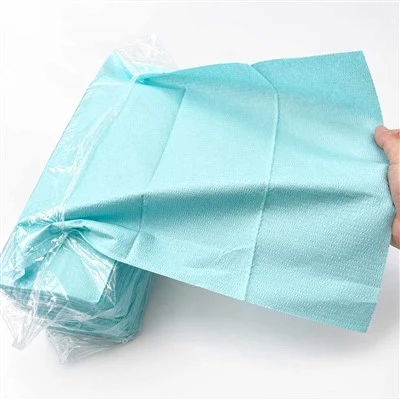
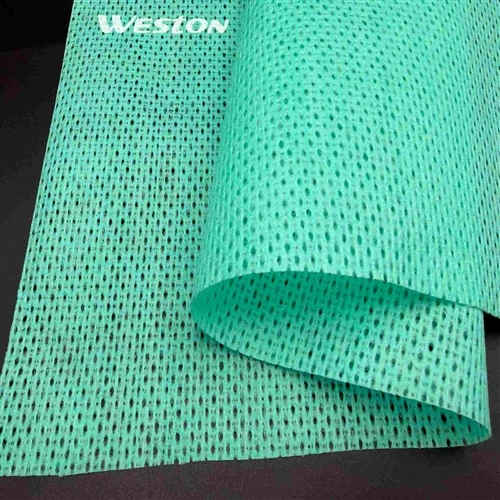
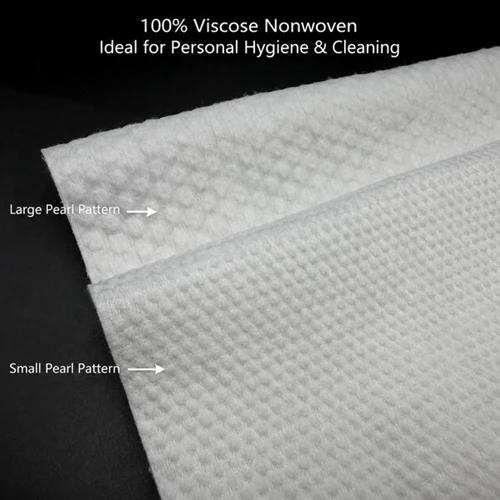
In the realm of daily cleaning products, the demand for "flame retardancy + functional integration" is on the rise. For example, wet wipes and floor wipes may encounter high-temperature surfaces (like stoves) during use, necessitating fabrics with sufficient thermal stability. Weston Manufacturing has developed 100% Polyester Spunlace for Wet Wipes using spunlace technology: the interlaced fiber structure ensures softness and water absorption while optimizing the thermal decomposition temperature of polyester fiber to minimize ignition risk when in contact with low-temperature heat sources. For floor cleaning, its 100% Polyester Static Embossed Spunlace Floor Wipes utilize static embossing technology to enhance dirt removal and employ a low-dose phosphorus-nitrogen flame retardant modification process to prevent flame propagation when exposed to open flames (like cigarette butts).
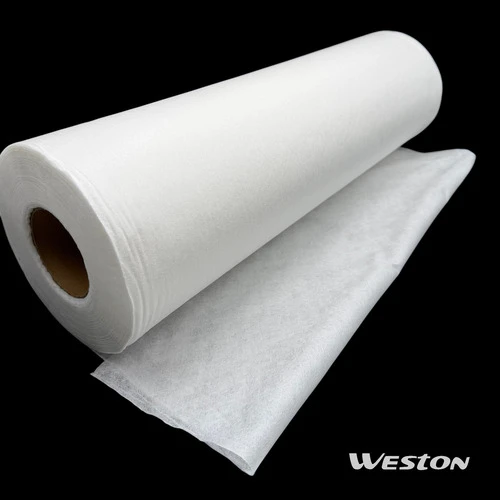
For scenarios demanding higher flame retardancy (such as industrial workshop partitions or firefighting protective covers), Weston Manufacturing's Fire Proof Nonwoven Fabric employs reactive phosphorus-nitrogen flame retardant modification, achieving an LOI value exceeding 32% and complying with UL 94 V-0 level standards. This fabric not only boasts excellent flame retardancy but also retains good tensile strength and water resistance. Moreover, the Water-Resistant Spunlace Fabric Wholesale series combines water resistance and flame retardancy, making it suitable for outdoor temporary shelters and construction site moisture-proof covers, addressing both water and fire risks.
If you wish to learn more about the flame retardant performance parameters of these products or request free samples, please contact Weston Manufacturing via email at info@westonmanufacturing.com.
The Essence of 100% Polyester Flame Retardancy: A Balance Between Science and Application
In summary, 100% polyester fabric does not possess inherent flame retardancy, but through chemical modification (reactive and additive) and advanced material technology (nanocomposites), it can achieve reliable flame retardant performance that meets various standards. The key to assessing its flame retardancy lies not in the "100% polyester" label itself, but in the modification process, testing standards, and suitability for specific application scenarios. Whether for household textiles seeking comfort and environmental protection or industrial materials requiring high flame retardancy, the flame retardant modification of 100% polyester fabric represents a balance of multiple performance indicators through scientific means-this balance is the core direction for ongoing innovation in flame retardant textile technology.