Wood pulp-based fabrics represent one of the most significant innovations in sustainable textiles, merging environmental responsibility with advanced material science. These cellulose-based materials, derived from renewable wood sources, are transforming multiple industries through their unique properties and manufacturing processes.
The Scientific Process of Transforming Wood into Fabric
The conversion of wood pulp into textile fibers involves sophisticated chemical and mechanical processes that extract and regenerate cellulose polymers. Cellulose, comprising linear chains of β-glucose monomers, forms the structural framework of plant cell walls. The manufacturing process begins with wood chips from sustainably managed forests, primarily using fast-growing species like eucalyptus, bamboo, and spruce.
Two dominant technologies govern this transformation: the conventional viscose process and the more sustainable solvent spinning technique. The viscose method involves treating wood pulp with sodium hydroxide and carbon disulfide to create a viscous solution that's extruded through spinnerets into an acid bath, regenerating cellulose fibers. In contrast, the modern solvent approach utilizes eco-friendly N-Methylmorpholine N-oxide (NMMO) to directly dissolve cellulose without chemical derivatization, enabling nearly complete solvent recovery in closed-loop systems.
The molecular architecture of cellulose provides these fabrics with exceptional characteristics. During fiber formation, the alignment of cellulose chains and control of crystalline regions allow manufacturers to engineer specific properties-from strength and absorbency to texture and drape-by adjusting processing parameters like spin speed, coagulation conditions, and draw ratios.
Key Characteristics and Properties
Wood pulp-derived fabrics exhibit a remarkable combination of performance attributes that make them valuable across multiple applications:
Moisture Management: The hydroxyl-rich molecular structure of cellulose creates exceptional hydrophilic properties, with absorption capacity often exceeding 100% of the fabric's dry weight. This superior moisture management makes these fabrics ideal for activewear, hygiene products, and medical applications where liquid handling is crucial.
Breathability and Thermal Regulation: The natural porous structure of cellulose fibers enables excellent air permeability and moisture vapor transmission. This creates a cooling effect in warm conditions and insulation in cooler environments, providing superior comfort across varying climatic conditions.
Strength and Durability: Despite their plant origin, properly engineered wood pulp fibers demonstrate impressive mechanical properties. The tensile strength of modern lyocell fibers, for instance, rivals that of many synthetic alternatives while maintaining natural comfort characteristics.
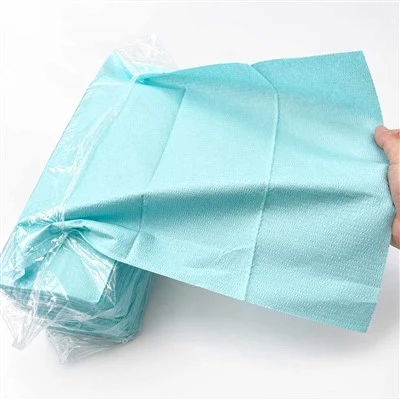
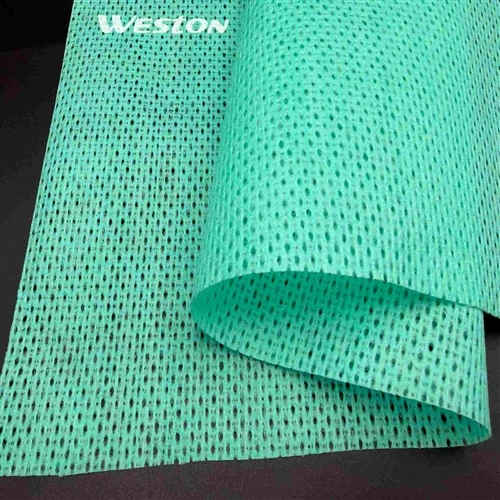
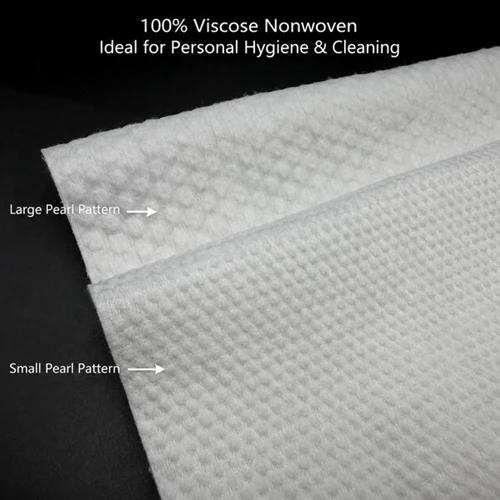
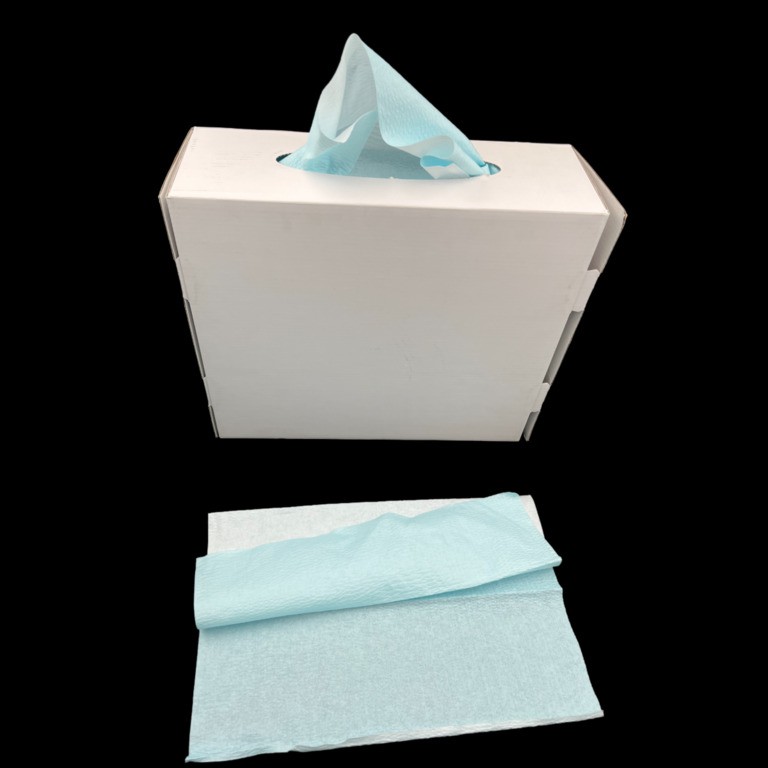
Dyeability and Aesthetic Qualities: The accessible molecular structure of regenerated cellulose allows for excellent dye uptake with vibrant color results. Manufacturers can control fiber luster from bright to matte finishes, while texture can range from silk-like smoothness to the distinctive appearance of Turquoise Bark-Like Texture Crinkled Spunlace.
Biocompatibility and Safety: As natural cellulose, these fibers are inherently hypoallergenic and skin-friendly, making them suitable for medical textiles, baby products, and sensitive skin applications.

Environmental Impact and Sustainability Considerations
The ecological profile of wood pulp textiles presents both significant advantages and challenges that require careful management:
Renewable Resource Foundation: Unlike petroleum-based synthetics, wood pulp fibers originate from rapidly renewable biomass that sequesters carbon during growth. Sustainable forestry practices, including certification systems and responsible harvesting, ensure continuous raw material supply without ecosystem degradation.
Production Method Impacts: The environmental footprint varies significantly between manufacturing processes. Traditional viscose production has faced criticism concerning chemical usage and emissions, particularly carbon disulfide. Modern facilities address these concerns through closed-loop manufacturing that captures and recycles process chemicals, reducing environmental releases by over 95%.
End-of-Life Considerations: A decisive advantage of wood pulp-based textiles is their complete biodegradability in appropriate conditions. Unlike synthetic fibers that persist in ecosystems for centuries, cellulose fibers safely reintegrate into natural biological cycles within months under composting conditions.
Water and Energy Footprint: While wood pulp textile production requires significant water inputs, advanced facilities implement comprehensive water recycling systems achieving recovery rates exceeding 90%. Energy consumption varies by process, with newer solvent methods typically demonstrating better energy efficiency than conventional approaches.
Land Use and Biodiversity: Sustainable sourcing must address potential impacts on land use and forest biodiversity. Leading manufacturers implement rigorous chain-of-custody systems to ensure raw materials originate from responsibly managed forests that protect ecosystem integrity.
Diverse Applications in Modern Textiles
Wood pulp-based fabrics have expanded beyond traditional applications to infiltrate numerous sectors with specialized requirements:
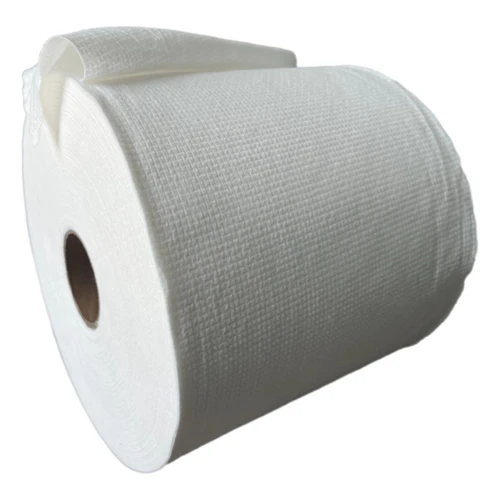
Technical and Nonwoven Applications: The adaptability of wood pulp fibers makes them invaluable in specialized sectors requiring precise performance characteristics. Weston Nonwoven's Hydrophilic SMS Nonwoven Fabric exemplifies how wood pulp-based materials can be engineered for specific fluid management requirements in medical and hygiene products. Similarly, their Bamboo Lyocell Nonwoven Jumbo Roll demonstrates the scalability of sustainable wood pulp solutions in industrial contexts requiring consistent material properties.
Fashion and Apparel: The excellent drape, moisture management, and comfort properties make these fabrics ideal for diverse clothing applications. Designers utilize their versatility to create everything from lightweight sheer fabrics to substantial structured garments, with texture variations including the distinctive Turquoise Bark-Like Texture Crinkled Spunlace for fashion-forward applications.
Home Textiles and Interior Applications: The absorbency and softness of wood pulp fibers make them excellent for bath textiles, bed linens, and decorative fabrics. Their ability to blend seamlessly with other fibers allows manufacturers to create hybrid fabrics that maximize performance benefits for specific applications.
Specialized Industrial Products: The versatility of wood pulp fibers enables innovative applications such as Weston Nonwoven's Soft Multi-Color Microfiber Rags that demonstrate the potential for colorfast wood pulp fabrics in specialized cleaning, polishing, and industrial applications requiring both absorbency and durability.
Sustainable Composites: Combining wood pulp fibers with biopolymers and other natural materials creates advanced composites with tailored properties for automotive, construction, and packaging applications, pointing toward a future where the boundaries between traditional textiles and technical materials become increasingly blurred.
Innovations and Future Trajectory
The horizon of wood pulp-based textiles continues to expand through scientific innovation and technological advancement:
Advanced Fiber Engineering: Research into cellulose nanostructure is enabling unprecedented control of fiber properties. By manipulating molecular weight distribution, crystallinity, and orientation at multiple scales, scientists can create fibers with targeted functionality for specialized applications.
Green Chemistry Breakthroughs: The development of novel solvent systems represents a significant frontier in wood pulp textile production. Ionic liquids, deep eutectic solvents, and other innovative dissolution media are being investigated as potentially more sustainable alternatives to current methods, possibly enabling even more environmentally benign production processes.
Circular Economy Integration: Advanced recycling technologies are emerging that can process cotton-rich textile waste into high-quality dissolving pulp, creating circular systems that reduce reliance on virgin wood fiber while diverting textile waste from landfills.
Agricultural Residue Valorization: Innovations in pulp production are expanding the range of usable raw materials beyond dedicated wood sources. Agricultural byproducts including straw, sugarcane bagasse, and other crop residues are being transformed into high-quality dissolving pulp, reducing waste and creating new value streams for farming communities.
Digital Manufacturing and Industry 4.0: The incorporation of advanced process control, artificial intelligence, and real-time monitoring into production facilities enables unprecedented efficiency and quality consistency. Smart manufacturing systems optimize resource use while maintaining precise quality standards, further reducing the environmental footprint of wood pulp textile production.
Practical Implementation and Material Selection
For professionals interested in evaluating these innovative materials, Weston Nonwoven provides technical consultation and sample materials to qualified inquiries. Their product development team can provide guidance on appropriate applications for specialized nonwoven fabrics including the Bamboo Lyocell Nonwoven Jumbo Roll for large-scale production and Hydrophilic SMS Nonwoven Fabric for technical applications requiring specific fluid management properties. Sample requests and technical inquiries can be directed to info@westonmanufacturing.com, where specialists assist with material selection based on specific project requirements and performance parameters.
The ongoing development of wood pulp-based fabrics continues to address both performance requirements and environmental considerations through scientific innovation and process optimization. As technology advances, we can anticipate increasingly sophisticated wood pulp textiles that deliver enhanced functionality while further reducing their ecological impact-creating a more sustainable foundation for the textile industry without compromising on quality or performance characteristics.