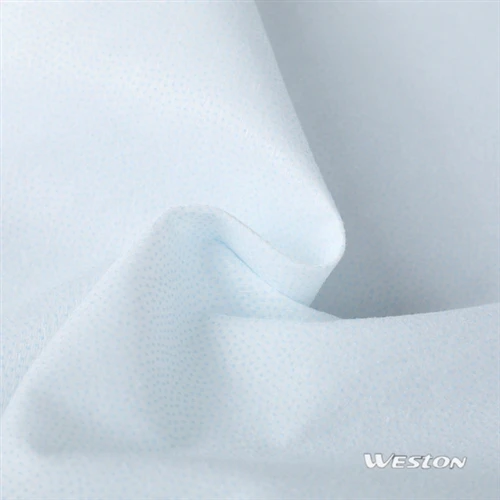
Non-woven cloth is a remarkable material that has gained popularity in various industries due to its unique properties and versatility. Unlike traditional fabrics that are woven or knitted, non-woven fabrics are made by bonding fibers together through various processes. This article explores what non-woven cloth is, its manufacturing process, types, advantages, disadvantages, applications, and the role of Weston Nonwoven in the industry.
Understanding Non-Woven Fabrics
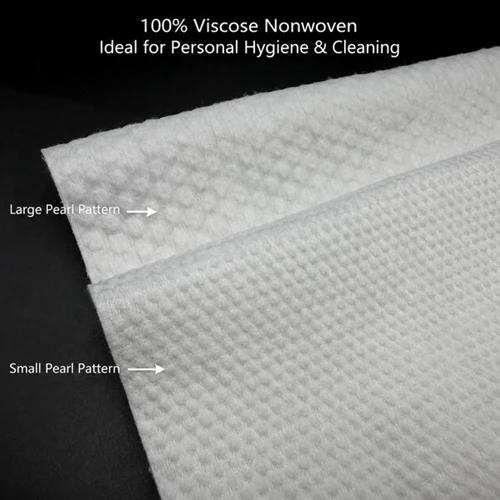
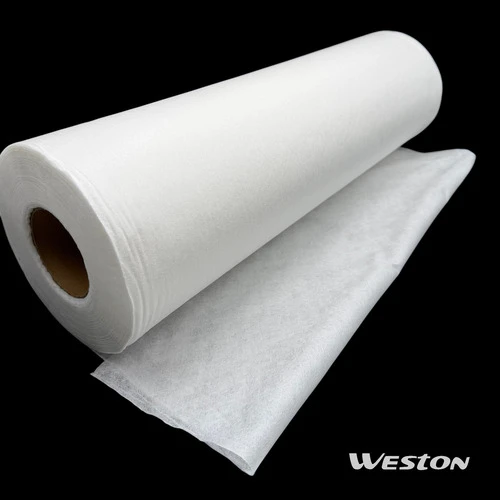
Non-woven cloth is created by entangling fibers through mechanical, thermal, or chemical means. This fabric does not require weaving or knitting, which makes it distinct from conventional textiles. Non-wovens can be made from a variety of materials, including synthetic and natural fibers. Their unique structure allows them to be lightweight, breathable, and highly absorbent.
The Manufacturing Process
The production of non-woven fabrics involves several key steps:
Raw Materials: Non-woven fabrics can be made from fibers like polyester, polypropylene, and natural fibers such as cotton and bamboo.
Techniques: Common manufacturing techniques include:
Spunbond: Continuous filaments are bonded together, creating a strong and durable fabric.
Meltblown: Fine fibers are blown onto a surface, forming a soft and absorbent material, ideal for filtration.
Needlepunch: Fibers are mechanically entangled using barbed needles, resulting in a dense and sturdy fabric.
Environmental Considerations: Many manufacturers are now focusing on sustainable practices, using eco-friendly materials and processes.

Types of Non-Woven Fabrics
Several types of non-woven fabrics cater to different needs:
Lyocell Spunlace Nonwoven: Made from wood pulp, this fabric is biodegradable and soft, making it suitable for personal care products.
Medical Nonwovens: Critical in healthcare applications, these fabrics are used for surgical gowns, masks, and other protective gear.
Flame Retardant Nonwoven: Designed for safety, these fabrics are used in environments where fire resistance is essential.
Bamboo Dish Cloths: An eco-friendly option for cleaning, these cloths are biodegradable and highly absorbent.
Advantages of Non-Woven Fabrics
Non-woven fabrics offer several benefits:
Versatility: They can be used in various applications, from healthcare to consumer products.
Cost-Effective: The manufacturing process is often less expensive than traditional textiles, leading to lower costs for consumers.
Lightweight and Breathable: Non-wovens are comfortable to use, making them ideal for personal care and hygiene products.
Enhanced Properties: Many non-wovens have specific characteristics, such as water resistance and durability, that suit particular needs.
Disadvantages of Non-Woven Fabrics
Despite their advantages, non-woven fabrics also have drawbacks:
Limited Strength: Compared to woven fabrics, non-wovens may be less durable in some applications.
Environmental Impact: Some non-woven materials can be difficult to recycle, raising concerns about waste.
Performance Limitations: Certain non-wovens may not perform well in extreme conditions, limiting their use.
Applications of Non-Woven Fabrics
Non-woven fabrics are utilized across many sectors:
Healthcare: Essential for protective gear and medical supplies, ensuring safety and hygiene.
Hygiene Products: Used in diapers and feminine hygiene products for their absorbent properties.
Industrial Applications: Found in filters, insulation, and other industrial materials.
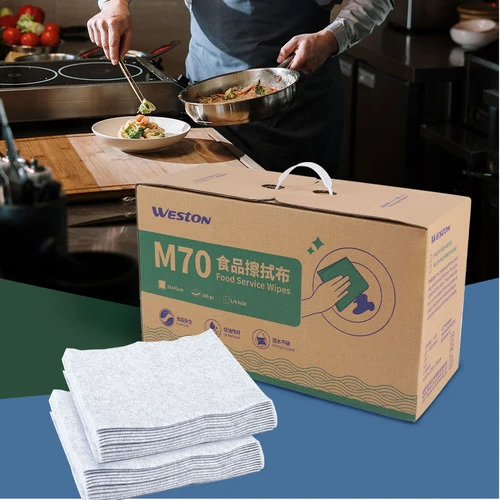
Consumer Products: Common in cleaning cloths, disposable tableware, and packaging solutions.
Future Trends in Non-Woven Fabrics
The non-woven fabric industry is evolving. Key trends include:
Innovations in Materials: New biodegradable and sustainable options are emerging, catering to environmentally conscious consumers.
Advancements in Technology: Improved manufacturing techniques are enhancing the properties and applications of non-wovens.
Growing Demand: As awareness of non-wovens increases, their applications are expanding into new markets.
Weston Nonwoven's Role in the Industry
Weston Nonwoven is committed to producing high-quality non-woven fabrics. Their range includes Lyocell Spunlace Nonwoven, Medical Nonwovens, Flame Retardant Nonwoven, and Bamboo Dish Cloths. These products exemplify the company's dedication to innovation and sustainability. For those interested in exploring their offerings, Weston Nonwoven provides free samples. Contact them at info@westonmanufacturing.com for more information.
Summary of Key Points
Non-woven cloth is a versatile and innovative material with a wide range of applications. Understanding its properties, advantages, and disadvantages helps consumers make informed choices. As the industry continues to evolve, non-woven fabrics are set to play an increasingly important role in our daily lives.