Ever reached for a sweater and felt a tiny "zap"? Or watched your dress stick to your legs on a dry morning? Static electricity is a small but annoying part of daily life-even for businesses making clothes, electronics, or home goods. The good news? Choosing the right fabric can fix it. But here's the truth: there's no "one perfect fabric" for everyone. What works for your daily shirt is different from what an electronics factory needs. Let's break down the facts, debunk myths, and help both you (and your OEM projects) beat static for good.
Why Does Static Happen? (It's Simpler Than You Think)
Static isn't magic-it's just electrons playing musical chairs. When two fabrics rub together (like your shirt against your pants), electrons move from one to the other. One fabric ends up with extra electrons (negative charge), while the other has too few (positive charge). The "sticking" or "zapping" is them trying to balance out.
The key difference? How well a fabric holds onto those electrons. Dry air makes it worse-moisture helps electrons escape, so static builds up faster in winter or air-conditioned rooms. Here's a quick guide to common fabrics (critical for OEMs picking materials):
|
Fabric Type |
Static Tendency |
Reason |
|
Synthetic (Polyester/Nylon) |
High |
They're insulators-electrons get trapped and can't escape. |
|
Natural (Cotton/Wool) |
Low (Not Zero) |
They absorb moisture, which lets electrons "leak away" slowly. |
|
Conductive Blends |
Almost None |
They have tiny metal or carbon fibers that act like "roads" for electrons to leave. |
The Best Anti-Static Fabrics: For You & Your OEM Business
Not all anti-static fabrics are the same. Let's split this into what works for daily life and what your factory needs.
For Daily Life (General Public)
Cotton-Linen Blends: Your best everyday pick. Linen makes cotton absorb more moisture, so static can't build up. They're soft, breathable, and perfect for shirts, pants, or bed sheets-no more clingy clothes on busy mornings.
Genuine Silk: Luxurious and anti-static. Silk's protein fibers don't hold electrons well, so it rarely zaps your skin. Great for scarves or blouses, especially in winter.
For OEM Clients (Industrial/Professional Use)
If you're making products for electronics, healthcare, or workwear, you need fabrics that guarantee no static (even in dry factories).
Conductive Fiber Blends: Think polyester mixed with carbon fibers. These are non-negotiable for electronics OEMs-static can damage sensitive parts, and these fabrics "carry away" charge before it's a problem.
Anti-Static Coated Fabrics: Ideal for workwear or sportswear OEMs. A thin, non-toxic coating creates a moisture layer that stops static cold. They're durable, too-even after dozens of washes.
Myth Buster: "100% Cotton Is Static-Free"?
Nope! In super dry air (like heated rooms in winter), cotton can still get staticky. For OEMs making winter wear, add 10-15% linen or modal to cotton blends. It fixes the static without losing that soft, natural feel your customers love.
How to Pick the Right Fabric (Actionable Tips)
For General Public
Check the label: Skip 100% polyester or nylon in dry seasons-they're static magnets.
Go for blends: Look for "cotton-linen" or "cotton-modal" on tags-they're comfy and anti-static.
For OEM Clients
Start with your product's use: If you're making electronics wipes, you need conductive fabrics. If it's casual clothes, cotton blends work.
Test first: Ask your supplier (like Weston Nonwoven) for samples. Test them in your clients' typical environments-dry factories need tougher anti-static solutions than humid ones.
Time to Beat Static-For You & Your Customers
For everyday folks: Next time you shop, reach for those cotton-linen blends. Say goodbye to zaps and clingy clothes.
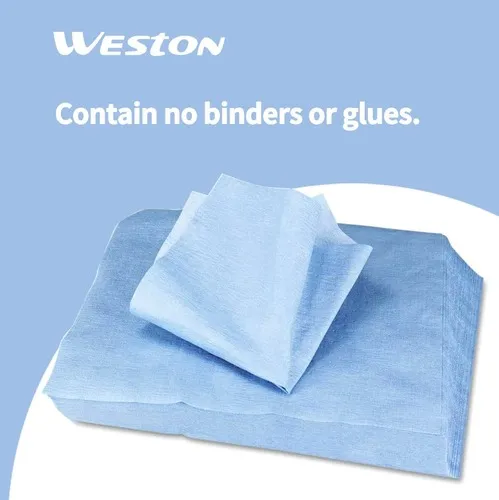
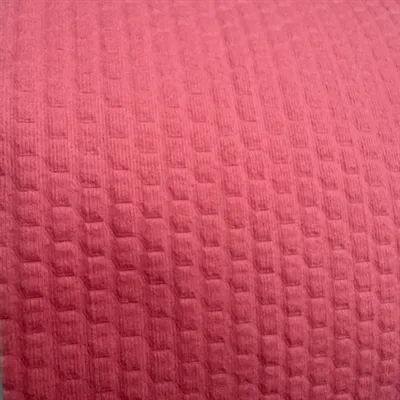
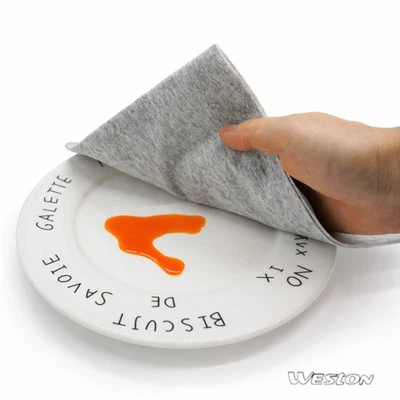
For OEM clients: Your customers hate static too-and it's a chance to stand out. At Weston Nonwoven, we specialize in anti-static nonwoven fabrics for all your needs, including Static-Free Wiping Cloths, Anti-static Wipes For Electronics, Anti-static Polyester Spunlace, and 100% Polyester Static Embossed Spunlace Floor Wipes. We know every project is unique-we offer free samples, and we can customize the fabric's weight, color, and shape to fit your exact requirements. Just drop us an email at info@westonmanufacturing.com to get started.
FAQ (People Also Ask)
Q1: Can I make synthetic fabrics anti-static at home?
A: Yes! Mix 1 part fabric softener with 3 parts water, spray lightly on the fabric, and let it dry. For OEMs, we offer pre-treated synthetic blends that don't need extra steps.
Q2: Is wool anti-static?
A: It's better than polyester, but wool absorbs moisture slowly. For cold-climate OEM products (like winter gloves), blend wool with silk-you'll get warmth and anti-static performance.
Q3: Do anti-static fabrics stop working after washing?
A: It depends. Our coated fabrics at Weston are wash-resistant-they keep working even after 50+ washes. Natural blends stay effective as long as the fiber mix stays intact.