What Is the Highest Quality of Cotton? A Straightforward Guide
You're shopping for bedding or a t-shirt, and the tag says "premium cotton." But what does that actually mean? Is it just marketing language, or is there real science behind it? Let me break this down without the hype.
What Makes Cotton Actually Premium?
Here's the thing: cotton quality isn't vague. Textile experts measure it the same way across the world using five concrete metrics. Think of them as the DNA of cotton quality.
Fiber Length is the star player. Longer fibers mean softer, stronger yarn. Short staple cotton measures under 1.125 inches-this is your everyday t-shirt cotton. Long staple stretches from 1.125 to 1.4 inches. Extra-long staple? That's over 1.4 inches, and it's where luxury lives. Why does length matter so much? Because longer fibers have tapered, smooth ends. Shorter fibers have blunt, cut edges that feel scratchy against the skin.
Micronaire measures how fine and mature the fiber is-essentially how refined it feels. The sweet spot for premium cotton is 3.7 to 4.2. Too fine and it's weak; too coarse and it's rough. It's the Goldilocks zone of fiber properties.
Fiber Strength determines durability. We measure it in grams per tex weight. Standard upland cotton hits 24-27 g/tex. Premium Pima and Supima cotton? 31-35+ g/tex. That extra strength means your fabric won't pill, tear, or thin out after 20 washes.
The other two-uniformity and color grade-ensure consistency. They matter less to your hand, but they matter a lot to how the fabric performs over time.
The Real Players: Where Premium Cotton Comes From
Upland Cotton makes up 97% of U.S. production. It's the workhorse. Good upland cotton is perfectly fine for daily wear, but it can't compete with the softer, more durable premium varieties.
Pima and Supima Cotton grow in the southwestern U.S. with fiber lengths of 1.4-2.0 inches. Pima is the general category; Supima® is certified U.S.-grown Pima with strict quality standards. You get genuine softness and exceptional durability. These are solid mid-premium choices-better than upland, but not at Sea Island rarity prices.
Egyptian Cotton from the Nile Valley is the poster child for premium. The geography here is non-negotiable: nutrient-rich alluvial soil, stable warm climate, and perfect humidity levels during the 140-220 day growing cycle. You can't replicate these conditions elsewhere. Egyptian extra-long staple cotton consistently delivers 1.25-2.0 inches of silky, durable fiber. Real Egyptian cotton lasts, holds color, and improves with washing. The downside? It commands premium prices because genuine supply is limited.
Sea Island Cotton is the absolute ceiling. It represents just 0.0004 to 0.006% of global production. Fiber lengths reach 36-37mm or longer. It's so rare that authentic pieces come with holographic certificates from the West Indian Sea Island Cotton Association (WISICA). If you're buying it, you're buying exclusivity and the softest fabric on earth-not necessity.
The Science Behind the Softness
Cotton's magic lies in its structure. Each fiber is hollow at the core with a flat, twisted ribbon shape that naturally has 50-100 convolutions per inch. This isn't a defect-it's why cotton is breathable. Air flows through and around these hollow channels, keeping you cool.
That hollow design does something else important: it allows moisture to wick away naturally. Cotton actually gets stronger when wet (unlike synthetics), thanks to hydrogen bonding in the cellulose chains. This is why quality cotton sheets improve with washing instead of degrading.
The tapered fiber ends are crucial too. Premium cotton has naturally pointed ends. Cut them short, and you get those blunt edges that feel coarse. This is why fiber length matters more than people realize-it's not just about softness at first touch, but sustained comfort over hundreds of washes.
Why Geography Matters (And Why It Can't Be Faked)
Climate determines cotton quality more than most people realize. Growth stress-heat waves, irregular rainfall, poor timing-shortens fibers and weakens them. The Nile Valley's near-perfect conditions (consistent warmth, stable humidity, dry harvest season) create a geographic advantage that other regions simply cannot match.
This is actually your guarantee of authenticity. Egyptian cotton comes from Egypt. Pima grows in the American southwest. Sea Island comes from the Caribbean. You can't move these crops to cheaper labor markets and maintain quality-that's why premium cotton is also geographically locked. If someone claims Egyptian-quality cotton grown elsewhere, they're being creative with language.
Where Certifications Enter the Picture
This is where you protect yourself from marketing fiction. Real premium cotton carries verification:
Cotton Egypt Association: Proves Egyptian origin
WISICA: The only legitimate certifier of Sea Island cotton (includes holographic proof)
Supima®: Guarantees 100% U.S.-grown Pima cotton with strict standards
GOTS (Global Organic Textile Standard): Certifies organic farming plus responsible processing
OEKO-TEX Standard 100: Tests finished fabric for harmful substances
If the label doesn't mention these or similar certifications, it's probably not premium cotton-it's premium-priced upland cotton wearing a fancy story.
Premium Fabrics: From Fiber to Final Product
Raw premium cotton can be ruined by careless processing. Hand-picking (common for premium grades) preserves fiber length better than mechanical harvesting. Careful ginning-the process that separates fiber from seed-prevents the 10-15% fiber breakage that happens with rough handling.
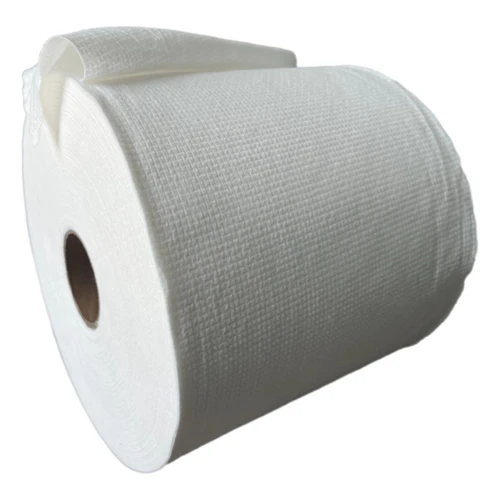
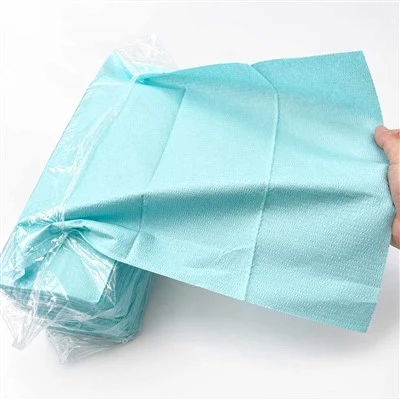
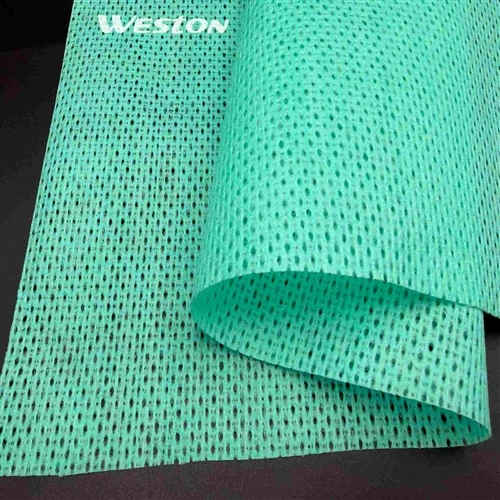
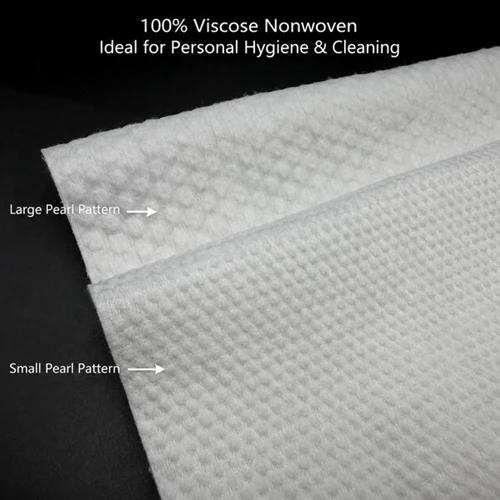
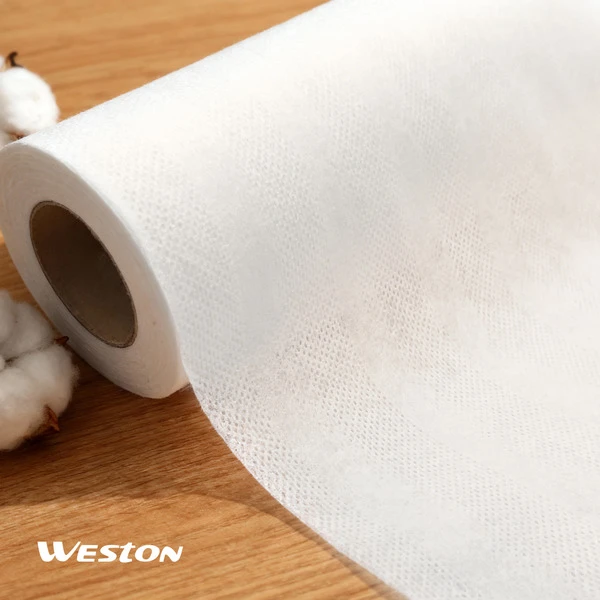
Here's something interesting: premium manufacturers often use Cotton Spunlace Nonwoven Fabrics in applications like facial sheets, wipes, and specialty textiles. These engineered fabrics use high-quality cotton fibers processed through water-jet technology to create specific textures and performance characteristics. Companies like Weston Nonwoven specialize in crafting Cotton Spunlace Nonwoven Fabrics that maintain fiber integrity while creating engineered properties impossible in traditional weaving. If you want engineered cotton performance, their technology represents the intersection of natural fiber quality and precision processing.
Most premium cotton gets combed to remove short fibers, creating smoother, stronger yarn. This adds cost but pays dividends in longevity and feel.
The Money Question: Is Premium Actually Worth It?
Let's be real. A premium sheet set costs 2-3x more than budget upland cotton. Is it worth it?
For everyday basics you wash weekly: Yes. Egyptian or Pima cotton lasts 5-7 years instead of 2-3 years for budget upland. A 60sheetsetlasting6years(60 sheet set lasting 6 years (60sheetsetlasting6years(10/year) beats two 30setslasting3yearseach(30 sets lasting 3 years each (30setslasting3yearseach(20/year). The math works.
For items you wear daily or sleep on: Absolutely. Your skin spends 8+ hours on those sheets; your body touches your underwear constantly. Premium cotton genuinely feels better and lasts longer. The comfort difference is persistent, not just first-impression softness.
For casual wear: Less critical. You don't need Sea Island cotton for a summer t-shirt. Good upland cotton works fine.
For Sea Island cotton: Only if exclusivity matters. It's beautiful, but it's not a performance upgrade-it's a luxury purchase.

The Grounded Take
Premium cotton quality is measurable. The difference isn't marketing; it's fiber length, strength, uniformity, and the geographic conditions that create them. Sea Island sits at the absolute peak of rarity and softness. Egyptian cotton delivers consistent excellence tied to irreplaceable climate. Pima and Supima offer genuine luxury at accessible price points. Even quality upland cotton is fine for many purposes.
The best cotton for you isn't the rarest-it's the one that matches your needs, your climate, and what you're actually willing to invest in. But now you know exactly what separates the genuinely premium from the merely expensive.
Want to learn more about cotton processing and engineered cotton solutions? Reach out to Weston Nonwoven for samples and insights into Cotton Spunlace Nonwoven Fabrics at info@westonmanufacturing.com.