What Fabric is Used for Hospital Gowns?
The Fabric Behind Your Hospital Gown: More Than Just Cloth
When you slip into a hospital gown, the last thing on your mind is probably what it's made of. Yet that simple piece of fabric represents one of healthcare's most overlooked engineering challenges-creating something that protects both you and medical staff, feels bearable against your skin, survives hundreds of industrial washings, and doesn't break the budget. Every thread counts more than you'd think.
Two Distinct Worlds: Reusable vs. Disposable
Hospital gowns come in two flavors, each built on fundamentally different philosophies. Reusable gowns dominate many hospitals and clinics, engineered for longevity through countless wash cycles. These are typically constructed from polycotton blends-usually 50% cotton and 50% polyester-that can withstand hospital laundry at temperatures up to 95°C without falling apart. Cotton breathes and feels comfortable; polyester adds the muscle needed to survive the industrial washers and thermal disinfection that would shred ordinary fabric.
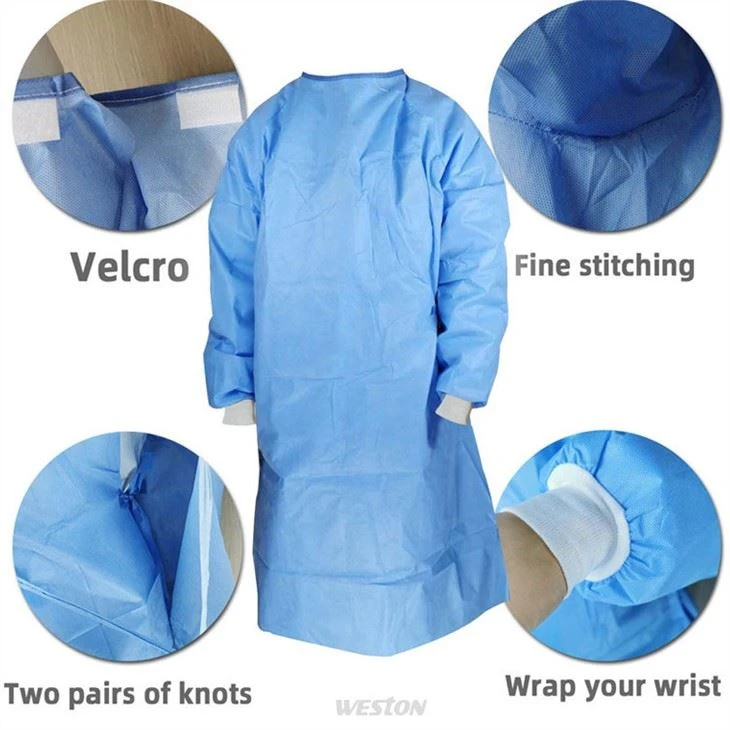
Disposable gowns take a completely different approach, manufactured from synthetic non-woven materials engineered for single-use scenarios where maximum protection and minimal lint contamination matter most. These gowns dominate operating rooms, isolation wards, and high-risk environments where controlling every variable is critical.
The Water-Jet Revolution: Understanding Spunlace
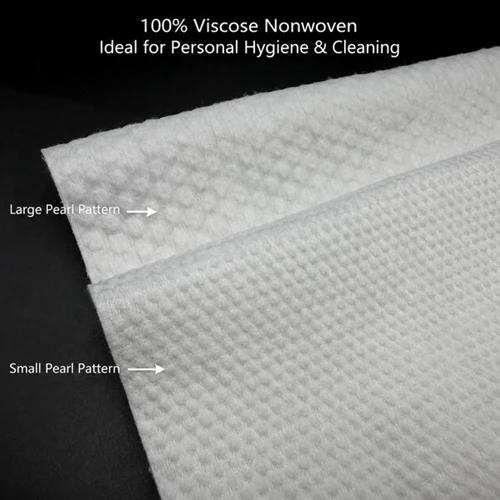
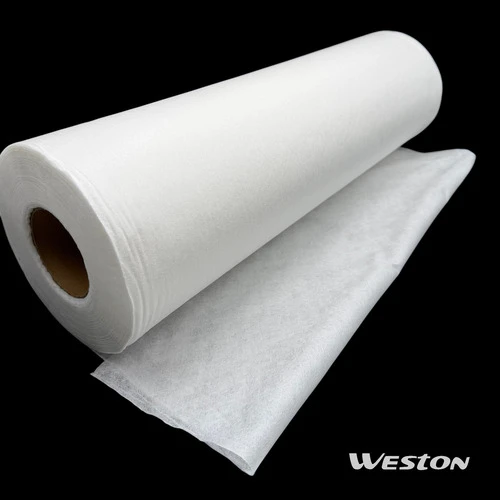
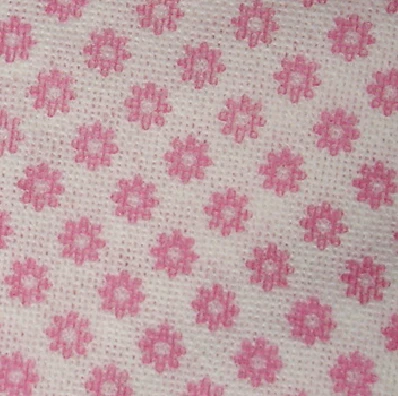
Here's where things get interesting. The most sophisticated disposable hospital gowns today rely on a technique called hydroentanglement, or spunlace technology, which sounds more like a sci-fi concept than medical textile manufacturing-but it's actually beautifully straightforward.
Traditional fabric weaving interlocks threads in a grid pattern. Spunlace skips that entirely. Instead, technicians lay down a web of fibers-anything from wood pulp to polyester to cellulose-and then blast it repeatedly with ultra-fine water jets operating at pressures around 2,000 bar. The sheer force of these jets entangles and twists individual fibers together, creating a remarkably strong, cohesive material without any chemical binders or heat bonding.
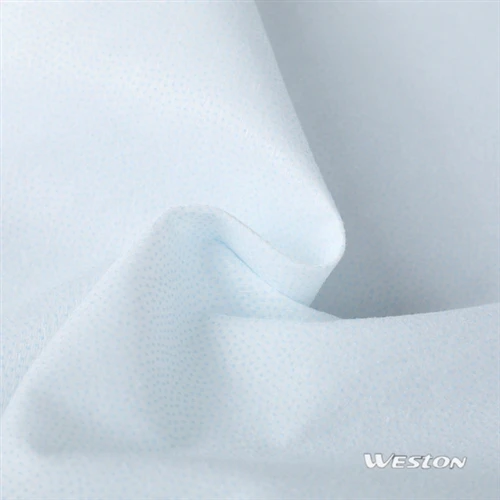
The result is remarkable: a fabric with the look and drape of traditional textiles but engineered at the fiber level. Spunlace feels soft and natural against the skin while remaining genuinely durable. It resists tearing even when wet, maintains its structure through extended wear, and creates minimal lint-a critical advantage in sterile environments where stray fibers can compromise patient safety.
SMS and Beyond: The Protective Sandwich
While spunlace represents elegance through simplicity, other non-woven structures layer materials for enhanced protection. SMS fabric-the acronym stands for Spunbond-Meltblown-Spunbond-works like a protective sandwich. Outer layers of continuous filament spunbond provide tensile strength and flexibility. The middle meltblown layer consists of ultrafine microfibers that act as a fluid barrier. This three-layer architecture achieves both breathability and impressive fluid resistance without requiring waterproof coatings that would make fabric stuffy and uncomfortable.
For situations demanding maximum impermeability-during procedures with significant blood or fluid exposure-polyethylene-coated polypropylene gowns create a nearly waterproof barrier at the cost of breathability and comfort. It's the difference between adequate protection and fortress-level protection.
The Comfort-Protection Tradeoff
Here lies the tension in hospital gown design. Protection and comfort almost always conflict. Polycotton reusable gowns sacrifice some fluid resistance to deliver superior breathability and that critical sense of dignity and comfort when someone is already feeling vulnerable. They're excellent for standard patient care, post-operative recovery, and routine procedures where exposure to large fluid volumes is unlikely.
Disposable spunlace gowns-particularly Professional Disposable Hospital Gowns manufactured using modern water-jet entanglement-navigate this tension more elegantly than earlier generations. They deliver respectable fluid resistance through advanced material layering while maintaining genuine breathability and comfort that rivals reusable garments. This represents genuine progress in medical textile engineering.
SMS non-wovens and polyethylene-coated varieties protect more robustly but sacrifice comfort, creating that stiff, uncomfortable feeling. For hours-long surgery or isolation situations, this tradeoff proves acceptable. For general patient care, it's overkill and impairs the patient experience.
What You Gain, What You Lose
Disposable gowns win on contamination control-they're used once and discarded, eliminating any risk of cross-contamination from previous patients. For operating rooms, emergency departments, and isolation wards during disease outbreaks, this advantage is non-negotiable.
Reusable gowns demonstrate surprising durability advantages. Studies show they maintain superior tensile strength, tear resistance, and seam strength even after 75 industrial washing cycles. They show essentially no pilling-that fuzzy, deteriorating appearance that destroys disposable gowns after heavy use. For high-volume facilities operating stable workflows, the economics favor reusables when you account for the total cost of disposal and purchasing.
Environmental impact tilts toward reusables. Once manufactured, a polycotton hospital gown can serve hundreds of patients over several years before disposal. Disposable gowns, by contrast, funnel directly into medical waste streams. For institutions genuinely committed to sustainability, this matters.
Real Conditions, Real Choice
Most developed healthcare systems employ both. A typical large hospital might stock polycotton reusable gowns for general wards, standard recovery areas, and routine care. Simultaneously, they maintain supplies of disposable non-woven gowns-ideally Professional Disposable Hospital Gowns featuring advanced spunlace technology-for operating rooms, emergency departments, and outbreak situations requiring maximum infection control certainty.
The sophistication comes in recognizing that blanket policies fail. A patient in standard recovery needs different protection than a surgeon performing a high-exposure procedure. A community clinic's economics and environmental footprint differ radically from a 500-bed hospital system. Modern healthcare facilities match gown selection to actual risk profiles rather than assuming every situation requires identical protection.
The Real Story
Hospital gowns rarely make headlines, yet they represent a genuine collaboration between fiber science, industrial engineering, infection control principles, and healthcare economics. The polycotton blend reusable gown performs its modest function with quiet reliability. The modern spunlace disposable gown-engineered through pressurized water jets entangling individual fibers-demonstrates how thoughtful material science can balance competing demands.
The next time you encounter a hospital gown, it's not just cloth. It's the result of deliberate design choices, materials science optimization, and decades of learning what actually keeps people safe while maintaining their dignity in vulnerable moments. That's worth noticing.