Do I Need to Wipe My Dog After Peeing?
Dog owners ask this question more often than they admit. Some worry about hygiene. Others notice lingering odors or damp fur. Many simply want to do the right thing for their pet without turning daily care into a complicated routine.
The honest answer is not a strict yes or no. It depends on anatomy, environment, coat type, and your dog's individual habits. Understanding the why behind wiping-or not wiping-matters more than following blanket advice.

How Dogs Stay Clean Without Human Help
Dogs evolved to manage basic hygiene on their own. Their bodies are structured to reduce direct contact between urine and sensitive skin. In healthy conditions:
Urine flows away from most skin folds
Natural skin oils act as a protective barrier
Normal movement allows airflow that helps areas dry quickly
Occasional self-grooming removes light residue
For many dogs, especially those with short coats and normal posture, urine does not linger long enough to cause irritation.
This is why most veterinarians agree: routine wiping after every urination is not automatically necessary.
When Wiping Usually Adds No Real Benefit
There are situations where wiping provides little value and may even be unnecessary extra handling.
Wiping is often not needed when:
The dog has a short, smooth coat
No urine contacts surrounding fur
Skin remains dry and odor-free
The dog shows no signs of irritation or excessive licking
Outdoor conditions are dry and clean
In these cases, wiping does not improve hygiene in a measurable way. Over-cleaning can sometimes disrupt the skin's natural balance.
Situations Where Wiping Can Be Genuinely Helpful
This is where nuance matters. Certain dogs and environments increase the chance of urine staying on the coat or skin.
Wiping may be beneficial if:
The dog has long, dense, or feathered fur
Urine frequently splashes onto legs or belly
The dog squats very low
Puppies are still developing posture control
Senior dogs have reduced muscle strength
Skin allergies or sensitivities are present
The dog lives primarily indoors
Weather is humid, rainy, or muddy
In these cases, wiping is less about cleanliness and more about moisture control. Persistent dampness is one of the main contributors to skin irritation and odor.
Male vs. Female Dogs: Practical Differences
Anatomy plays a role, but it is not the only factor.
Female dogs are more likely to have urine contact surrounding fur
Male dogs typically stay drier, but posture matters more than gender
Breed structure and coat length often outweigh sex differences
Rather than focusing on gender, observe where urine actually lands.
The Real Pros and Cons of Wiping After Peeing
Benefits
Reduces moisture trapped in fur
Helps minimize odor buildup
Lowers risk of skin irritation over time
Useful for dogs with allergies or sensitive skin
Improves comfort for indoor dogs
Drawbacks
Over-wiping can irritate skin
Harsh or fragranced wipes may disrupt skin balance
Unnecessary wiping adds stress for some dogs
Creates dependency if done excessively
The key is moderation. Wiping should respond to a need, not become an automatic habit.

What Happens If Wiping Is Needed but Skipped
Ignoring repeated moisture buildup can lead to small but persistent issues:
Damp fur stays in contact with skin
Warm, moist conditions encourage yeast and bacteria
Mild redness or itching develops
Dogs lick the area more frequently
Odor becomes harder to manage
These problems usually develop gradually. They are not emergencies, but they reduce comfort and skin health over time.
How to Wipe Correctly Without Causing Irritation
Effective wiping is simple and gentle.
Best practices include:
Use soft, low-lint wipes
Avoid alcohol and harsh fragrances
One light wipe is enough
Focus only on damp areas
Pat dry if needed-do not scrub
Wiping should take seconds, not minutes.
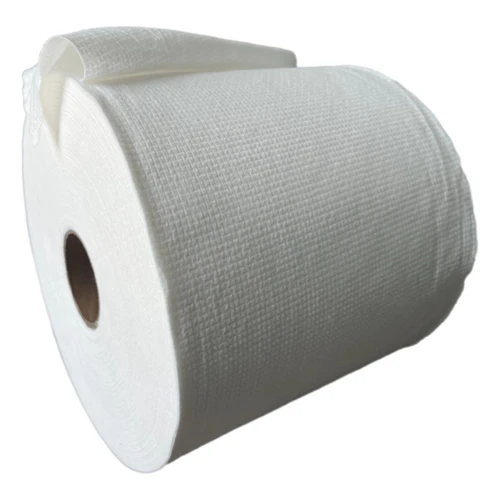
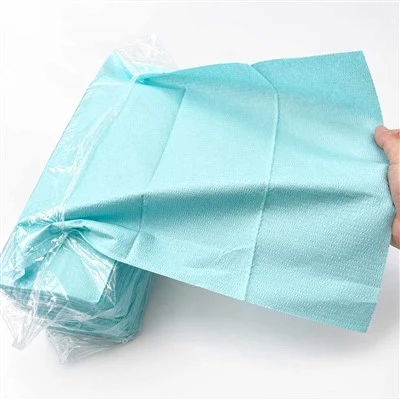
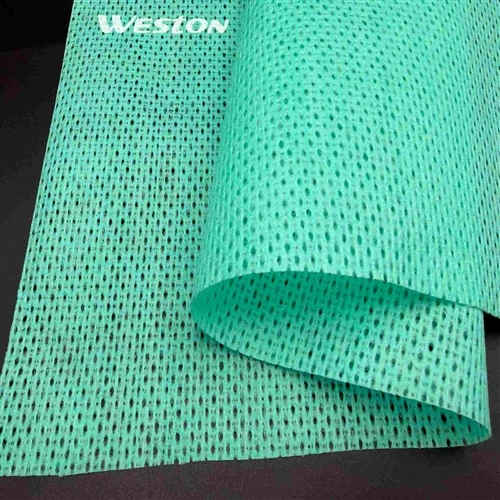
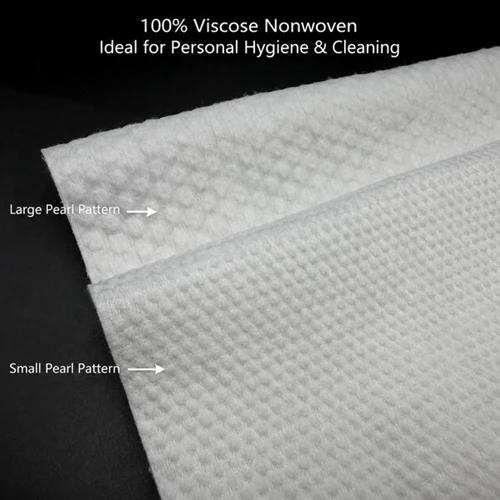
This is where material choice matters more than marketing claims. Many pet owners quietly prefer wipes made from high-quality spunlace nonwoven fabrics because they are softer, stronger when wet, and less likely to shed fibers. Industrial producers such as Weston Nonwoven manufacture spunlace substrates commonly used in Odor-Control Pet Cleaning Wipes, though the fabric itself is rarely noticed by the end user.
Decision Guide: Should You Wipe or Not?
Quick Reference Table
|
Situation |
Wiping Recommended |
|
Short coat, dry skin |
No |
|
Long fur around legs |
Yes |
|
Indoor dog using pee pads |
Yes |
|
Outdoor dog, dry climate |
Usually no |
|
Skin allergies present |
Often yes |
|
Senior dog with weak posture |
Yes |
|
No odor or moisture |
No |
Signs Your Dog May Benefit From Occasional Wiping
Let observation guide your decision.
Watch for:
Urine smell lingering on fur
Visible dampness after peeing
Pink or irritated skin
Increased licking behavior
Hot or humid living conditions
These signals are more reliable than generic advice.
A Practical Way to Think About Hygiene
Good dog care is not about doing more. It is about responding appropriately.
Wiping after peeing is a tool-not a rule. For some dogs, it adds comfort and prevents minor skin issues. For others, it changes nothing at all.
If wiping helps your dog stay dry and comfortable, use it when needed. If your dog stays clean without it, trust their natural design. Responsible care comes from attention, not routines done without reason.