Is Viscose and Polyester a Good Combination? The Science of a Pragmatic Marriage
We have all been trained to look for "100% Cotton" or "100% Silk" on tags. In the hierarchy of fabrics, pure natural fibers are often treated like royalty, while synthetic blends are dismissed as cheap compromises.
But let's be real: pure fabrics are romantic, but they are incredibly high maintenance. We live in a fast-paced, messy world where we need our clothes, wipes, and industrial fabrics to survive more than just a gentle hand wash. The combination of Viscose and Polyester isn't just a cost-cutting measure; it is a smart piece of chemical engineering. It is the "Realist's Choice"-balancing comfort with raw durability.

Meet the Players: The "Odd Couple"
To understand why they work together, we first need to look at who they are individually.
Viscose (The "Softie")
Viscose is the "bridge" fiber. Made from regenerated wood pulp, it is semi-synthetic. It's what happens when nature's raw materials meet industrial processing.
The Good: It feels amazing-silky, highly breathable, and has a beautiful drape. In terms of liquid absorption, it's a powerhouse.
The Bad: It's fragile. It wrinkles if you look at it wrong, it shrinks in the wash, and its strength drops by nearly 50% when it gets wet.
Polyester (The "Bodyguard")
Polyester is essentially a high-performance plastic. It gets a bad reputation for feeling "synthetic," but its utility is unmatched.
The Good: It is indestructible. It holds color forever, never wrinkles, and provides the structural integrity that natural fibers lack.
The Bad: It doesn't breathe. It feels like wearing a plastic bag if used alone, and it can be quite stiff.
The Analogy: Viscose is the artist-sensitive, fluid, and expressive. Polyester is the soldier-tough, rigid, and reliable. Alone, they both have functional gaps. Together, they create a balanced ecosystem.
The Magic of the Mix: Why They Get Married
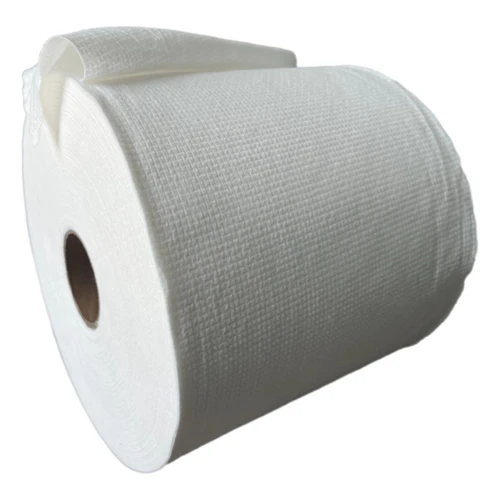
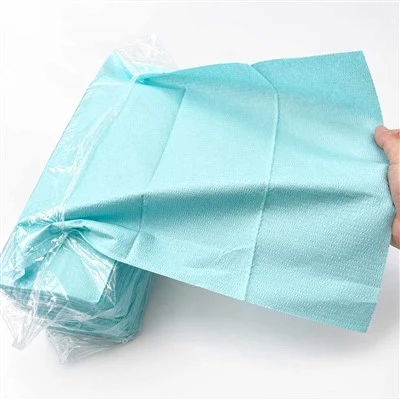
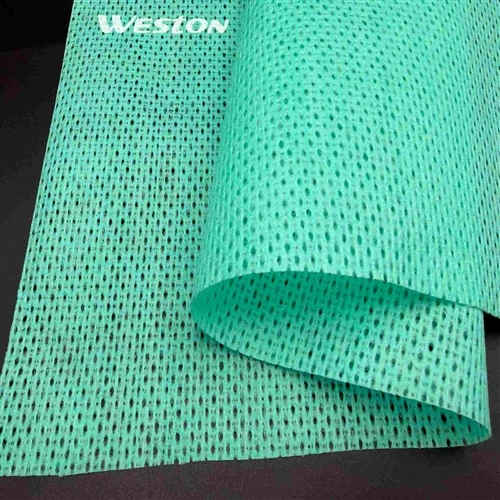
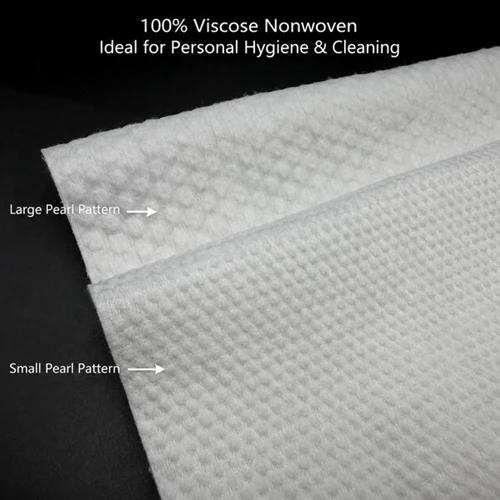
When manufacturers create a Viscose Polyester Spunlace fabric, they aren't just throwing two things in a pot. They are solving specific engineering problems.
1. Structure Meets Flow
Polyester acts as the "skeleton" of the fabric. It prevents the garment or the industrial wipe from losing its shape. Viscose acts as the "flesh," providing the soft touch and the absorption capacity.
2. The "Ironing" Factor
This is the biggest selling point for apparel. A 100% Viscose shirt requires professional steaming to look decent. By adding Polyester, you create a "Wash and Wear" fabric that resists creasing.
3. Moisture Management
Viscose absorbs moisture (sweat or cleaning liquids), while Polyester helps the fabric dry significantly faster. This synergy is exactly why companies like Weston Nonwoven specialize in Viscose Polyester Spunlace-it creates a material that picks up spills efficiently but doesn't stay a soggy mess for hours.

Performance Comparison Table
|
Feature |
100% Viscose |
100% Polyester |
Viscose/Poly Blend |
|
Softness |
Excellent |
Average/Rough |
High |
|
Durability |
Low (Weak when wet) |
Superior |
High/Reinforced |
|
Breathability |
High |
Low |
Balanced |
|
Absorbency |
Superior |
Near Zero |
Good to Excellent |
|
Cost |
Medium |
Low |
Economical |
A Fresh Perspective on Sustainability
The bold stance we need to take is challenging the "Natural = Good, Synthetic = Bad" binary.
A cheap 100% cotton or pure viscose item might lose its shape after five washes, ending up in a landfill within months. A Viscose Polyester Spunlace blend lasts significantly longer. It doesn't fade, it doesn't shrink, and it handles the mechanical stress of a washing machine-or industrial use-with ease.
The Point: The most sustainable product is the one you use 100 times, not the one that biodegrades after three uses because it fell apart. This blend extends the lifecycle of materials, which is a pragmatic win for the environment.
When is this Combination a "GO"?
Professional Wear: Perfect for blazers and trousers that need to look crisp after an 8-hour shift.
Travel Gear: You can pack a blend in a suitcase, pull it out, and it's ready to wear.
Industrial & Medical Wipes: This is where the Viscose Polyester Spunlace technology truly shines. In environments where you need lint-free cleaning and high absorption (like labs or cleanrooms), this blend is the gold standard. Weston Nonwoven has refined this process to ensure the fibers are entangled so tightly that they don't shed, yet remain incredibly soft.
Keeping it Honest: When to Avoid It
No fabric is perfect. You should skip this blend if:
Extreme Heat: If it's 40°C and humid, the polyester content might still feel a bit warm compared to pure linen.
Sensitive Skin: A very small percentage of people find any synthetic content irritating, though modern spunlace techniques have made these fabrics smoother than ever.
The "Static" Issue: Polyester loves static. In dry winters, a blend might cling to you more than cotton would.
Don't Be a Fabric Snob
Viscose brings the luxury and the thirst; Polyester brings the longevity and the strength. It is a Good Combination. It is functional, affordable, and built for the rigors of modern life.
Next time you see this blend on a label-whether it's a high-end cleaning wipe or a summer dress-don't put it back. Touch it. If it feels good, it's likely because of that clever structural balance. It might just be the hardest-working material in your life.
Weston Nonwoven is a leading factory specializing in high-performance Viscose Polyester Spunlace solutions for global markets. We believe in the power of the blend.
For those looking to test the durability and soft touch of our materials firsthand: Free Samples Available: Contact us at info@westonmanufacturing.com to request your Viscose Polyester Spunlace sample kit today.