What Do Tattoo Artists Use to Wipe a Tattoo?
If you've ever sat for a tattoo or watched the process, you'll notice a rhythm. The buzz of the machine, the artist's focus, and a simple, repeated motion: wiping. It might look like a basic step, but what's happening there is crucial. It clears away excess ink, blood, and plasma to reveal the crisp line or shading underneath, and it keeps the working area clean. Let's break down what's really being used in that moment.

The Toolkit: From Everyday to Specialized
Walk into most tattoo shops, and you'll see a few common items piled up by the station.
The most universal tool is the humble paper towel. It's affordable, highly absorbent, and disposable. Artists often fold them into tight, pointed "spitballs" for precise control. They're the workhorse of the industry, used dry or dampened with a solution.
That solution is often a green soap mix. Green soap is a gentle, plant-based surgical cleaner. When diluted with water, it creates a disinfecting liquid that helps lift ink and fluid from the skin while offering some antiseptic properties. It's used with paper towels or gauze.
For more sensitive areas or very fine detail work, sterile gauze pads come into play. They are soft, lint-free, and less likely to irritate freshly tattooed skin. Some artists also keep plain distilled water or saline spray on hand for a quick, neutral rinse to cool and calm the skin.
Why the Wipe Matters: More Than Just Tidying Up
This isn't just about cleaning up a mess. Each wipe serves multiple purposes. First, it's about clarity. Removing the pooling ink and fluids allows the artist to see their work accurately and place the next needle stroke exactly where intended. A smudged, wet canvas makes precision impossible.
Second, and most importantly, it's about safety and hygiene. Tattooing creates a controlled wound. Wiping away potentially contaminating fluids reduces the risk of cross-contamination and infection, both for the client and for the artist who might be moving between colors and stations. A clean field is a non-negotiable standard.
Finally, it impacts healing. Harsh rubbing or abrasive materials can cause unnecessary trauma to the skin. The right wiping technique and material help minimize irritation, setting the stage for a smoother healing process once the tattoo is done.
Weighing the Options: A Look at the Trade-Offs
Every material has its pros and cons, and artists choose based on cost, comfort, and environmental impact.
Paper towels are incredibly cost-effective and convenient. However, they can sometimes leave lint or fibers on the skin if a lower-quality brand is used. Their single-use nature also generates significant waste over time.
Gauze is soft and sterile, making it excellent for sensitive skin. It's generally lint-free. On the downside, it can be more expensive than paper towels and may not be as absorbent for heavy ink pooling, requiring more frequent changes.
This is where the conversation is evolving. The industry is seeing a shift toward purpose-made products that aim to balance performance, skin-friendliness, and environmental responsibility. Some artists are exploring reusable, medical-grade cloths that undergo strict autoclave sterilization between uses. Others are looking at single-use wipes made from specialized materials designed specifically for tattooing.
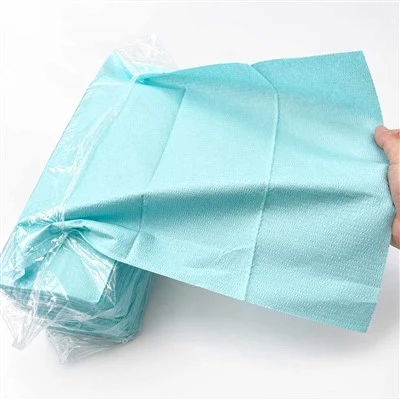
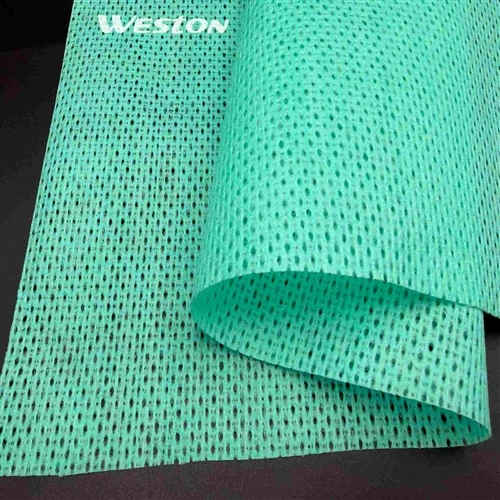
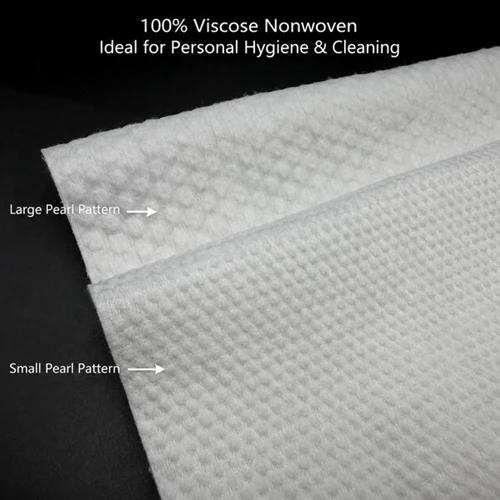
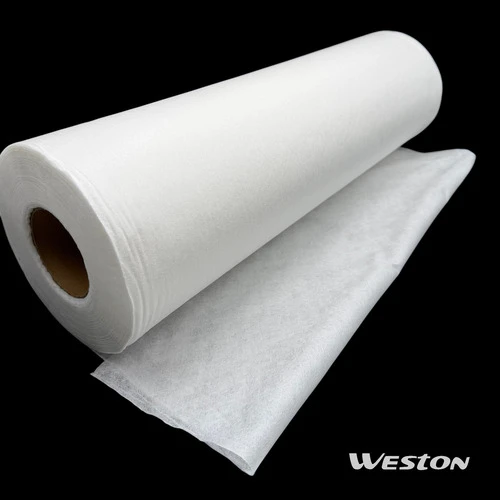
A key development in this space is the use of advanced nonwoven fabrics. Unlike traditional woven gauze or the pulp-based structure of paper towels, high-quality Tattoo Cleaning Wipes Nonwoven Fabric is engineered to be strong, ultra-soft, and highly absorbent without falling apart or shedding lint. For example, manufacturers like Weston Nonwoven produce spunlace materials that offer a consistent, cloth-like feel. This type of fabric can be saturated with sterilizing solutions to create a ready-to-use wipe that's gentle on compromised skin and effective at lifting ink-addressing common gripes with older methods.

Making the Choice: What Artists Consider
So, what guides an artist's choice? It's a blend of practical training, personal experience, and client care. The technique is as important as the tool itself-using a light, dabbing or rolling motion rather than a harsh swipe protects the skin. Health codes strictly mandate the use of disposable barriers and single-use materials that cannot be cross-contaminated.
Comfort plays a huge role, too. A client's skin is already under stress; the last thing you want is a rough material causing more discomfort. The ideal wipe is effective enough to keep the session efficient but gentle enough to feel like a consideration, not an abrasion.
In the end, that constant, rhythmic wiping is a silent partner in the tattoo process. It's a fundamental act of care that bridges the gap between creating art and practicing medicine. The tools may be simple, but the thought behind them-cleanliness, clarity, and comfort-is what supports every lasting piece of ink on skin.