What Is the Best Way to Clean an Abrasive?
The best way to clean an abrasive is to start dry and mechanical: a crepe stick for belts and discs, a stiff nylon brush for sandpaper, and a dressing stick for wheels. Use water or solvent only if the backing and bond can take it, and replace the abrasive once the backing frays or the grit is gone.
Shop crews use a few terms loosely, so here is how this guide uses them. Cleaning removes packed debris without changing the abrasive. Dressing takes a thin layer off a wheel to expose fresh grit. Truing restores a wheel's shape. Lapping flattens a stone or plate on a flat abrasive surface. The sections below cover coated abrasives, bonded wheels, diamond and CBN wheels, sharpening stones and nonwoven pads, with steps you can use at the machine.
Quick Answer: The Best Cleaning Method for Each Abrasive Type
|
Abrasive type |
First-choice method |
Liquids |
Avoid |
|
Sanding belts and discs |
Crepe or rubber cleaning stick on the running abrasive |
Sparingly, durable backings only |
Wire brushes; soaking |
|
Sandpaper sheets |
Tap, nylon brush, low-pressure air |
Water, waterproof paper only |
Soaking paper backings |
|
Grinding wheels |
Dressing stick or star-wheel dresser |
Wet dressing only as the wheel maker specifies |
Grooving the face; dressing a cracked wheel |
|
Diamond and CBN wheels |
Very light pass with an aluminum oxide or silicon carbide stick |
Coolant if the bond allows |
Heavy pressure; conventional-wheel tools |
|
Sharpening stones and plates |
Scrub, then lap flat |
Water or oil, matched to the stone |
Mixing oil and water on one stone |
|
Nonwoven pads |
Tap, brush, low-pressure air |
Warm water and mild detergent if the maker allows |
Wire brushes; hot water; strong solvents |
Three rules cover almost every case: dry before wet, mechanical before solvent, and replace the abrasive as soon as its structure fails.
Is It Dirty or Worn Out? Diagnose Before You Clean
Cleaning only helps if the abrasive is dirty. Match what you see to one of four conditions.
|
Condition |
What you see |
Common cause |
Action |
|
Loading |
Grain valleys packed with dust, pitch, resin or paint; slow cut, streaks |
Resinous or soft material, heavy pressure, weak dust extraction |
Clean |
|
Glazing |
Shiny, slick face that slides instead of cutting; burn marks |
Dull grain that won't break away, light pressure, heat |
Clean or dress; replace if it returns fast |
|
Smearing |
Soft metal or plastic welded onto the grit |
Heat from high speed or heavy pressure |
Clean mechanically, then slow down |
|
Worn out |
Missing grit islands, frayed backing, cracks, out-of-round wheel |
Normal end of life or overload |
Replace |
Three quick checks tell you which one you have:
Look at the face. Shine means glazing; a packed, dull face means loading.
Touch it, with the machine stopped and the abrasive at rest. A light fingertip drag should bite. If it skates, the face is glazed or loaded.
Watch the cut. Heat, burn marks, smeary strings instead of fine dry dust, and a falling cut rate all mean the face needs attention.
Loaded abrasives are often mistaken for worn ones, so a quick cleaning is a cheap first test. If the cut doesn't come back, the abrasive is finished.
Five Rules That Apply to Every Method
Dry first, wet last. Try tapping, brushing, crepe or dressing before water or solvent.
Use a cleaner softer than the grit but firm enough to lift residue. Crepe rubber and nylon lift debris; wire and steel shear the grit.
Watch speed and heat. High speed and heavy pressure bake resin, plastic and soft metal into the grit.
Make short, light, even passes. A stick or dresser that dwells in one spot grooves or overheats the face.
Stop when the structure fails. Frayed backing, missing grit and cracks mean replacement, not more cleaning.
The Escalation Ladder
Work up one step at a time and stop as soon as the abrasive cuts again.
|
Step |
Method |
Advantage |
Trade-off |
|
1 |
Dry mechanical: crepe stick, nylon brush, low-pressure air |
Fast, cheap, keeps the grit |
Weak on heavy smears; air can drive dust deeper; hard pressing heats the belt |
|
2 |
Dressing, truing or lapping |
Restores cutting action and shape |
Removes material; misuse grooves or unbalances a wheel |
|
3 |
Water or solvent, sparingly |
Dissolves pitch and other sticky residue |
Can weaken backings and bonds; fire and fume hazard; needs full drying |
|
4 |
Replace |
Consistent cut, no rework |
Costs a new abrasive |
How to Clean Each Type of Abrasive, Step by Step
Each section below follows the same order: when to use the method, the steps, how to know you're done, what to avoid, and a safety note.
How to Clean Sanding Belts and Discs
Use it when: the face is glossy, streaky or packed and the cut rate has dropped. You need: a crepe or natural-rubber cleaning stick.
With the belt or disc running, hold the stick firmly and touch it to the face lightly, away from pinch points where the belt runs onto a pulley or roller.
Make passes of a few seconds across the width, letting the stick wear rather than pressing it in.
Stop the machine, check the face, and repeat only if it still looks glazed.
Done when: the face looks matte, a fingertip drag bites, and the cut rate returns.
Don't: use a wire brush, which shears grit and polishes the surface.
Safety: keep sleeves, cuffs and fingers clear of the belt path.
How to Clean Sandpaper Sheets
Use it when: sheets clog during hand or random-orbit sanding. You need: a firm edge, a stiff nylon brush, low-pressure air and a crepe block.
Tap the sheet on a firm edge to shed loose dust, then brush the face with the nylon brush.
Blow it off in short bursts of low-pressure air at a shallow angle, so the air lifts dust out instead of driving it in.
For pitch, rub lightly with the crepe block.
On waterproof (wet/dry) paper only, rinse with clean water and dry it flat.
Done when: the face looks matte and feels gritty again.
Don't: soak paper-backed sheets or dry them over a heater; moisture and heat warp backings.
Safety: wear eye protection and a dust mask.
How to Clean (Dress) a Grinding Wheel
A grinding wheel isn't washed; it's dressed. Dressing takes a thin layer off the face to open the structure and expose fresh grain.
Use it when: the wheel is glazed or loaded, or the work is burning. You need: a dressing stick or star-wheel dresser.
Inspect the wheel. Replace it if it is cracked or chipped; never dress a damaged wheel.
With the wheel stopped, set the tool rest (if your machine has one) within 1/8 in (3 mm) of the face. Never adjust it while the wheel is turning.
Stand out of line with the wheel and run it at working speed.
Traverse the dresser slowly and evenly across the face with light pressure, in several light passes rather than one deep cut. Dress wet or dry as the wheel maker specifies.
Stop when the face is even and open, and watch for vibration when the wheel runs back up.
Done when: the glaze is gone, the face runs true, and the work no longer burns.
Don't: dwell in one spot or carve grooves.
Safety: guards stay on, and the wheel never exceeds its marked maximum speed.
How to Clean Diamond and CBN Wheels
On a superabrasive wheel, a layer of diamond or CBN sits in a bond. When the bond loads or glazes, the grit can't cut. The fix is to wear back a little bond, not to grind down the diamond.
Use it when: the wheel rubs instead of cutting, runs hot, or leaves a poor finish. You need: an aluminum oxide or silicon carbide dressing stick and the wheel maker's instructions.
Confirm the bond type (resin, metal or vitrified) and what the maker allows for dressing and coolant.
Run the wheel at working speed, with coolant if the bond allows.
Touch the stick to the face with very light pressure and make a few short traverses.
Test on scrap, and repeat only if the wheel still doesn't cut freely.
Done when: the wheel cuts freely at your normal feed rate and runs cooler.
Don't: press hard, or use tools made for conventional wheels, such as star-wheel dressers, unless the maker approves.
Safety: the same guard, speed and eye-protection rules as any grinding wheel.
How to Clean Sharpening Stones and Plates
Use it when: a stone glazes, clogs with swarf, or dishes in the middle and no longer cuts a flat edge.
Water stones: scrub with a nylon brush under water, then lap flat on a flattening plate, or on 220–400 grit wet/dry paper on glass, using water.
Oil stones: degrease with mineral spirits and a stiff brush, wipe dry, then re-oil lightly.
Diamond plates: scrub with a nylon brush, water and a little mild detergent, then rinse and dry.
Check flatness with a straightedge before use.
Done when: the surface is flat, evenly textured and free of shiny patches.
Don't: switch a stone between oil and water.
Safety: mineral spirits are flammable, so ventilate, keep ignition sources away, and put soaked rags in a closed metal container.
How to Clean Nonwoven Abrasive Pads
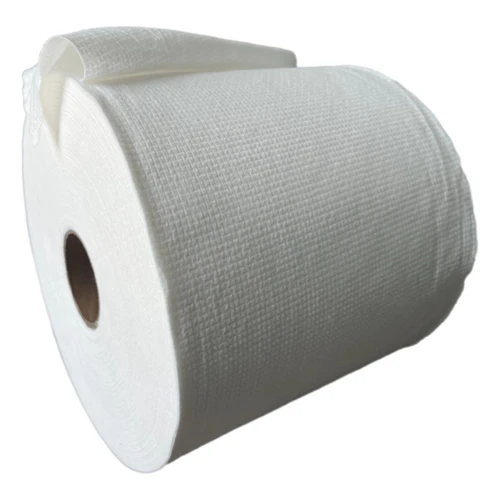
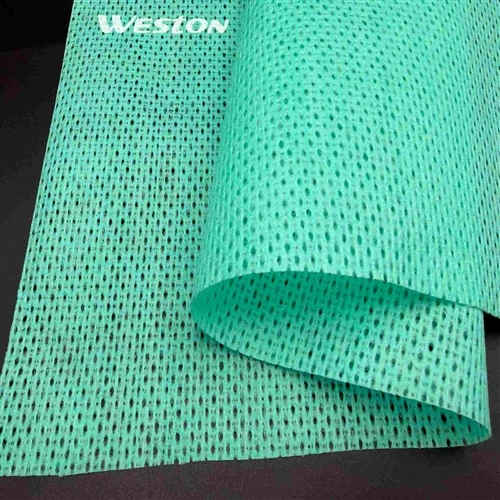
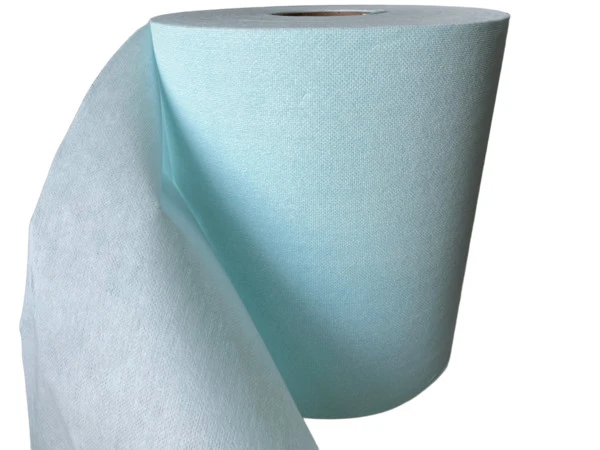
Nonwoven abrasives come in more than one form. Pads, discs, belts and convolute wheels bind mineral grain into a lofty fiber web with resin, and the open structure helps them resist loading. Scrubbing cloths and wipes work differently: a spunlace base, made by entangling fibers with water jets, carries raised plastic dots that do the scrubbing, as in Abrasive Spunlace With Plastic Dots. The steps below cover grain-based pads and wheels; for dotted cloths, follow the supplier's guidance on rinsing and reuse.
Use it when: a pad or wheel looks matted, glossy, or packed with grease, paint or metal.
Shake or tap the pad to release loose debris.
Blow the web out from the back with low-pressure air, or brush it lightly.
If the data sheet allows, rinse in warm water with mild detergent, squeeze out the water, and let it dry completely before use.
Retire the pad if the web is hardened, charred or shedding fibers.
Done when: the web springs back and the pad cuts or blends evenly on scrap.
Don't: use wire brushes, hot water or strong solvents, which can damage the fibers or soften the resin.
Note: washing and reuse limits vary by fiber and resin, so follow the maker's data sheet.
Stubborn Residue: Pitch, Paint, Metal Smears, and Plastic
When dry cleaning stalls, match the method to the residue.
|
Residue |
Why it clogs |
Try first (dry) |
If needed (liquid) |
Watch out |
|
Wood pitch (pine, cedar) |
Sticky resin bridges the grit |
Crepe stick on belts; crepe block on sheets |
Citrus cleaner or mineral spirits on durable backings; wipe, don't soak |
Solvent softens paper backings and glue |
|
Paint and coatings |
Fills the valleys and hardens |
Nylon brush; crepe stick |
A solvent the backing and bond can tolerate |
Cured paint rarely comes out; next time use a stearate-coated or open-coat abrasive |
|
Soft metals (aluminum, brass) |
Heat welds metal onto the grit |
Crepe stick; dress wheels; lap plates |
Degreaser lifts oily swarf paste, not welded-on metal |
Overheating; aluminum dust is combustible |
|
Plastics |
Melts at low heat and smears |
Lower speed, lighter pressure, nylon brush |
Avoid aggressive solvents |
Solvents can attack the plastic and the bond |
Before You Use Any Liquid
Ask four questions first:
Can the backing take water or solvent? Paper backings and some adhesives can't.
Is the bond compatible? Solvents can soften resin bonds.
Is the area ventilated and free of ignition sources?
How long will it take to dry? Don't use the abrasive until it's fully dry.
If the answers are fine, put a little cleaner on a cloth (not on the abrasive), wipe the face lightly, let it dry completely, and test the bite on scrap.
Safety Checklist for Cleaning Abrasives
Protective gear: safety glasses or a face shield, hearing protection where noise requires it, and a respirator or dust mask suited to the dust.
Guards and clothing: guards stay on. Keep loose sleeves, jewelry and hair away from belts and discs, and keep fingers out of pinch points. Follow your lockout/tagout procedure before changing an abrasive or clearing a jam.
Wheels: never exceed the marked maximum speed. Ring-test vitrified wheels before mounting, as the maker directs; organic-bonded wheels (resin, rubber) are usually inspected visually. Stand out of line at startup, and stop if vibration grows.
Compressed air: keep nozzle pressure under 30 psi, use chip guarding and PPE, and never aim it at skin (OSHA 29 CFR 1910.242(b)).
Combustible dust: fine dust from aluminum, magnesium, wood and some plastics can burn or explode. Use dust extraction instead of blowing dust into the air, and follow your plant's combustible dust program.
Solvents and rags: solvents are flammable. Use only what you need, keep ignition sources away, and put soaked rags in a closed, approved metal container.
For current requirements, check the wheel maker's instructions, ANSI B7.1 and OSHA 29 CFR 1910.215.
Clean It or Replace It? How to Know
You have cleaned enough when:
- The face loses its shine and looks matte again.
- A light fingertip drag bites instead of skating.
- The cut rate jumps, and dust turns fine and dry instead of smeary strings.
- Heat drops, and burn marks disappear within a few passes.
Replace it when:
- The backing is torn or the edges are frayed.
- Grit islands are missing or the face has bare patches.
- A wheel is cracked, chipped, out of round, or vibrating in a way dressing doesn't cure.
- Loading or glazing returns within minutes of a proper cleaning.
- The cut rate keeps falling after repeated cleanings.
When you're unsure, work through this order:
Is the backing or bond sound? If not, replace the abrasive.
If yes, clean dry (or dress). If it cuts again, go back to work.
If not, use a liquid, but only if the backing and bond allow it. If it cuts again, go back to work.
If not, replace it. If the same loading keeps returning, change the grit, the abrasive type or the speed.
How to Stop Abrasives From Loading in the First Place
Prevention saves more time than any cleaning method.
Match the abrasive to the material. Open-coat suits soft woods and aluminum, stearate-coated resists gummy resins and paint, and ceramic grain suits heavy stock removal on steel.
Extract dust at the source. Less dust at the face means less loading.
Control speed and pressure. Heat is what turns dust into smear.
Dedicate abrasives to one material and label them, so nothing carries oil, paint or metal to the next job.
Store belts and paper flat and dry. Humidity warps backings and shortens their life.
Clean a little after each session, and keep a small kit at hand: a crepe stick, a nylon brush, a dressing stick and a mild degreaser.
Keeping Your Hands and Workspace Clean Too
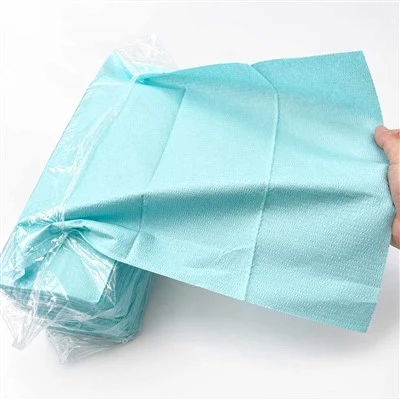
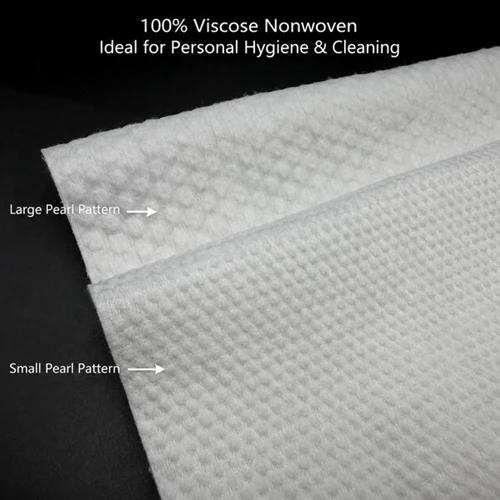
Cleaning an abrasive leaves dust and residue on more than the abrasive. Your hands, the bench, the tool rest and the machine housing collect it too, and it gets carried to the next job. Wipe those surfaces, and keep wipes away from the abrasive face, where moisture and cleaning agents can weaken backings and bonds. A textured wipe such as Abrasive Hand Wipes suits this job: the texture helps lift fine dust and light grease from hands and hard surfaces, and because the wipe is disposable, the residue leaves with it instead of being smeared around by a reused rag. Check the product instructions before using any wipe on skin, painted surfaces or sensitive equipment.
FAQ
Can you wash sandpaper?
Only waterproof (wet/dry) sandpaper. Rinse it under clean water, brush it lightly, and dry it flat. Standard dry-use paper and cloth backings can swell, warp or shed grit when wet, so clean those dry.
How do I clean a clogged grinding wheel?
Dress it. Use a dressing stick or star-wheel dresser with the guard on and the tool rest set, and make light, even passes until the face is open and true. Replace the wheel if it is cracked or out of round.
How do I clean a sharpening stone?
Scrub water stones with water and a nylon brush, then lap them flat. Degrease oil stones with mineral spirits, wipe them dry and re-oil lightly. Diamond plates need only water, mild detergent and a soft brush.
How many times can I clean an abrasive before replacing it?
There is no fixed number. Keep cleaning while the cut recovers. Replace the abrasive when the backing frays, grit islands go missing, or loading and glazing return within minutes of a proper cleaning.
Why does my sandpaper clog so fast?
The usual causes are resinous or soft material, too much heat, weak dust extraction, or the wrong coating for the job. Switch to open-coat or stearate-coated paper, lower speed and pressure, and add dust extraction at the source.
Conclusion
Start dry, stay gentle, and move up only when you need to: mechanical cleaning first, dressing or lapping next, liquids last, and replacement when the structure fails. Diagnose whether the abrasive is loaded, glazed, smeared or worn out before you touch it, and prevention will save you more time than any cleaning method.
Related reading: [add two or three internal article links here]