Walk into any general ward or emergency department of a hospital, and you'll notice a common yet easily overlooked element: panels of fabric that divide open spaces into individual cubicles, shield patients from prying eyes during treatment, and subtly block the spread of air currents. Many people refer to them simply as "hospital curtains," but in the medical field, these essential items have precise, professional names-Medical Partition Curtains (also commonly called Hospital Cubicle Curtains). Their naming is not arbitrary; it reflects their dual core functions: "partitioning" (separating physical space) and "serving medical scenarios" (meeting strict hygiene and safety standards). Beyond the name, understanding their design principles, material selection, and practical value requires delving into interdisciplinary perspectives like materials science, public health, and hospital operations.
1. The Naming Logic: Beyond "Curtains" to Reflect Medical Essence
To truly answer "what they are called," we must first distinguish them from ordinary household curtains. Household curtains prioritize aesthetics and light control, while hospital curtains are designed around "medical utility." The term Medical Partition Curtains emphasizes two key attributes:
Partitioning: Unlike fixed walls, these curtains are flexible-they can be pulled open to facilitate bed transfers or emergency rescues, and closed to create independent, private spaces for patients. This flexibility is critical in hospitals where space utilization needs to be dynamic.
Medical Adaptability: They must resist bacterial growth, withstand frequent disinfection, and even meet flame-retardant standards (to avoid fire risks in areas with medical equipment). Ordinary curtains, which absorb moisture and dirt easily, cannot meet these requirements.
In some contexts, they are also called Hospital Cubicle Curtains, a name derived from their most common use: dividing large ward areas into individual "cubicles" (each housing one or two beds). Regardless of the alias, the core remains the same-they are not mere "curtains," but functional components of the healthcare environment.

2. Material Science: Why Medical Curtains Need Special Fabrics
The name Medical Partition Curtains also implies strict material standards. For decades, hospitals relied on traditional woven fabrics (such as cotton blends), but these had obvious flaws: they absorbed sweat, blood, and other bodily fluids, becoming breeding grounds for bacteria like Staphylococcus aureus and E. coli. Even with frequent washing, the fabric fibers would degrade over time, losing their barrier effect.
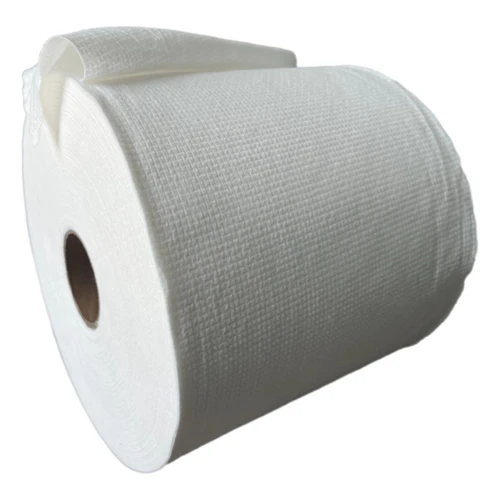
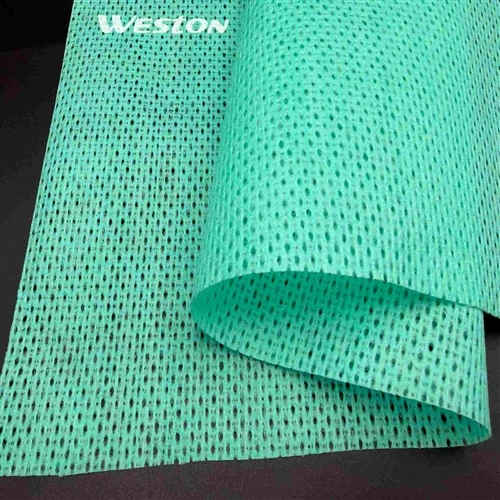
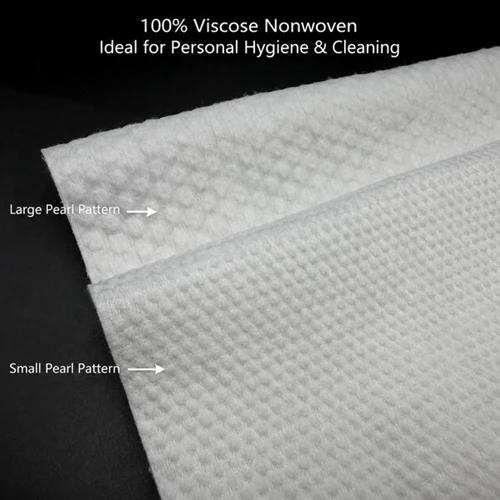
Modern medical curtains have shifted to advanced materials, with Cotton Nonwoven Fabric For Medical Use emerging as a game-changer. This material, crafted through a specialized non-woven process, addresses the shortcomings of traditional fabrics in three key ways:
Antibacterial Performance: The surface of Cotton Nonwoven Fabric For Medical Use is treated with food-grade antibacterial agents that inhibit the growth of pathogenic microorganisms. Tests show that it can reduce bacterial colonization by over 90% compared to ordinary cotton curtains, a critical advantage in preventing cross-infection.
Breathability & Moisture Resistance: Unlike plastic-based non-wovens that trap heat and cause discomfort, cotton non-wovens retain the breathability of natural fibers while repelling liquid droplets. This means they block the spread of saliva or blood splatters without making patients feel stuffy.
Durability in Disinfection: They can withstand repeated exposure to high-temperature water (up to 80°C) and common medical disinfectants (such as chlorine-containing solutions) without shrinking or losing antibacterial properties-essential for curtains that need to be disinfected 2–3 times a week in general wards.
3. Public Health Perspective: Medical Curtains as "Invisible Infection Barriers"
The importance of Medical Partition Curtains extends far beyond privacy protection; they are a frontline tool in hospital infection control-a role that explains why their design and selection are strictly regulated.
In public health terms, hospital wards are "semi-open microbial transmission zones." When a patient coughs or sneezes, droplets carrying pathogens can travel 1–2 meters through the air. Medical Partition Curtains act as physical barriers to slow this spread. A 2023 study in the Journal of Hospital Infection found that wards with properly installed and maintained partition curtains had a 35% lower rate of cross-infection between adjacent beds compared to wards without such curtains.
However, the choice between reusable and disposable curtains involves a trade-off:
Reusable Medical Curtains: Advantages include lower long-term waste generation and cost savings over time (if properly maintained). Disadvantages lie in the risk of "disinfection gaps"-even with strict protocols, fabric fibers can harbor hidden bacteria in crevices, especially if disinfection frequency is reduced due to staffing shortages.
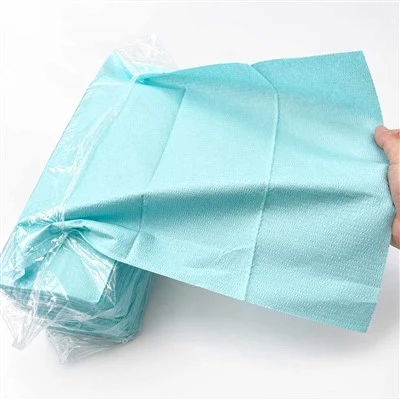
Disposable Curtains: Disposable Curtain for Hospital solves the disinfection gap problem by being discarded immediately after use (or after a single patient's stay, in high-risk areas like infectious disease wards). This eliminates the risk of residual pathogens. The downside is the need for proper disposal of medical waste-curtains must be incinerated or treated in accordance with biomedical waste regulations to avoid environmental contamination.
This trade-off forces hospitals to balance hygiene needs with sustainability-a decision that starts with understanding the core function of Medical Partition Curtains.
4. Hospital Operations: Balancing Functionality and Practicality
For hospital administrators, choosing Medical Partition Curtains is not just a matter of health and safety, but also of operational efficiency. Here's how curtains impact daily workflows:
Maintenance Costs: Reusable curtains require regular laundering, ironing, and replacement (typically every 6–12 months due to wear). This adds labor and water/energy costs. Disposable Curtain for Hospital, by contrast, eliminates laundering steps-nursing staff only need to remove and replace them, saving 2–3 hours of weekly labor per ward.
Adaptability to Scenarios: In emergency departments or temporary isolation units, where patient turnover is high, disposable curtains can be installed and replaced quickly, ensuring each new patient has a sterile environment. Reusable curtains, by contrast, may require time-consuming disinfection between patients, delaying bed turnover.
Complementary with Other Supplies: Medical Partition Curtains often work in tandem with other disposable medical products to enhance efficiency. For example, Disposable Medical Nursing Pads (used to protect beds from fluid damage) and Disposable Curtain for Hospital together reduce the need for frequent bed linen and curtain changes, allowing nurses to focus more on patient care rather than cleaning tasks.

5. Meeting Modern Healthcare Demands: The Role of Disposable Solutions
As healthcare systems worldwide prioritize faster, more hygienic care, disposable Medical Partition Curtains have become an increasingly popular choice. These curtains, often made from Cotton Nonwoven Fabric For Medical Use, combine the breathability of natural materials with the convenience of single-use design.
One example of such solutions comes from Weston Nonwoven, a provider of medical textiles that offers Disposable Curtain for Hospital and Disposable Medical Nursing Pads crafted from high-quality Cotton Nonwoven Fabric For Medical Use. These products meet global medical standards for antibacterial performance and biocompatibility, ensuring they align with the strict requirements of modern healthcare settings. For facilities interested in testing these solutions, free samples are available by contacting info@westonmanufacturing.com-an option that allows hospitals to evaluate practicality before large-scale adoption.
In the end, the question "What are those hospital curtains called?" is more than a request for a name-it's an invitation to recognize the science, health, and operational logic behind a seemingly simple item. Medical Partition Curtains are not just "curtains"; they are a synthesis of materials engineering, public health strategy, and healthcare efficiency. Whether reusable or disposable, their design and use reflect the core goal of medicine: to protect patients, enhance care, and create safer environments for healing.