What Is HDPE Fabric?
HDPE fabric shows up everywhere once you know what to look for-from construction sites and agriculture to protective packaging and medical materials. Yet many buyers still ask the same practical questions: What exactly is it made of? Why is it so durable? And which type should I choose for my application?
Let's break it down in a clear, useful way-no jargon overload, just what actually matters when you're sourcing.

1. What Does HDPE Fabric Mean?
HDPE stands for High-Density Polyethylene, a thermoplastic polymer known for its high strength-to-density ratio. When processed into fabric form, it becomes a lightweight yet tough material that resists moisture, chemicals, and wear.
Unlike traditional textiles, HDPE fabric is engineered, not woven from natural fibers. It can be produced in different structures such as:
Woven (for strength and load-bearing)
Knitted (for flexibility)
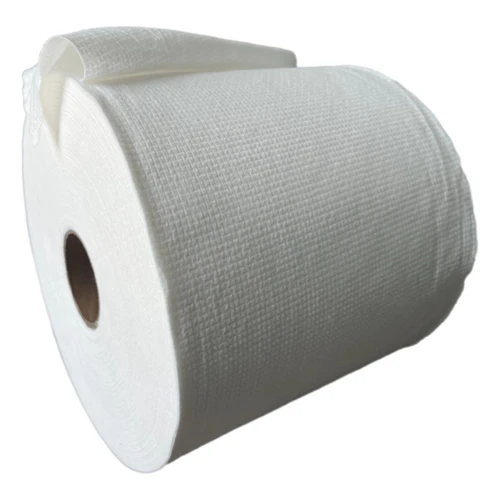
Nonwoven (for filtration, protection, or disposable use)
Among these, nonwoven HDPE has become especially important in modern industrial applications.
2. How Is HDPE Fabric Made?
The manufacturing process depends on the final use, but most HDPE fabrics follow these core steps:
Polymerization – Ethylene is converted into HDPE resin
Extrusion – Melted resin is pushed through spinnerets
Formation – Fibers are arranged into sheets or structures
Bonding – Mechanical, thermal, or chemical bonding creates fabric integrity
For high-performance applications, advanced processes like flash-spinning are used. This is where products like Duprotex Flash-spun HDPE Nonwoven stand out-offering a unique balance of softness, strength, and barrier protection.
3. Key Properties That Matter to Buyers
When evaluating HDPE fabric, buyers usually care less about chemistry and more about performance. Here's what makes it valuable:
|
Property |
What It Means |
Why It Matters |
|
High Strength |
Strong molecular structure |
Handles tension and tearing |
|
Lightweight |
Low density |
Reduces shipping and handling cost |
|
Water Resistance |
Hydrophobic surface |
Ideal for outdoor and protective uses |
|
Chemical Resistance |
Stable polymer |
Suitable for industrial environments |
|
Breathability (nonwoven) |
Micro-porous structure |
Allows air flow while blocking particles |
|
UV Stability (treated) |
Withstands sunlight exposure |
Extends outdoor lifespan |
4. Types of HDPE Fabric You'll Encounter
Not all HDPE fabrics are the same. Choosing the wrong type can lead to overpaying-or worse, product failure.
4.1 Woven HDPE Fabric
Made by interlacing flat tapes
High tensile strength
Used in tarpaulins, bulk bags
4.2 Knitted HDPE Fabric
More flexible structure
Common in shade nets and agriculture
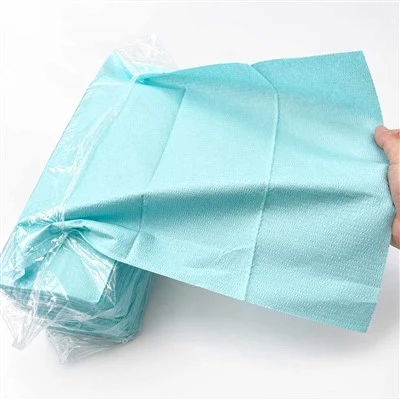
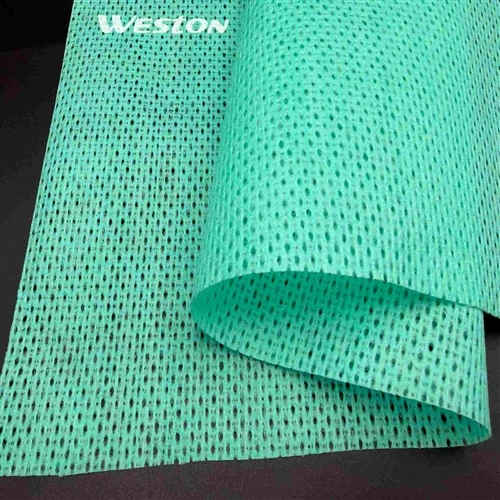
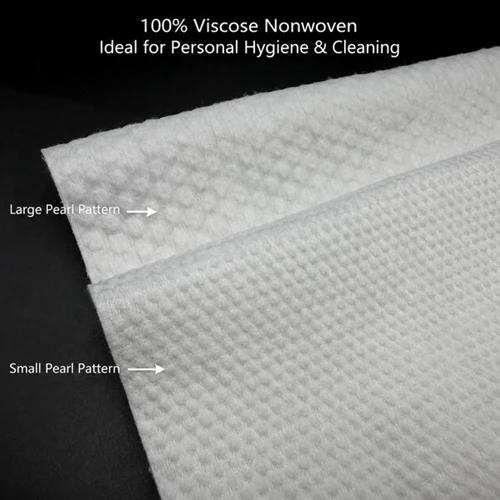
4.3 Nonwoven HDPE Fabric
Random fiber arrangement
Lightweight, breathable, protective
Widely used in medical, packaging, and protective apparel
This is where innovation is happening fastest-especially with engineered materials like Duprotex Flash-spun HDPE Nonwoven, which combines durability with a paper-like texture and excellent barrier performance.
5. Real-World Applications
HDPE fabric isn't just versatile-it's quietly essential across industries:
Industrial & Construction
Protective covers
Vapor barriers
Disposable protective clothing
Agriculture
Crop covers
Weed control mats
Fruit protection
A good example is Color-Coded HDPE Nonwoven Fruit Covers, which help farmers manage crop identification while protecting fruit from insects and weather.
Packaging
Moisture-resistant wrapping
Protective liners
Medical & Hygiene
Disposable garments
Sterile barriers
6. HDPE vs Other Materials
Buyers often compare HDPE with alternatives like PP (polypropylene) or PET. Here's a quick practical comparison:
|
Material |
Strength |
Cost |
Breathability |
Best Use Case |
|
HDPE |
High |
Medium |
Medium–High |
Protection, barriers |
|
PP |
Medium |
Low |
High |
Wipes, hygiene |
|
PET |
Very High |
High |
Low |
Structural textiles |
In short:
Choose HDPE when you need durability + protection + lightweight performance
Choose PP when cost and softness matter more
Choose PET for structural strength

7. What Buyers Often Overlook
Here's where many procurement decisions go wrong:
1. Ignoring Process Differences
Flash-spun HDPE behaves very differently from standard spunbond. It's stronger, more uniform, and better for protective uses.
2. Over-Specifying Strength
Not every application needs maximum tensile strength. Sometimes flexibility and breathability matter more.
3. Missing Customization Options
Color coding, embossing, and layering can significantly improve usability-especially in agriculture and industrial workflows.
That's why working with experienced manufacturers like Weston Nonwoven can make a difference-they can tailor material structure rather than just supply standard rolls.
8. Where HDPE Nonwoven Is Heading
The market is shifting toward:
More functional coatings (antibacterial, UV-resistant)
Sustainability improvements (recyclability focus)
Application-specific design rather than generic materials
Products like Duprotex Flash-spun HDPE Nonwoven and Color-Coded HDPE Nonwoven Fruit Covers reflect this trend-moving from "commodity fabric" to engineered solutions.
9. A Practical Way to Choose the Right HDPE Fabric
If you're sourcing, keep it simple. Ask these three questions:
What environment will it face? (UV, moisture, chemicals)
What performance matters most? (strength, breathability, protection)
Is standard material enough-or do you need engineered nonwoven?
Answer those clearly, and your options narrow down fast.
HDPE fabric isn't complicated once you look at it through a practical lens. It's a material designed to solve problems-whether that's protecting crops, improving packaging reliability, or creating safer industrial environments. The key is choosing the right type, not just the cheapest one.