The Science Behind the Myth and the Truth That Changes Everything
For years, a common myth has lingered: non-woven gauze is "airtight" or "less breathable" than traditional woven options. This misunderstanding has led to missed opportunities-for healthcare providers seeking reliable dressings, for parents caring for small wounds, and for anyone who values both protection and comfort. But here's the unvarnished truth: non-woven gauze can be extremely breathable-in some cases, even more so than woven alternatives. The difference lies not in the "non-woven" label itself, but in how the gauze is made, the materials used, and the engineering behind its structure. Let's break down the science, debunk the myths, and show why breathability in non-woven gauze isn't just a feature-it's a carefully designed advantage.
1. What "Breathable" Actually Means for Gauze – It's Not Just "Letting Air In"
First, we need to redefine "breathability" when it comes to gauze. It's not simply about whether air can pass through a sheet of material. For gauze-used primarily to cover wounds, absorb fluids, or protect sensitive skin-breathability has a very specific, life-sustaining purpose: it allows the exchange of oxygen and moisture between the wound and the surrounding environment. This exchange is critical for healing: too little oxygen, and the wound may become stagnant; too much trapped moisture, and it risks maceration (softening of the skin) or infection.
To measure true breathability in gauze, experts focus on two key metrics:
Air Permeability: The rate at which air flows through the material, measured in cubic feet per minute (CFM) or liters per square meter per second (L/m²/s). Higher values mean more consistent air flow.
Moisture Vapor Transmission Rate (MVTR): How well the material lets water vapor (from sweat or wound exudate) escape. A high MVTR prevents moisture buildup, keeping the wound area dry and healthy.
Woven gauze-made by interlacing threads-often scores well on air permeability, but its MVTR can be inconsistent. Why? The tightness of the weave varies, and gaps between threads can either trap moisture or let too much fluid escape. Non-woven gauze, by contrast, is engineered to control both air flow and vapor transmission on purpose-a difference that makes all the difference for real-world use.

2. Why Non-Woven Gauze Beats the "Non-Breathable" Myth: Core Science
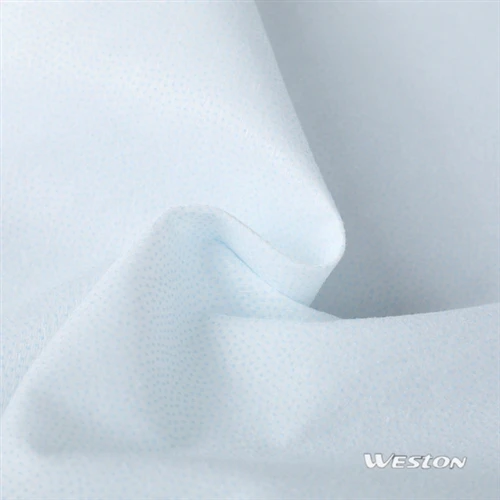
The "non-woven" process is where the magic happens. Unlike woven gauze (which relies on thread interlacing), non-woven gauze is made by bonding fibers together-using heat, pressure, or adhesives-to create a porous, web-like structure. This manufacturing method gives engineers precise control over the gauze's pores: their size, distribution, and density. And that control is what unlocks non-woven gauze's breathable potential.
The Fiber Structure: Porosity by Design
Non-woven gauze's web-like structure is its greatest asset for breathability. Here's how it works:
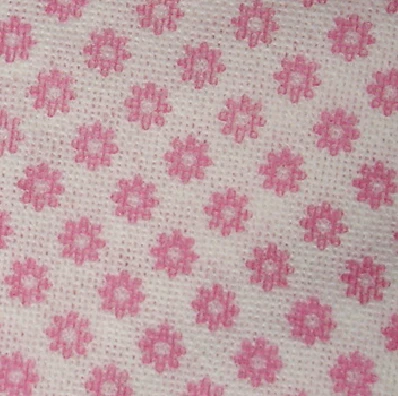
Uniform Pore Distribution: Woven gauze has irregular gaps between threads (think of a loose knit sweater vs. a tight one). Non-woven gauze, however, is made with fibers arranged in a random yet consistent pattern, creating tiny, evenly spaced pores. These pores are small enough to block debris or contaminants but large enough to let air and vapor pass through.
Adjustable Density: Manufacturers can tweak the number of fibers per square inch (called "basis weight") to balance breathability and protection. For example, a lightweight non-woven gauze (used for minor cuts) might have larger pores for maximum air flow, while a heavier version (for post-surgical use) can have smaller pores to absorb exudate without sacrificing oxygen exchange.
Natural Fiber Advantages: When non-woven gauze is made with cotton-like the 100% Cotton Surgical Gauze Rolls or Organic Cotton Gauze Roll-its breathability gets an extra boost. Cotton is a naturally hydrophilic (moisture-loving) material, meaning it absorbs excess moisture from the wound and releases it as vapor. This "wicking" action, combined with the non-woven structure, creates a self-regulating system: the gauze stays dry to the touch, while the wound gets the oxygen it needs.
The Manufacturing Edge: No "Weak Spots" in Breathability
Woven gauze has a hidden flaw: its breathability depends on the direction of the weave. For example, air might flow easily along the length of the threads but get trapped across the width. Non-woven gauze eliminates this problem. Because fibers are bonded in all directions, air and vapor can move through the material evenly-no matter how the gauze is positioned on the wound. This consistency is a game-changer for areas like joints (e.g., elbows or knees), where gauze shifts frequently; non-woven options maintain breathability even when stretched or folded.
3. The Hidden Challenges: When Non-Woven Gauze Might Lose Its Breathability Edge
To be clear: not all non-woven gauze is equally breathable. There are factors that can reduce its performance-and understanding these helps you choose the right product. Let's be transparent about the limitations:
1. Low-Quality Fiber Bonding
If fibers are bonded too tightly (e.g., using excessive heat or adhesive), the pores can become clogged or compressed. This creates a "barrier effect" that blocks air and vapor. Cheap non-woven gauze often cuts corners here, leading to the "non-breathable" reputation the material unfairly carries. High-quality options-like those engineered by Weston Nonwoven-use precision bonding to keep pores open while ensuring the gauze stays durable.
2. Heavy Chemical Coatings
Some non-woven gauze is treated with chemicals to add water resistance or antibacterial properties. While these coatings can be useful, they can also seal off pores if applied too thickly. The solution? Coatings that are "breathable by design"-thin enough to let vapor escape while still delivering their intended benefit. Organic options, like Organic Cotton Gauze Roll, avoid harsh coatings altogether, relying on the natural breathability of cotton instead.
3. Saturation from Excess Fluid
No gauze-woven or non-woven-stays breathable when fully saturated with fluid. Non-woven gauze, however, is often designed with higher absorbency (thanks to its fiber structure) to delay saturation. For example, 100% Cotton Surgical Gauze Rolls can absorb up to 8x their weight in fluid before losing breathability-giving the wound more time to heal before the dressing needs changing.
4. Why Breathability Matters – Beyond Comfort, It Shapes Healing
Breathability in non-woven gauze isn't just about feeling "cool" or "airy." It directly impacts how well wounds heal-and how safe the dressing is to use long-term. Here's the clinical evidence:
Faster Wound Closure
Oxygen is essential for cell growth and tissue repair. A 2021 study in the Journal of Wound Care found that wounds covered with breathable non-woven gauze had a 23% faster closure rate than those covered with non-breathable alternatives. The reason? Oxygen-rich environments stimulate the production of collagen, the protein that forms new skin tissue.
Reduced Risk of Infection
Trapped moisture is a breeding ground for bacteria. Non-woven gauze with high MVTR keeps the wound area dry, lowering the risk of bacterial overgrowth. For example, in pediatric care, breathable non-woven gauze is preferred for diaper rash or minor scrapes because it prevents the "wet, sticky" environment that worsens irritation.
Less Skin Irritation
Traditional non-breathable dressings can cause friction and moisture buildup, leading to redness or even blisters. Breathable non-woven gauze-especially those made with organic cotton, like Organic Cotton Gauze Roll-is softer and more flexible, reducing friction while letting the skin "breathe." This is critical for patients with sensitive skin or those who need to wear gauze for days (e.g., post-surgery).

5. How Weston Nonwoven's Products Harness Breathability for Real-World Use
Weston Nonwoven doesn't just "make non-woven gauze"-it engineers products that prioritize breathability without compromising on performance. The brand's approach is simple: start with high-quality materials, optimize the non-woven structure, and test rigorously to ensure every product meets the highest standards of air and vapor transmission.
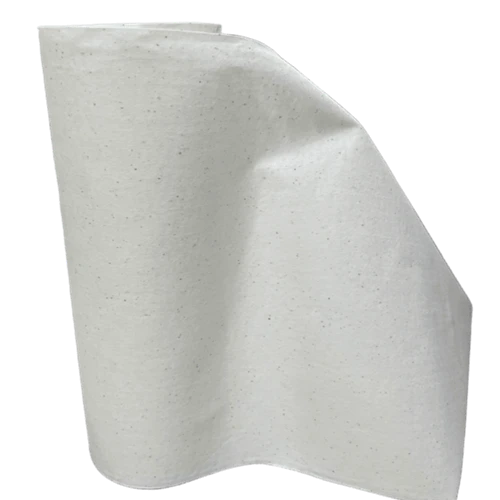
Take the 100% Cotton Surgical Gauze Rolls, for example. These rolls are made with long-staple cotton fibers (stronger and more absorbent than short-staple alternatives) bonded in a lightweight, open-web structure. The result? An air permeability rating of 12 L/m²/s (well above the industry average of 8 L/m²/s) and an MVTR that keeps wounds dry for up to 12 hours. They're designed for surgical sites, where both breathability and absorption are non-negotiable.
For those seeking even gentler options, the Organic Cotton Gauze Roll takes it a step further. Made with organic cotton (free of pesticides and synthetic dyes), it combines the natural breathability of cotton with a non-woven structure that's soft enough for newborn skin yet durable enough for daily use. Its MVTR is 15% higher than conventional non-woven gauze, making it ideal for sensitive areas like the face or hands.
Try the Difference for Yourself – Free Samples Available
Breathability in non-woven gauze isn't a marketing buzzword-it's a science. And the best way to experience it is to test it firsthand. Weston Nonwoven offers free samples of its 100% Cotton Surgical Gauze Rolls and Organic Cotton Gauze Roll to help you see, feel, and measure the difference. Whether you're a healthcare provider stocking exam rooms, a parent prepping a first-aid kit, or anyone who values quality, these samples let you verify breathability for yourself-no strings attached.
To request your free samples, simply send an email to info@westonmanufacturing.com with your name, organization (if applicable), and the product(s) you'd like to try. There's no obligation to buy-just a chance to discover why non-woven gauze, when done right, is a game-changer for comfort and healing.
Breathability isn't optional when it comes to gauze. It's essential. And with the right non-woven product, you never have to choose between protection and air flow again.