Scent or No Scent? Choosing the Right Disposable Kitchen Wipes for Your Home
Walk into any store and you will see shelves of kitchen wipes labeled "lemon fresh," "ocean breeze," or "unscented." It looks like a small choice, but it connects directly to how safe, comfortable, and practical your kitchen cleaning routine really is. This is not just about smell. It is about what stays on your surfaces, what goes into the air, and how well the product actually works.

What Scent Really Adds-and What It Doesn't
Scented kitchen wipes are designed to create a feeling of freshness. The fragrance can cover odors from food waste, oil, or raw ingredients. This can be helpful in busy kitchens where smells build up quickly.
However, fragrance does not improve cleaning ability. The real cleaning work comes from the base material and the cleaning agents, such as surfactants that break down grease and lift dirt. A wipe that smells strong but leaves residue or spreads grease is not doing its job well.
In fact, many people mistake a "clean smell" for a clean surface. These are not the same thing.
The Real Benefits of Scented Wipes
There are practical situations where scented wipes make sense:
After handling strong-smelling foods like fish or garlic
When cleaning trash bins or areas with lingering odors
In shared spaces where a fresh smell improves comfort
In these cases, scent acts as a short-term odor control tool. It can make the kitchen feel more pleasant and encourage more frequent cleaning, which is a good habit.
The Less Obvious Downsides
Scented products come with trade-offs that are easy to overlook:
Fragrance chemicals can cause mild irritation, especially for people with sensitive skin or allergies
Residue from scented wipes may remain on countertops where food is prepared
Strong scents can mix with cooking aromas and create an unpleasant environment
In smaller kitchens with limited ventilation, these effects become more noticeable. What starts as "fresh" can quickly feel heavy or artificial.
Why Unscented Wipes Are Often the Safer Default
Unscented or fragrance-free wipes focus on function. They are designed to clean without adding extra substances to the environment.
This matters most in areas where food is directly handled. Cutting boards, countertops, and dining surfaces should stay as neutral as possible. Using fragrance-free products reduces the chance of chemical transfer to food.
It is also important to understand labeling:
"Unscented" may still contain masking agents
"Fragrance-free" usually means no added fragrance at all
For households with children, pets, or sensitive individuals, fragrance-free is often the more reliable choice.
Material Matters More Than Scent
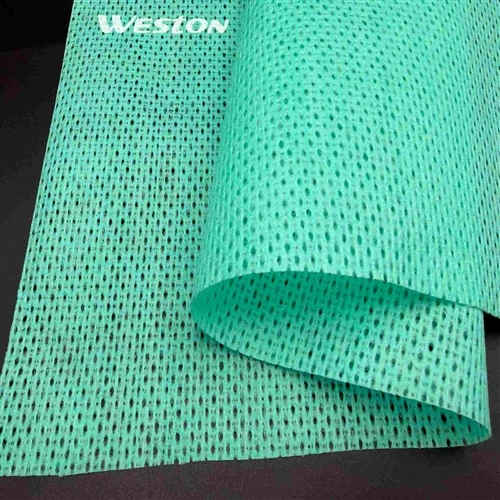
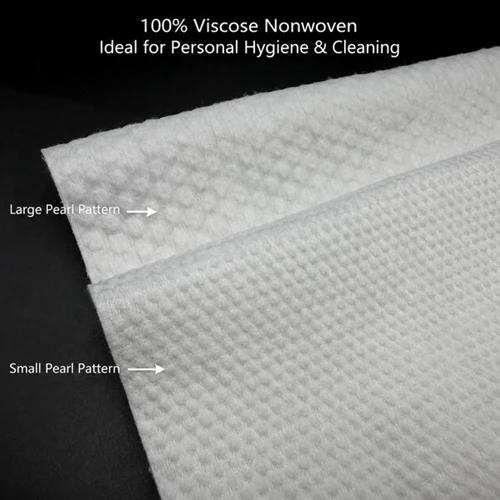
One factor people often ignore is the wipe material itself. The base fabric determines how well the wipe absorbs liquid, removes grease, and holds together during use.
High-quality spunlace nonwoven fabric is commonly used in better kitchen wipes. It offers:
Strong absorption for spills and oil
Soft texture that does not scratch surfaces
Good durability, even when wet
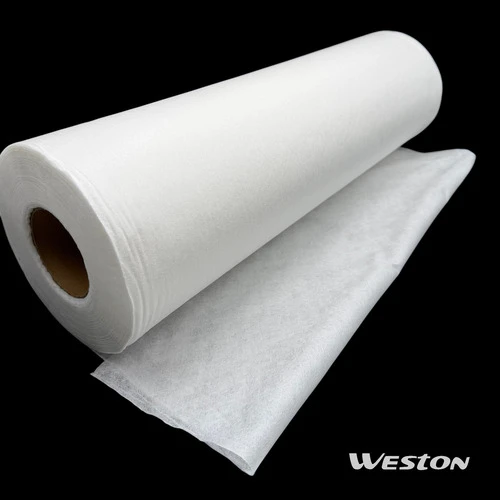
For example, Commercial-Grade Reusable Kitchen Wipes Roll products made from spunlace nonwoven fabric can handle repeated wiping tasks without tearing easily. This makes them more efficient and reduces waste compared to thin, low-quality wipes.
Wet Wipes vs Dry Wipes
Kitchen wipes generally fall into two types:
Kitchen Wet Wipes come pre-moistened with cleaning solution. They are convenient and ready to use, especially for quick cleanups.
Dry wipes require you to add water or cleaning liquid. They offer more control over what chemicals you use and how much.
If you prefer a simple routine, wet wipes are practical. If you want more control over ingredients, dry wipes are a better option.

Safety Should Not Be Optional
When choosing kitchen wipes, safety claims matter more than scent labels. Look for:
- Food-contact safety certification
- No harmful residues such as formaldehyde
- Skin-friendly materials
Some manufacturers, such as Weston Nonwoven, produce spunlace wipes with food contact certification and no added formaldehyde. This type of baseline safety is more important than whether the wipe smells like citrus or nothing at all.
A Practical Way to Decide
Instead of focusing only on scent, think about how you actually use wipes in your kitchen:
- For daily countertop cleaning → choose fragrance-free, high-quality material
- For odor-heavy tasks → use lightly scented wipes occasionally
- For frequent cooking environments → prioritize safety and residue-free performance
You do not need one perfect wipe for everything. A simple combination often works better.
A Quiet Shift in Preference
More households are moving toward low-scent or no-scent cleaning products. This is not a trend driven by marketing, but by experience. People notice that fewer additives often mean fewer problems.
At the same time, improvements in materials-like spunlace nonwoven fabric-are making wipes more effective without relying on strong fragrances. Products such as Kitchen Wet Wipes or reusable roll formats are evolving to balance convenience, safety, and performance.
Clean Is About Results, Not Smell
A kitchen should feel clean because it is clean, not because it smells a certain way. Scent can be helpful in specific situations, but it should never be the main reason you trust a product.
If a wipe removes grease, leaves no harmful residue, and feels safe to use around food, it is doing its job. Everything else is secondary.