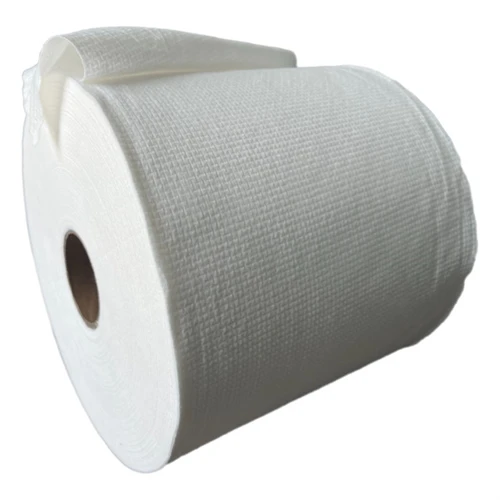
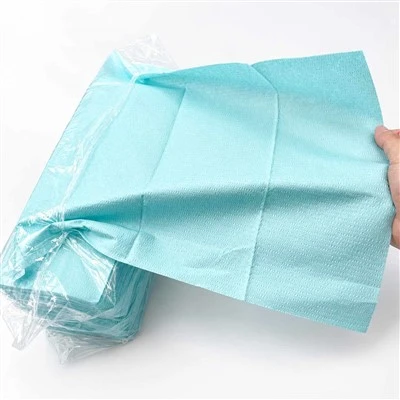
The shift toward sustainable personal care is no longer a niche movement. It is a practical response to how everyday products impact both skin and environment. Among these products, biodegradable pads-especially makeup and skincare pads-offer a clear entry point for brands looking to build a more responsible product line without overcomplicating their supply chain.
This article breaks down what biodegradable pads really are, how materials and manufacturing affect their performance, and where private label opportunities are emerging.
Understanding What "Biodegradable" Actually Means
Not All Natural-Looking Products Decompose
Many products labeled as "natural" still contain synthetic fibers. These blends can slow down or prevent proper decomposition. True biodegradability depends on:
- Fiber origin (plant-based vs. petroleum-based)
- Manufacturing process
- Presence or absence of chemical binders
A pad that looks soft and cotton-like may still contain plastic components that persist in the environment for years.

The Role of Fiber Structure
Biodegradation is not just about the raw material. It also depends on how fibers are bonded. For example:
- Mechanically bonded fibers (like spunlace) break down more easily
- Chemically bonded materials often resist decomposition
This is why fabric structure matters just as much as fiber content.
Bamboo Spunlace Nonwoven Fabrics: A Practical Alternative
What Makes Bamboo Fiber Relevant
Bamboo is widely used in nonwoven materials because it grows quickly and requires fewer resources than traditional crops. When processed into spunlace fabric, it offers:
- A renewable raw material source
- Naturally soft texture
- Good moisture absorption
Why Spunlace Technology Matters
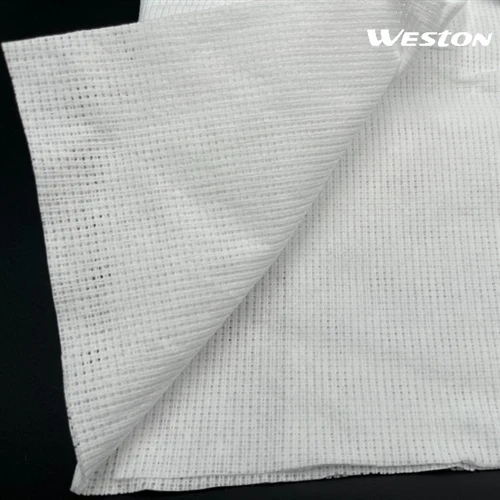
Spunlace (hydroentanglement) uses high-pressure water jets to bond fibers together. This process avoids synthetic adhesives, which improves both skin compatibility and environmental performance.
Bamboo Spunlace Nonwoven Fabrics combine these advantages:
- No added chemical binders
- Stable yet flexible structure
- Suitable for both dry and wet applications
This makes them a strong candidate for biodegradable pads designed for daily use.
Redefining Softness for Sensitive Skin
Softness Is Not Just a Feeling
For sensitive skin, softness involves more than touch. It includes:
- Low friction during use
- Minimal fiber shedding
- Consistent surface texture
- Rough or unstable pads can cause repeated micro-irritation, especially when used with toners or cleansers.
Performance in Real Use
A well-designed pad should:
- Absorb liquid evenly
- Release product efficiently onto the skin
- Maintain shape during use
This balance reduces waste and improves the overall skincare routine.
Material Innovation and Product Consistency
Why Nonwoven Materials Are Gaining Ground
Compared to traditional cotton pads, engineered nonwoven fabrics offer:
More uniform fiber distribution
Controlled thickness and density
Better scalability in production
This consistency is especially important for private label brands aiming to deliver reliable quality across batches.
Expanding Material Options
Modern nonwoven manufacturers can offer a range of plant-based and biodegradable materials, such as:
- Bamboo and cotton blends
- Lyocell fibers
- PLA (polylactic acid)
- Wood pulp-based flushable materials
- Fully plant-based fiber combinations
These options allow brands to tailor products based on cost, performance, and environmental positioning.

Private Label Opportunities in Biodegradable Pads
A Low-Barrier Entry into Sustainable Products
Biodegradable pads are relatively simple to develop compared to complex skincare formulations. This makes them ideal for:
Launching a sustainable sub-line
Testing consumer response to eco-friendly products
Building brand credibility without high R&D costs
Customization as a Differentiator
Private label success often depends on small but meaningful differences:
- Pad thickness and texture
- Embossing patterns
- Packaging materials
- Dry vs. pre-moistened formats
These details shape both user experience and brand identity.
A Note on Manufacturing Standards
Behind every reliable biodegradable pad is a controlled production process. Factors that matter include:
Clean production environments
Chemical safety (e.g., no formaldehyde)
Certifications for skin and even food contact safety in some cases
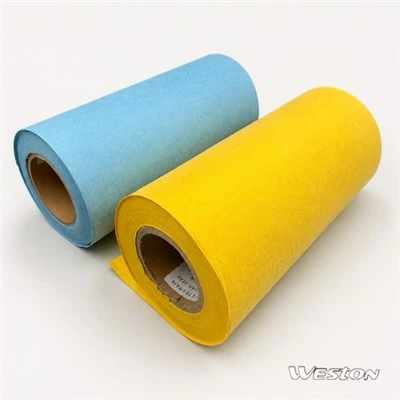
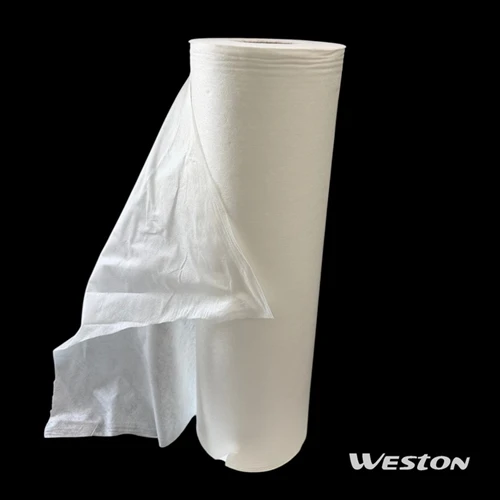
Some specialized manufacturers, such as Weston Nonwoven, focus on spunlace nonwoven production and offer customizable fabric rolls for a wide range of applications, including wipes and cosmetic pads. Their material portfolio covers bamboo, cotton, lyocell, PLA, and wood pulp-based options, all designed with safety and compliance in mind. This type of flexibility supports brands that want to scale without constantly changing suppliers.
Making Sustainability Practical, Not Performative
Sustainability works best when it is built into the product itself, not just the marketing. For biodegradable pads, that means:
- Choosing fibers that can realistically break down
- Avoiding unnecessary chemical treatments
- Ensuring the product performs well in daily use
- Consumers are becoming more informed. They are less interested in broad claims and more focused on what a product is made of and how it behaves over time.
- A well-designed biodegradable pad does not need exaggerated promises. It simply needs to do its job-gently, consistently, and with less long-term impact.