Should You Clean Floors or Surfaces First?
This question comes up in almost every home, yet people rarely stop to think about it. Many clean based on habit, not on how dirt actually behaves. The result is often the same: you clean one area, and another gets messy again right after.
If the goal is not just to clean, but to clean effectively, then the order matters more than most people expect.
Why Cleaning Order Is Not Just a Detail
Cleaning is not only about effort. It is about direction.
Dust, crumbs, and small particles do not stay where they are. Once disturbed, they move. Most of the time, they fall downward. This is not a theory-it is simple observation. Wipe a shelf, and you will often find fine dust settling below it minutes later.
This means cleaning is not random work. It is a process that follows a natural flow.
If you ignore that flow, you repeat work. If you follow it, cleaning becomes faster and more controlled.
The Core Rule: Work From Top to Bottom
The most reliable method is simple:
Start with surfaces. Finish with the floor.
This is not about preference. It is based on how gravity affects dust and debris.
When you clean higher areas first, anything that falls will be collected later when you clean the floor. If you reverse the order, you risk undoing your own work.
What "Surfaces" Really Include
The word "surfaces" is often misunderstood. It does not only mean obvious places like tables.
In practical terms, surfaces include:
Shelves and storage units
Kitchen counters
Cabinet tops
Appliances
Window ledges
Desks and furniture
These areas collect dust over time. When cleaned, they release particles into the air, which then settle below.
Even soft movements-like wiping with a cloth-can shift dust that was not visible before.
A Practical Cleaning Sequence That Works
A clear structure helps avoid confusion. Here is a grounded and effective approach:
1. Remove Clutter First
Before cleaning anything, clear the space. Move objects, organize items, and remove trash. Cleaning around clutter spreads dirt rather than removing it.
2. Clean High Surfaces
Start with the highest points:
Top shelves
Upper cabinets
Light fixtures
Dust here tends to fall the farthest, so it should be handled first.
3. Move to Mid-Level Areas
Next, clean areas you use more often:
Tables
Countertops
Appliances
At this stage, most falling dust is already moving downward.
4. Clean Lower Surfaces
This includes:
Chairs
Lower cabinets
Baseboards
By now, loose particles are closer to the floor.
5. Finish with the Floor
Vacuum or sweep first, then mop if needed. This step collects everything that has settled during the earlier stages.
Why Cleaning Floors First Often Fails
Cleaning floors at the beginning may feel productive, but it creates a hidden problem.
When you later wipe a table or dust a shelf:
Fine particles fall onto the floor again
Air movement spreads dust further
The floor loses its clean state quickly
This leads to repeated cleaning, which wastes both time and energy.
In contrast, finishing with the floor completes the process in one direction.
When the Rule Can Be Adjusted
Real-life situations are not always ideal. There are moments when the usual order needs to change.
Heavy Dirt on the Floor
If the floor has visible dirt like sand or mud, a quick pre-clean can help. Remove the bulk first, then continue with surfaces, and return to the floor for a final clean.
Spills and Safety
Liquids or sticky substances should be cleaned immediately. Waiting can cause stains or accidents.
Focused Cleaning Tasks
If you are only cleaning one area, such as a kitchen counter, there is no need to follow a full sequence.
These adjustments are practical, not exceptions to the logic.
Materials Also Affect the Result
Cleaning is not only about order. The materials you use also shape the outcome.
For example, some cloths push dirt around instead of capturing it. Others may leave residue or break down quickly after use.
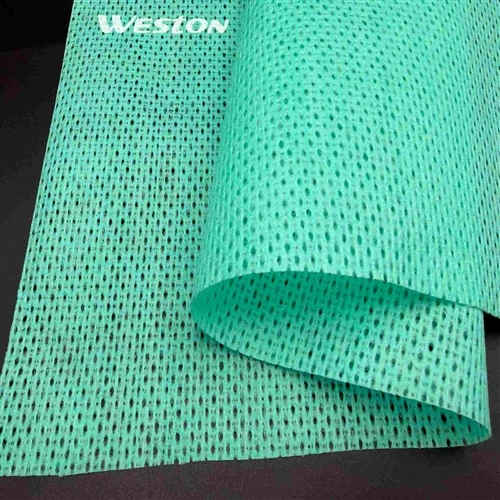
This is where nonwoven materials have become more common. They are designed to trap particles more effectively and maintain structure during use.
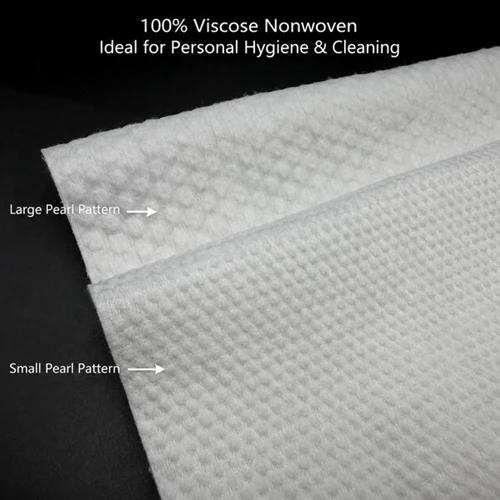
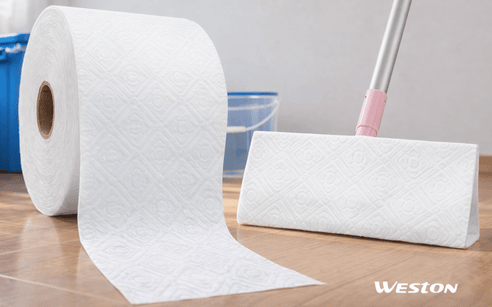
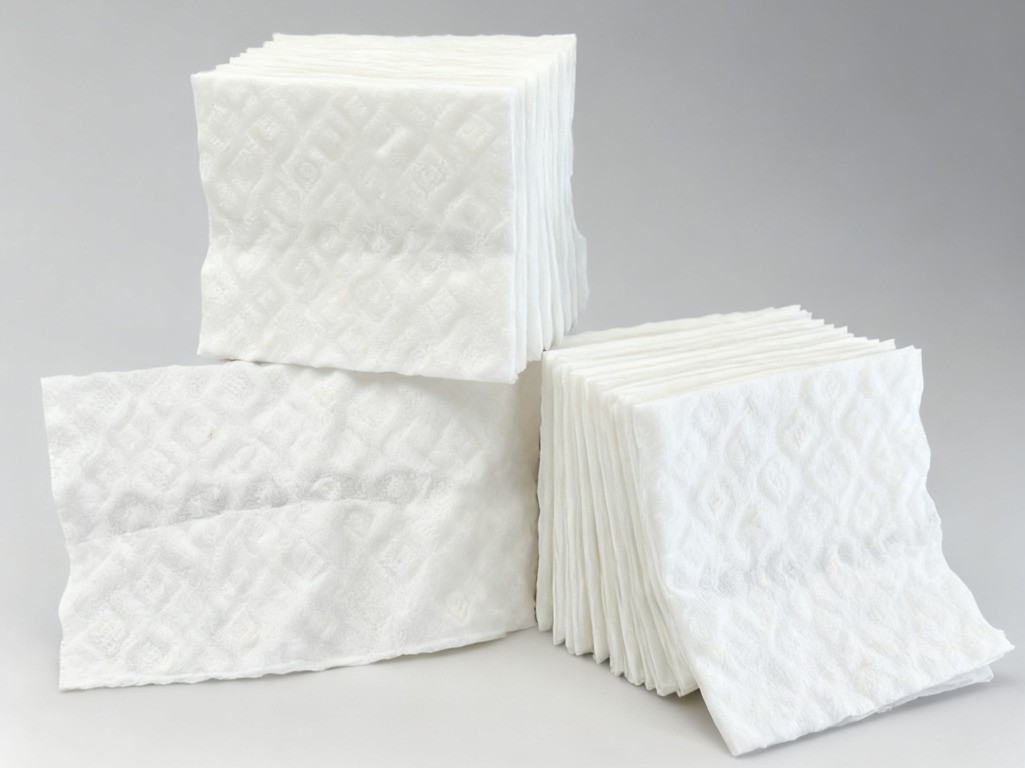
A good example is Nonwoven Embossed Floor Mop Cloths, which are made to improve absorption and contact with the floor surface. Their embossed texture helps pick up fine debris that flat materials may miss.
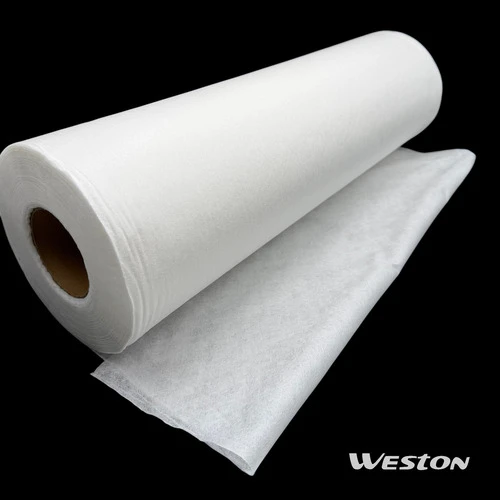
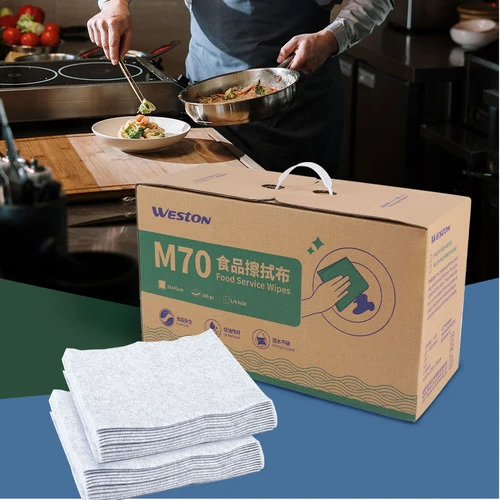
Behind such products, manufacturers like Weston Nonwoven focus on developing spunlace (hydroentangled) nonwoven fabrics that balance strength, softness, and usability. Weston Nonwoven provides a range of options with different materials and weights, including biodegradable nonwoven solutions designed to reduce environmental impact without compromising performance.
This does not replace good cleaning habits-but it supports them.
Small Changes, Clear Results
Changing the order of cleaning may seem minor, but it has a visible effect.
When you:
Clean from top to bottom
Follow the natural movement of dust
Use materials that capture rather than spread dirt
you reduce repeated effort.
The space stays clean longer, and the process becomes more predictable.
A Simple Habit That Sticks
Cleaning does not need to be complicated. It works best when it follows simple, observable rules.
Dust falls. Dirt moves. Work with that, not against it.
So the next time you clean, remember:
Start with what is above you.
End with what is under your feet.