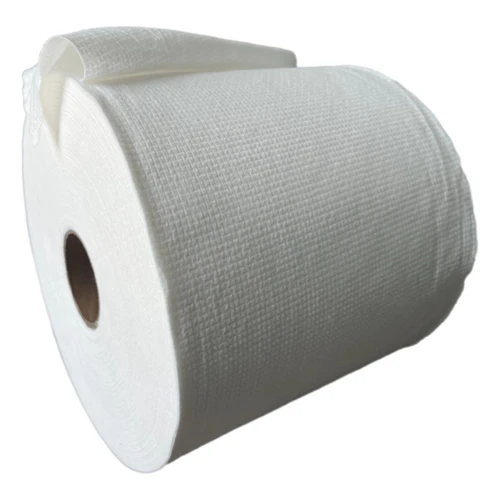
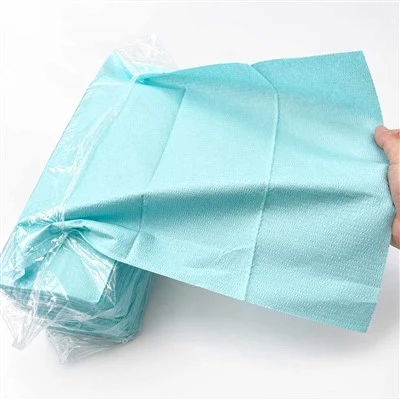
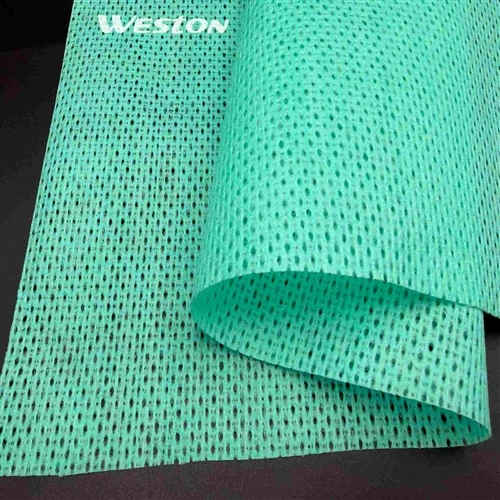
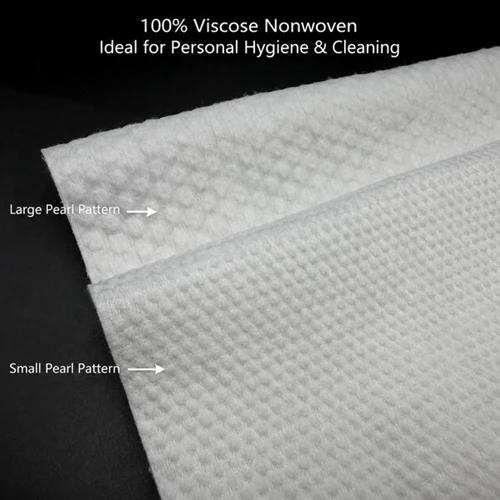
Non-woven wound dressings have revolutionized the field of medical care, providing innovative solutions for wound management. These dressings are made from synthetic fibers, produced through processes that do not involve weaving. As a result, they offer unique properties that make them highly effective in promoting healing and preventing infection. This article delves into the characteristics, advantages, disadvantages, and applications of non-woven wound dressings while subtly integrating products from Weston Nonwoven.

Understanding Non-Woven Materials
Non-woven fabrics are composed of fibers that are bonded together through mechanical, thermal, or chemical processes. The absence of a traditional weaving process allows for the creation of materials that are lightweight, breathable, and adaptable to various medical applications. Non-woven wound dressings are particularly designed to absorb exudate, protect the wound from external contaminants, and facilitate healing.
Advantages of Non-Woven Wound Dressings
1. Enhanced Absorbency
One of the primary benefits of non-woven wound dressings is their superior absorbency. They can effectively manage wound exudate, reducing the risk of maceration around the wound site. This is particularly important for patients with moderate to high exudate wounds, as excessive moisture can hinder the healing process.
2. Breathability
Non-woven dressings allow for airflow, which is essential for wound healing. Adequate oxygen supply to the wound area promotes cellular regeneration and reduces the likelihood of infection. This breathability also contributes to patient comfort, as it minimizes the risk of skin irritation.
3. Reduced Risk of Infection
These dressings provide an effective barrier against bacteria and other pathogens. Their non-woven structure, combined with antimicrobial treatments, can significantly lower the risk of infection, especially in surgical and chronic wounds.
4. Versatility
Non-woven wound dressings come in various forms, including pads, rolls, and specialty shapes tailored for specific wound types. This versatility makes them suitable for a wide range of applications, from surgical sites to chronic ulcers.
5. Easy Application and Removal
The design of non-woven dressings facilitates easy application and removal. They can be placed directly on the wound without the need for additional adhesives, reducing trauma during dressing changes.
Disadvantages of Non-Woven Wound Dressings
1. Cost Considerations
While non-woven dressings offer numerous benefits, they can be more expensive than traditional woven alternatives. This cost may be a barrier for some healthcare facilities, especially in resource-limited settings.
2. Limited Reusability
Most non-woven dressings are designed for single-use, which can contribute to increased medical waste. In contrast, woven dressings can often be sterilized and reused, making them more environmentally friendly in some cases.
3. Potential for Adhesion
In certain cases, non-woven dressings may adhere to the wound bed, making removal painful for the patient. This adhesion can be particularly problematic for wounds with a significant amount of necrotic tissue.
Applications of Non-Woven Wound Dressings
Non-woven wound dressings are widely used across various medical settings, including hospitals, outpatient clinics, and home healthcare. Their applications include:
1. Surgical Wounds
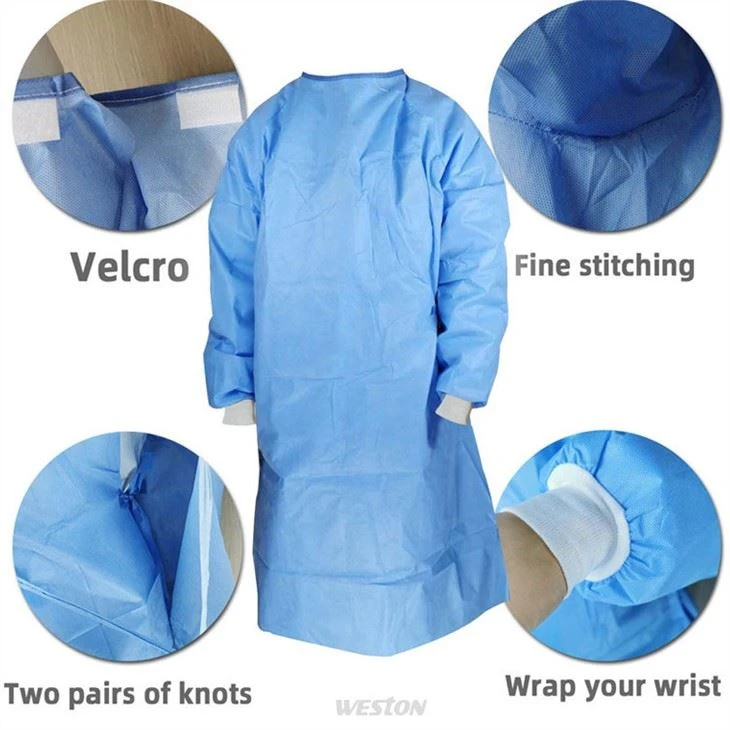
Non-woven dressings are often employed in post-operative care to protect surgical sites. Products such as Pulp and Polyester Surgical Gowns and Smmms Anti-blood Anti-alcohol Surgical Gowns from Weston Nonwoven are specifically designed to maintain a sterile environment during surgical procedures.
2. Chronic Wounds
For patients with chronic wounds, such as diabetic ulcers or pressure sores, non-woven dressings provide the necessary moisture balance and protection against infection. Their ability to manage exudate makes them ideal for these challenging wound types.
3. Burns and Trauma
In the case of burns or traumatic injuries, non-woven dressings offer gentle coverage while allowing the wound to breathe. They can be used as part of a comprehensive burn care protocol to promote healing and minimize scarring.
4. Pediatric Care
Non-woven dressings are particularly beneficial in pediatric care, where gentle and effective wound management is crucial. Their soft texture and ease of application help reduce anxiety in young patients during dressing changes.
As we explore the world of non-woven wound dressings, it's clear that their unique properties offer substantial benefits for both patients and healthcare providers. While there are some disadvantages to consider, the advantages often outweigh them, especially in critical care scenarios.
Healthcare facilities looking for reliable and innovative wound care solutions can consider products from Weston Nonwoven, including Nonwoven Medical Protective Clothing Fabric. For those interested, Weston Nonwoven offers free samples to help healthcare providers assess their products. For inquiries, you can reach out via email at info@westonmanufacturing.com.
In summary, non-woven wound dressings represent a significant advancement in wound management, combining efficacy with patient comfort. As the medical field continues to evolve, these dressings will play a pivotal role in enhancing patient outcomes and promoting healing.