Gauze stands as an indispensable material in medicine, wound care, and hygiene applications. Its simple yet versatile structure makes it a go-to choice for healthcare professionals, first responders, and caregivers alike. Yet not all gauze is created equal. Understanding the two primary categories-woven gauze and nonwoven gauze-is crucial for ensuring optimal performance, patient comfort, and infection control.

Woven Gauze: Tradition Meets Breathability
Woven gauze has been a staple in medical settings for decades. Crafted by interlacing threads in a crisscross pattern, this gauze offers a distinctive combination of strength and porosity.
Key Characteristics
Breathability and Absorbency
The open mesh structure allows air circulation, promoting faster wound healing by reducing moisture buildup. It also boasts high absorbency, making it suitable for moderate to heavy exudate.
Reusability
After sterilization, woven gauze can often be reused. This makes it a cost-effective option in settings where resources are limited and sterilization processes are in place.
Flexibility
Its supple texture adapts easily to body contours, providing a snug fit on joints and irregular surfaces without constraining movement.
Benefits
Optimal Wound Healing Environment
By permitting airflow around the wound, woven gauze helps maintain a balanced moisture level that prevents maceration while reducing bacterial growth.
Adaptability
Healthcare providers appreciate its pliability, which allows for layering, cutting, and custom dressing configurations.
Economic Advantage
In institutions equipped with reliable sterilization, the reusability factor cuts down on recurring material costs.
Drawbacks
Linting and Fiber Residue
The loose weave can shed fibers, potentially irritating sensitive tissues or contaminating wounds.
Sterilization Challenges
Repeated laundering or autoclaving may degrade fabric integrity over time, reducing absorbency and strength.
Bulk and Thickness
Compared to nonwoven options, woven gauze can be thicker and bulkier, sometimes creating unnecessary padding.
Nonwoven Gauze: Innovation for Precision Care
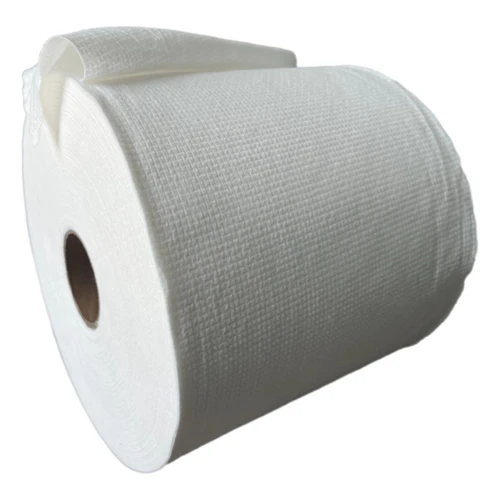
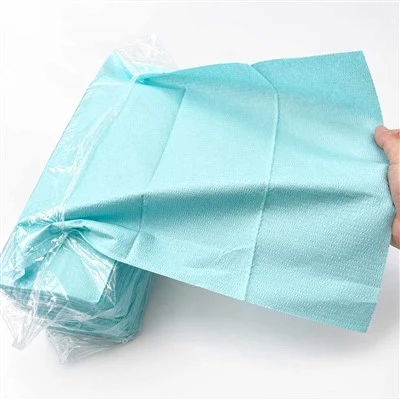
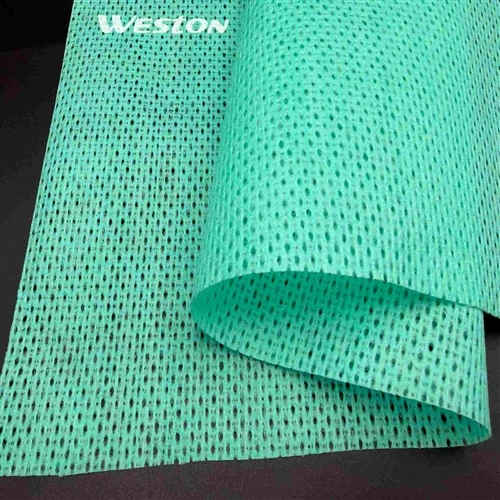
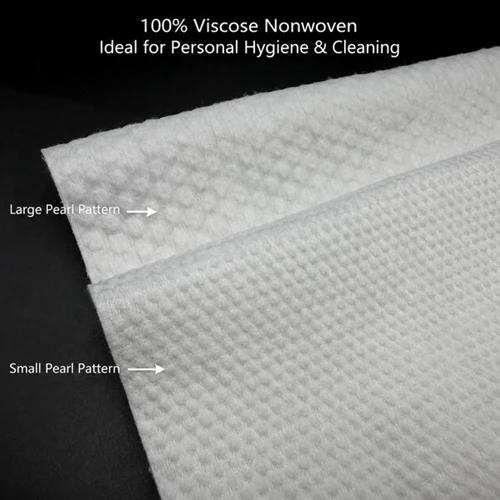
Nonwoven gauze, a product category embraced and advanced by Weston Nonwoven factory, represents a modern alternative. Manufactured via bonding fibers together through heat, chemicals, or mechanical entanglement, nonwoven gauze offers uniform consistency and engineered performance.
Core Features
Consistent Fiber Matrix
Instead of a grid-like structure, fibers are randomly oriented, resulting in uniform distribution of absorbent material and strength throughout.
Low Linting
The bonded fibers minimize loose strands, dramatically reducing the risk of fiber remnants in a wound bed.
Thin, High-Performance Layers
Nonwoven gauze can achieve high absorbency and tensile strength in a thinner profile, streamlining dressing changes and reducing bulk.
Advantages
Enhanced Patient Comfort
The soft, smooth surface glides over wounds without snagging, easing dressing application and removal.
Superior Cleanliness
Low linting and the absence of loose threads make nonwoven gauze a top choice in surgical and critical care environments.
Customizable Absorbency
Weston Nonwoven's proprietary bonding techniques allow for gauze variants tailored to light, moderate, or heavy exudate needs.
Single-Use Reliability
Designed for disposable applications, nonwoven gauze eliminates cross-contamination risks inherent in reusable textiles.
Limitations
Environmental Considerations
Single-use disposables contribute to medical waste. While Weston Nonwoven factory employs eco-conscious sourcing and production, users should still weigh disposal practices.
Cost Factor
Upfront costs may be higher than traditional woven gauze, especially in high-volume settings. However, reduced labor for sterilization and lower infection risks often justify the investment.
Heat Sensitivity
Certain nonwoven materials can degrade if exposed to high temperatures, ruling out repeated autoclave cycles.
Comparative Analysis
|
Feature |
Woven Gauze |
Nonwoven Gauze |
|
Structure |
Interlaced threads in mesh |
Bonded fibers in random orientation |
|
Breathability |
Excellent |
Good |
|
Absorbency |
High |
Tunable |
|
Linting |
Higher |
Minimal |
|
Reusability |
Often reusable with sterilization |
Primarily single-use |
|
Bulk |
Thicker, can be bulky |
Thin, low-profile |
|
Infection Control |
Potential contamination from fiber residue |
Lower contamination risk |
|
Cost Efficiency |
Lower per unit, but sterilization adds labor costs |
Higher per unit, lower labor and cross-contamination |
|
Environmental Impact |
Reusable option reduces waste |
Single-use increases waste concern |

Selecting the Right Gauze for Every Scenario
Emergency and Field Care
In unpredictable environments, durability and versatility are paramount. Woven gauze excels when multiple uses and field sterilization capabilities are available. However, when rapid deployment and minimal contamination risk are critical-such as in triage tents or mass casualty events-nonwoven gauze offers ready-to-use reliability.
Surgical and Critical Care
Precision and sterility dominate these domains. Nonwoven gauze is the clear frontrunner owing to its minimal linting and engineered absorbency. It supports stringent aseptic techniques, reducing the potential for postoperative complications.
Chronic Wound Management
Chronic wounds often require frequent dressing changes. The reusability of woven gauze can be advantageous in home-care settings with access to laundry facilities. Yet nonwoven dressings with advanced moisture-locking and antimicrobial layering may accelerate healing, offsetting the cost and waste considerations.
Cosmetic and Dermatological Procedures
Delicate skin demands gentle materials. Nonwoven gauze's soft texture and consistent absorbency make it ideal for facial treatments, laser therapy, and skin graft donor sites.
Weston Nonwoven Factory: Pioneering Next-Generation Gauze
Weston Nonwoven factory stands at the forefront of nonwoven technology. By combining rigorous quality control with innovative bonding processes, Weston delivers gauze that merges strength, absorbency, and patient comfort in a single, streamlined product. Their portfolio spans:
Medical Tape for minor wounds and abrasion protection
Breathable Bandages designed for post-operative care and lacerations
Wound Care Balls suited for surgical sites and trauma management
For medical professionals and distribution partners seeking free samples, contact: info@westonmanufacturing.com.
Balancing Innovation with Practicality
Infection Control Versus Waste
Nonwoven gauze significantly reduces cross-contamination, yet its disposable nature raises environmental flags. Weston Nonwoven factory mitigates this by sourcing recyclable fibers and optimizing production to lower carbon footprint. Institutions can further balance these factors by implementing robust recycling programs.
Cost Efficiency Across Care Settings
Initial investment in nonwoven gauze may seem steep, but savings accrue through reduced labor for sterilization, fewer complications, and streamlined stocking. In contrast, woven gauze requires ongoing sterilization infrastructure but benefits from lower material costs.
Patient Experience and Healing Outcomes
Comfort and confidence matter. Woven gauze's rougher texture can cause patient anxiety during dressing changes, while nonwoven alternatives provide a soothing, pain-minimized experience. Clinical studies increasingly link patient comfort to better compliance and faster recovery.
A Forward-Looking Perspective
Healthcare demands continue to evolve, from resource-limited field operations to high-tech surgical suites. The two types of gauze-woven and nonwoven-each offer unique strengths. Woven gauze remains a stalwart, leveraging its breathable mesh and reusability. Nonwoven gauze, exemplified by Weston Nonwoven factory's innovations, offers precision-engineered performance with patient-centric design.
Ultimately, the choice pivots on setting, budget, and clinical priorities. By understanding both types' characteristics and trade-offs, medical teams can tailor their selection to maximize healing, safety, and efficiency-championing patient outcomes at every level of care.