Switching to Biodegradable Lyocell Cleansing Pads: A Complete Buyer's Guide
1. Why cleansing pads are under more attention today
Cleansing pads are used in daily skincare routines around the world. They look simple, but their environmental impact is often overlooked. Many conventional pads are made from synthetic fibers or low-quality cotton blends. These materials may not break down easily after disposal, which adds long-term waste to landfills.
As more people focus on skin health and environmental responsibility at the same time, the demand for safer and more sustainable materials is increasing. This is where Biodegradable Lyocell Cleansing Pads are gaining attention. They are designed to serve daily skincare needs while reducing long-term environmental burden.
2. What lyocell really is, in simple terms
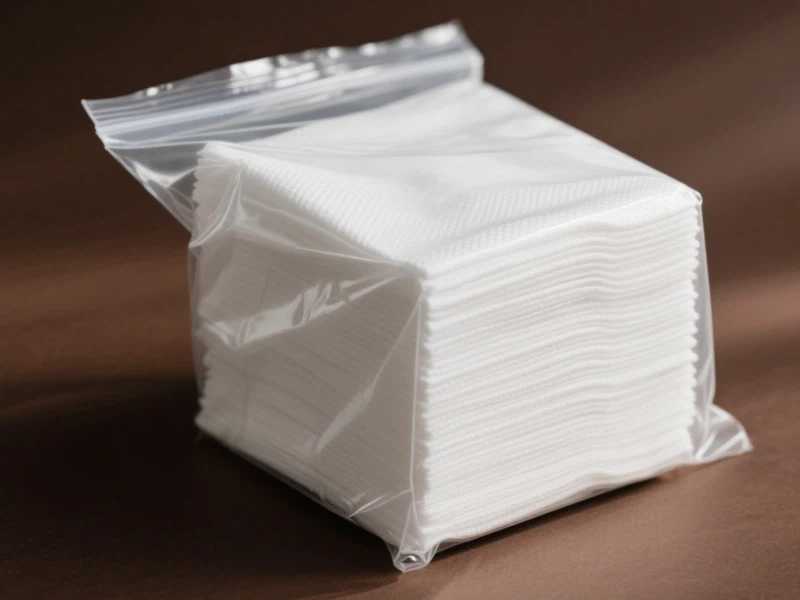
Lyocell is a fiber made from natural wood pulp, often sourced from eucalyptus or similar fast-growing trees. The production process uses a closed-loop system, which means most of the solvent is recovered and reused instead of being released as waste.
From a material point of view, lyocell has three main features:
It is soft and smooth on skin
It absorbs liquid efficiently
It is strong even when wet
Compared with traditional cotton pads, lyocell fibers are more uniform, which helps create a cleaner and more consistent surface. This is important for skincare use, especially when applying toner or removing makeup.
3. Biodegradability explained in a realistic way
The term "biodegradable" is often misunderstood. It does not mean a product disappears instantly after disposal. Instead, it means the material can be broken down by natural microorganisms under suitable conditions.
For lyocell-based products like Biodegradable Lyocell Pads, decomposition depends on:
- Temperature
- Moisture
- Microbial activity
- Disposal environment (home compost vs industrial compost)
In proper conditions, lyocell can break down significantly faster than synthetic fibers such as polyester. However, like all natural materials, it still requires time and proper conditions. This realistic understanding helps avoid unrealistic expectations.
4. Performance in daily skincare routines
A key question for buyers is simple: do these pads actually work well?
In practice, Biodegradable Lyocell Cleansing Pads perform reliably in common skincare tasks:
Toner application: spreads liquid evenly without excessive absorption
Makeup removal: soft texture helps reduce friction on skin
General cleansing: maintains structure without falling apart easily
One advantage is that lyocell fibers do not easily shed lint. This creates a cleaner experience compared to some low-grade cotton pads. For people with sensitive skin, this reduced friction and cleanliness can be meaningful in daily use.
5. Skin compatibility and comfort
Skin safety is an important factor in any personal care product. Lyocell fibers are generally considered gentle because they are smooth and do not contain harsh chemical residues when properly processed.
Users often notice:
Less irritation during repeated use
Softer contact with sensitive areas
Reduced dryness caused by rough friction
While no material can guarantee results for every individual, lyocell provides a stable and predictable texture that works well in most skincare routines.
6. The role of spunlace nonwoven technology
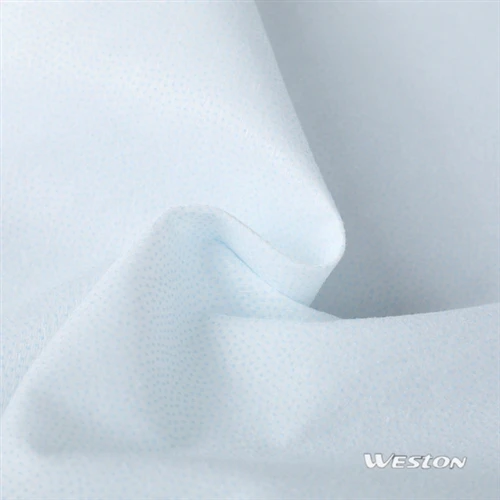
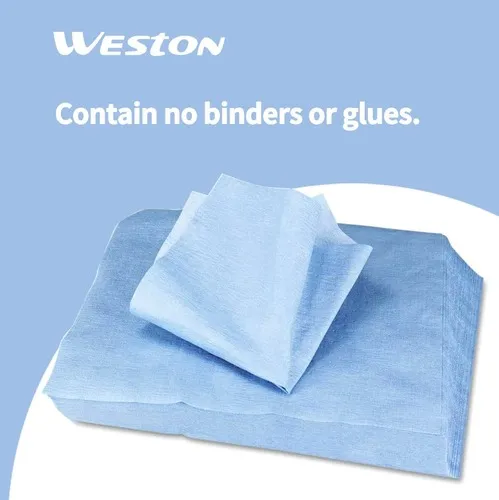
Most modern cleansing pads, including high-quality lyocell products, are produced using spunlace (hydroentangled) nonwoven technology.
In simple terms, this process uses high-pressure water jets to entangle fibers together. No heavy chemical adhesives are required. The result is a fabric that is:
Strong without being stiff
Soft without losing structure
Clean and suitable for hygiene products
This is where manufacturers like Weston Nonwoven play a practical role. In water spunlace nonwoven production, control over fiber blending, water pressure, and embossing patterns directly affects the final pad quality. Consistent production ensures that each pad performs the same way, which is important for both retail and bulk supply markets.
7. What buyers should pay attention to
When selecting Biodegradable Lyocell Cleansing Pads, it is not enough to look at marketing claims. A few technical details matter:
Fiber content: Pure lyocell vs blended materials
Thickness (GSM): Affects softness and durability
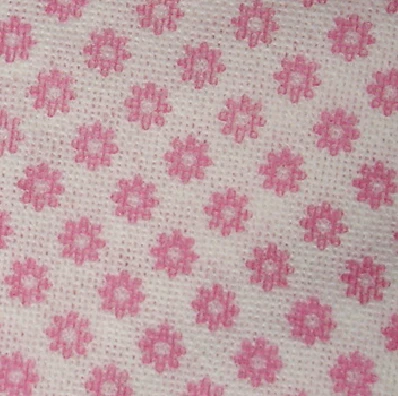
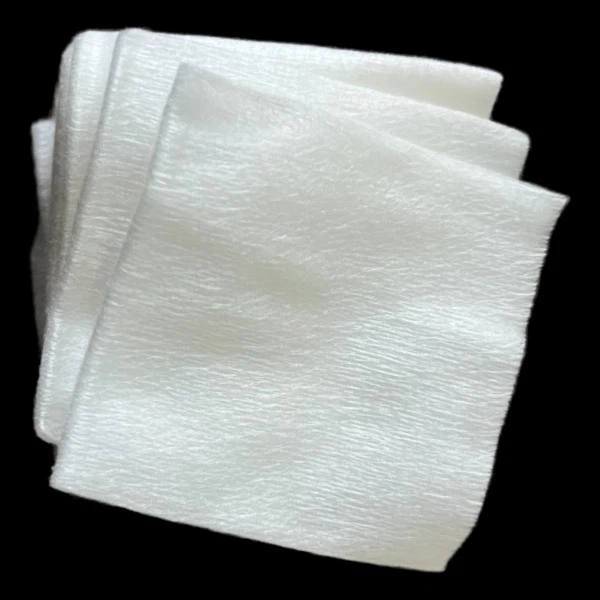
Embossing design: Helps control liquid absorption and cleaning efficiency
Edge sealing: Prevents tearing during use
Lint performance: Indicates fiber stability
These details may look small, but they strongly affect real user experience.
8. Wholesale perspective and supply stability
For businesses, salons, or distributors, purchasing decisions often go beyond single-use quality. Supply consistency becomes a key factor.
This is where the keyword Biodegradable Lyocell Pads Wholesale becomes relevant. Wholesale buyers typically look for:
Stable production capacity
Consistent material quality across batches
Flexible customization options (size, embossing, packaging)
Reliable lead times
Manufacturers such as Weston Nonwoven, which specialize in spunlace nonwoven materials, often support these requirements through controlled production systems. This helps ensure that large-scale orders maintain the same quality standards as small sample batches.
9. Environmental impact in practical terms
The environmental value of lyocell pads is not based on slogans, but on material behavior.
Compared to synthetic pads, lyocell-based options:
- Reduce long-term plastic waste
- Come from renewable raw materials
- Break down more efficiently under natural conditions
However, disposal still matters. Even biodegradable materials perform better when:
They are disposed of correctly
Local waste systems support composting or proper degradation conditions
They are not mixed with non-recyclable plastics unnecessarily
Understanding this helps users make more realistic environmental decisions.
10. A practical shift in daily use
Switching to Biodegradable Lyocell Cleansing Pads is not a dramatic lifestyle change. In most cases, it is a small adjustment in a daily routine. The difference is mainly in material choice rather than usage behavior.
Some users switch gradually:
- Replacing cotton pads first
- Testing lyocell pads for skincare routines
- Evaluating comfort and cost over time
This gradual approach reduces waste and helps users understand real performance before committing fully.
11. Final practical note
The skincare industry is slowly moving toward materials that balance function and environmental responsibility. Lyocell is one of the materials that fits into this transition without requiring major changes in user habits.
For buyers, whether individual consumers or wholesale purchasers, the focus should stay on three points: material safety, real performance, and production consistency. When these factors are balanced, products like Biodegradable Lyocell Cleansing Pads become a practical option rather than just a trend-driven choice.