Bamboo fiber has garnered attention in recent years as a sustainable alternative to traditional textiles and materials. As consumers increasingly seek eco-friendly options, the question of whether bamboo fiber is compostable becomes critical. This article will explore the compostability of bamboo fiber from various scientific angles, examining its properties, benefits, drawbacks, and the implications for environmental sustainability.
Understanding Bamboo Fiber
Bamboo fiber is derived from the pulp of bamboo plants, which are known for their rapid growth and minimal need for fertilizers or pesticides. The production process involves extracting the cellulose from the bamboo, which is then processed into fibers suitable for textiles and other applications.
Composition of Bamboo Fiber
Bamboo fiber primarily consists of cellulose, hemicellulose, and lignin. The high cellulose content (up to 60%) is what makes bamboo fiber strong and absorbent, while hemicellulose and lignin provide structural integrity. This natural composition is crucial when considering compostability, as the breakdown process relies on the chemical structure of the material.
Compostability Defined
Compostability refers to the ability of a material to decompose into natural, non-toxic components under specific environmental conditions, typically in a composting system. For a material to be considered compostable, it should break down within a certain timeframe-usually within 90 to 180 days-into organic matter that enriches the soil.
The Composting Process
The composting process involves microorganisms that break down organic materials into simpler compounds. For effective composting, three key conditions must be met:
Moisture: Adequate moisture levels are essential for microbial activity.
Aeration: Oxygen is crucial for aerobic decomposition, which is the most efficient form of composting.
Temperature: The compost pile must reach a temperature range of 55–65°C (131–149°F) to effectively kill pathogens and weed seeds.
Is Bamboo Fiber Compostable?
Natural Decomposition
Bamboo fiber is indeed compostable due to its organic composition. Under optimal conditions, bamboo fiber can decompose relatively quickly compared to synthetic fibers. Studies have shown that it can break down within a few months, returning nutrients to the soil. This is a significant advantage over many synthetic materials, which can take hundreds of years to decompose.
Conditions Influencing Compostability
Several factors influence the compostability of bamboo fiber:
Processing Methods: The way bamboo is processed into fiber can impact its compostability. For instance, bamboo fibers that have undergone extensive chemical treatments may contain residues that hinder microbial activity, making them less compostable.
Additives: Some bamboo products may include additives or treatments for color, durability, or antimicrobial properties. These can negatively affect the composting process. It's essential to choose products that are free from harmful chemicals for optimal compostability.
Comparison with Other Materials
Bamboo fiber compares favorably with other natural fibers such as cotton or hemp in terms of compostability. While cotton fibers can be composted, they often require specific conditions to break down efficiently. Bamboo, being a rapidly renewable resource, tends to offer a more sustainable option.

Benefits of Composting Bamboo Fiber
Environmental Sustainability: Composting bamboo fiber contributes to a circular economy. Instead of ending up in landfills, bamboo products can enrich the soil, promoting healthy plant growth and reducing the need for synthetic fertilizers.
Reduction of Waste: By composting bamboo fiber products, consumers can significantly reduce their waste footprint. This aligns with the growing trend towards zero-waste lifestyles.
Soil Enrichment: The decomposition of bamboo fibers replenishes the soil with nutrients, improving fertility and structure. This is especially beneficial for gardens and agricultural practices.
Drawbacks of Bamboo Fiber Compostability
Processing Challenges: The compostability of bamboo fibers can be hindered by the methods used in their processing. As mentioned, chemical treatments can leave residues that inhibit microbial activity.
Variable Decomposition Rates: Depending on environmental conditions, the time it takes for bamboo fiber to decompose can vary. Factors such as temperature, moisture content, and the presence of microorganisms play a critical role.
Contamination Risks: If bamboo fiber products are contaminated with oils, chemicals, or other non-compostable materials, they may not be suitable for composting. Proper cleaning and sorting are essential.
Visualizing Compostability
To provide a clearer understanding of the compostability process of bamboo fiber, the following chart illustrates the timeline of decomposition under optimal composting conditions compared to synthetic fibers:
|
Material Type |
Decomposition Time (Months) |
|
Bamboo Fiber |
3–6 |
|
Cotton Fiber |
5–8 |
|
Polyester (Synthetic) |
200+ |
|
Nylon (Synthetic) |
30-40 |
As shown in the chart, bamboo fiber decomposes significantly faster than synthetic alternatives, making it a more environmentally friendly option.
Practical Applications of Compostable Bamboo Fiber
Bamboo fiber is not only compostable but also versatile. It can be used in various applications, particularly where sustainability is a priority. Some examples include:
Textiles: Bamboo fiber is commonly used in clothing, bed linens, and towels. Its natural properties make it comfortable and breathable, while its compostability offers an eco-friendly alternative to traditional fabrics.
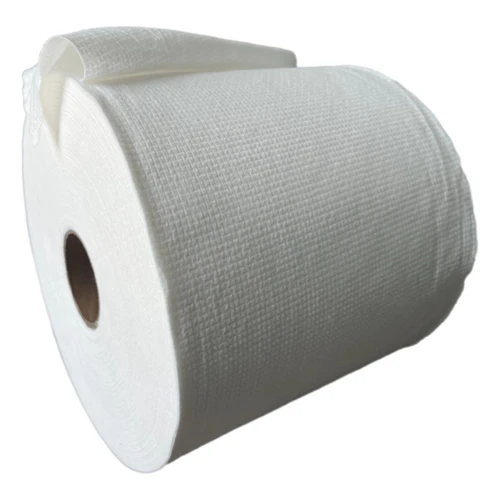
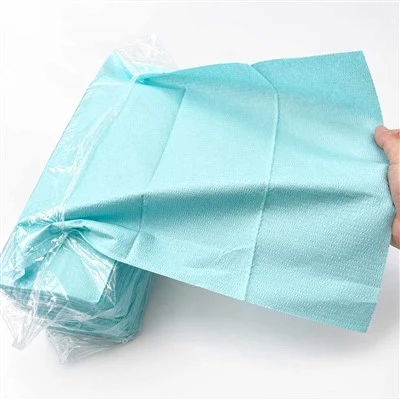
Household Products: Items such as kitchen towels and wipes made from bamboo fiber are increasingly popular. For instance, Triple Layer Bamboo Fiber Wood Pulp Spunlace Fabric is designed for home use, combining absorbency and compostability.
Disposable Products: Bamboo fiber is utilized in disposable items like plates, cutlery, and straws. These products, including Plant-Based Flushable Spunlace Fabric, can be composted after use, reducing plastic waste.
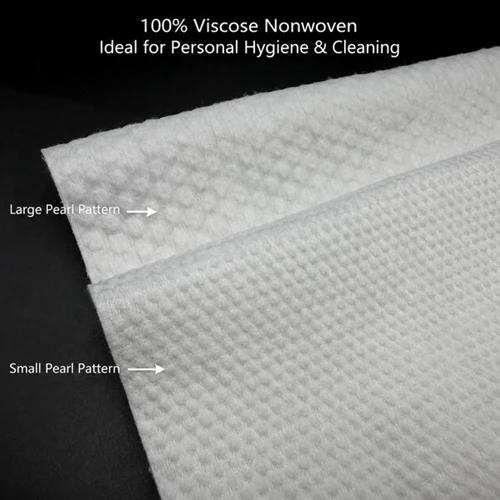
Personal Care: The beauty and hygiene industry is also embracing bamboo fiber. Products like Compostable Bamboo Fiber Spunlace For Home Use are gaining traction as consumers seek eco-friendly options for personal care.

The Future of Bamboo Fiber in Sustainability
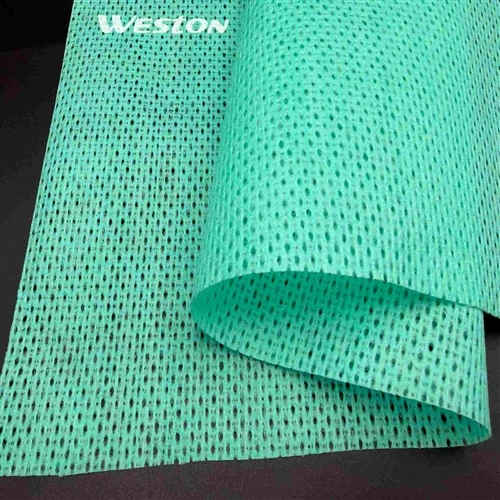
As the demand for sustainable materials grows, bamboo fiber is poised to play a crucial role in various industries. Its compostable nature aligns with global efforts to reduce waste and promote environmental stewardship. Companies like Weston Nonwoven are at the forefront, producing innovative products such as 100% Bamboo Charcoal Nonwoven Fabric, which not only leverage bamboo's natural properties but also emphasize sustainability.
This emphasis on compostability and sustainability is essential in today's market, where consumers are increasingly aware of their environmental impact. By choosing bamboo fiber products, individuals and organizations can contribute to a more sustainable future.
For those interested in exploring the benefits and applications of bamboo fiber, Weston Nonwoven offers free samples to help you experience the advantages firsthand. Contact us at info@westonmanufacturing.com for more information.
By understanding the compostability of bamboo fiber, we can make informed choices that benefit both our lifestyles and the planet. Embracing materials like bamboo fiber is not just a trend; it's a movement towards a more sustainable and responsible future.