


100% Bamboo Charcoal Nonwoven Fabric by Weston – High Absorbency for Industrial Use
Why Weston's 100% Bamboo Charcoal Nonwoven Fabric Redefines Industrial High-Absorbency Standards
The Bamboo Charcoal Advantage: Nature Meets Industrial Rigor
Bamboo charcoal fibers boast a unique microporous structure, natural antimicrobial compounds, and exceptional surface area-outperforming synthetic alternatives (polyester, polypropylene) in three critical areas:
Absorbency: Traps more liquids (oils, solvents, water) without losing structural integrity.
Hygiene: Inhibits bacteria growth to reduce contamination risks.
Sustainability: Reduces reliance on petroleum-based materials, supporting ESG goals.
Product Core Features – Precision Engineered for Industrial Use
Product Features Overview (65% Bamboo Charcoal Spunlace Nonwoven)
|
Feature Category |
Specifications/Details |
|
Material Composition |
65% high-purity bamboo charcoal fiber + 35% durable complementary fibers |
|
Manufacturing Process |
Spunlace technology (high-pressure water jet entanglement, no chemical bonding) |
|
Absorbency Performance |
Absorbs 3x more liquid than standard industrial nonwovens; rapid absorption rate |
|
Antimicrobial & Odor Control |
Inhibits E. coli, Staphylococcus, and odor-causing bacteria |
|
Durability Traits |
Withstands repeated wiping, machine washing, and chemical exposure (mild acids/bases) |
|
Eco-Friendly Attributes |
FSC-certified bamboo sourcing; biodegradable (6–12 months in industrial compost) |
|
Customization Options |
Rolls (1–2m width), cut-to-size sheets, logo printing, color-coding |
Spunlace Manufacturing: Durability Without Compromising Absorbency
The Spunlace process uses high-pressure water jets to entangle fibers-eliminating the need for toxic adhesives common in other nonwoven production methods. This ensures:
Tight fiber cohesion for heavy industrial use (e.g., scrubbing machinery, cleaning sharp components).
Consistent performance across every roll (no weak spots in absorbency or strength).
Compliance with industrial safety standards (no harmful off-gassing during use).

Unmatched Industrial Advantages – Beyond "High Absorbency"
Superior Absorbency & Liquid Retention
The microporous structure of bamboo charcoal fibers acts like a "liquid trap":
Absorbs 3x more oil, solvent, or water than standard synthetic nonwovens.
Retains liquids without dripping-critical for cleaning sensitive equipment (e.g., circuit boards, aerospace parts) where drips could cause damage.
Reduces cleanup time by 40% compared to traditional wipes, minimizing production downtime.
Natural Antimicrobial Protection
Unlike chemically treated nonwovens (where antimicrobial properties fade over time), bamboo charcoal's antimicrobial action is inherent:
Inhibits bacteria growth in moist industrial environments (e.g., food processing plants, pharmaceutical labs).
Prevents mold and mildew on saturated fabrics, extending usable life.
Eliminates odors from industrial fluids (e.g., hydraulic oil, printing ink), improving workplace air quality.
Cost Efficiency & Long-Term Value
While upfront costs may be slightly higher than disposable nonwovens, Weston's bamboo charcoal fabric delivers ROI through:
Reusability: Withstands 5–10 washes for light use (e.g., electronics wiping) and 2–3 uses for heavy spills (e.g., chemical leaks).
Reduced waste: Biodegradable composition cuts landfill disposal costs.
Lower inventory needs: Durability means fewer restocks, reducing storage and logistics expenses.
Versatility Across Industrial Conditions
Performs reliably in diverse environments:
Temperature resistance: Maintains integrity from -10°C (cold storage) to 80°C (automotive paint booths).
Chemical compatibility: Safe for use with mild acids, bases, oils, and water-based solvents.
Low-linting: Ideal for cleanrooms (e.g., semiconductor manufacturing) or precision assembly (e.g., medical devices).
Expanded Industrial Applications – Where Performance Meets Real-World Needs
Automotive Manufacturing & Maintenance
Key Uses:
Degreasing engine blocks and transmission components.
Wiping paint booths (lint-free to avoid defects in vehicle finishes).
Absorbing excess lubricants during assembly.
Cleaning fuel injectors and hydraulic systems.
Advantage: High oil absorbency + antimicrobial properties prevent contamination of sensitive engine parts.
Electronics & Semiconductor Industry
Key Uses:
Absorbing condensation in chip storage facilities.
Cleaning circuit boards and wafer surfaces (low-static to avoid electrostatic damage).
Wiping soldering flux residues from electronic components.
Protecting LED panels from moisture during production.
Advantage: Non-abrasive, lint-free design avoids scratching delicate electronics; chemical resistance to cleaning solvents.
Chemical, Petrochemical & Pharmaceutical Sectors
Key Uses:
Absorbing spills of mild acids, bases, and solvents (e.g., ethanol, mineral oil).
Lining storage tanks for pharmaceutical ingredients (non-toxic, no contamination).
Cleaning lab equipment (beakers, pipettes) in chemical research facilities.
Wiping down production lines in vaccine manufacturing plants.
Advantage: Resists degradation from harsh fluids; meets pharmaceutical hygiene standards.
Food Processing & Beverage Production
Key Uses:
Absorbing syrup, oil, or juice spills on conveyor belts.
Cleaning mixing tanks and filling machines (food-safe).
Drying fruits/vegetables post-washing (gentle on delicate produce).
Wiping down surfaces in bakery or dairy facilities (mold-resistant).
Advantage: Non-toxic, biodegradable, and compliant with food safety standards (e.g., FDA regulations).
New Energy (EV, Solar, Wind)
Key Uses:
Absorbing battery electrolytes during EV manufacturing.
Cleaning solar panel surfaces (scratch-free to maintain efficiency).
Wiping hydraulic fluid leaks in wind turbine gearboxes.
Protecting lithium-ion battery components from moisture.
Advantage: Chemical compatibility with new energy fluids; temperature resistance for outdoor/industrial settings.
Aerospace & Precision Engineering
Key Uses:
Cleaning aircraft engine components (high precision, no fiber shedding).
Absorbing hydraulic oil in spacecraft fuel systems.
Wiping metal surfaces post-machining (removes metal shavings and coolant).
Protecting avionics from moisture during maintenance.
Advantage: Meets aerospace-grade cleanliness requirements; durable enough for heavy machinery.
Textile & Printing Industries
Key Uses:
Absorbing excess dye during fabric printing (no color transfer).
Cleaning textile machinery (e.g., knitting needles, loom parts).
Wiping ink spills on offset printing presses.
Drying finished textiles post-dyeing.
Advantage: High liquid retention; avoids staining equipment or finished products.
Complementary Spunlace Solutions from Weston
While 100% Bamboo Charcoal Nonwoven Fabric excels in high-absorbency scenarios, Weston offers specialized Spunlace products to address unique industrial needs:
Ultrasonic Composite Spunlace Nonwoven Fabrics: Enhanced structural integrity for industrial filters, protective covers, and heavy-duty liners.
Laminated Nonwoven For Medical Packaging: Sterile barrier solutions for medical device packaging (meets ISO 11607 standards).
Eco-Friendly 30gsm Lyocell Nonwoven Material: Lightweight, biodegradable option for cosmetic manufacturing, food wrapping, and disposable hygiene products.
Abrasive Polyester Pulp PP Spunlace Nonwoven: Heavy-duty scrubbing for metal finishing, paint removal, and industrial surface preparation.

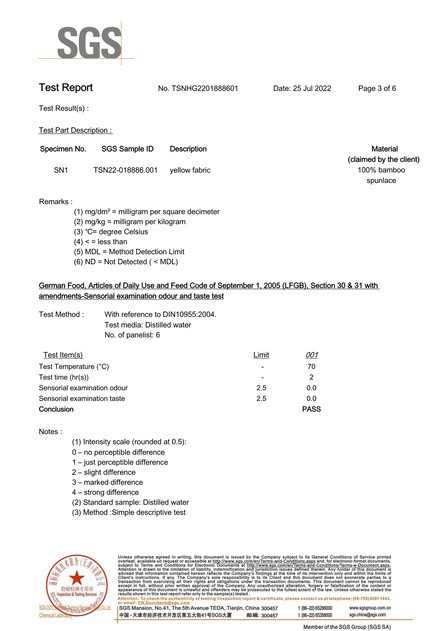


Weston Nonwoven – Your Trusted Industrial Partner
Quality Assurance & Compliance
Every batch of 100% Bamboo Charcoal Nonwoven Fabric undergoes rigorous testing:
Absorbency rate.
Tensile strength.
Antimicrobial efficacy.
Compliance with ISO quality management standards.
Customization & Support
Weston works with customers to tailor solutions:
Adjust thickness, weight, or dimensions to fit specific equipment.
Add anti-static, oil-repellent, or flame-retardant coatings.
Provide color-coding for workflow organization (e.g., red for oil spills, blue for water).
Lead time is determined based on specific customer requirements (e.g., order volume, customization complexity) – our team will provide a detailed timeline after order confirmation.
Global Supply Chain & After-Sales Support
Multiple manufacturing facilities ensure consistent supply for high-volume orders.
Dedicated account managers provide end-to-end support (from sample testing to post-delivery troubleshooting).
Free samples available for testing compatibility with your industrial processes.
People Also Ask About Weston's 100% Bamboo Charcoal Nonwoven Fabric
Q1: Is this fabric safe for contact with food or pharmaceutical products?
A1: Yes. It is non-toxic, free of harmful chemicals, and complies with food safety standards (e.g., FDA regulations) and pharmaceutical hygiene guidelines. No residues transfer to food or drug products during use.
Q2: Can it be used with strong industrial chemicals (e.g., concentrated acids)?
A2: It performs reliably with mild-to-moderate chemicals (oils, solvents, weak acids/bases). For highly corrosive fluids (e.g., concentrated sulfuric acid), we recommend our specialized chemical-resistant coating – contact our team for tailored solutions.
Q3: What is the maximum temperature it can withstand?
A3: It maintains full performance from -10°C to 80°C. For high-temperature applications (e.g., near industrial ovens), ask about our heat-resistant fiber blends, which withstand up to 120°C.
Q4: How does it compare to disposable nonwovens in terms of cost?
A4: While upfront costs are slightly higher, reusability (5–10 uses for light applications) and reduced waste disposal costs lower total ownership cost by 30–40% over disposable alternatives.
Q5: Can I request a sample to test with my specific industrial process?
A5: Yes. Weston offers free samples (up to 3 variants) for compatibility testing. Contact our sales team with details about your application (e.g., fluid type, use case), and we will send a tailored sample pack.
Hot Tags: 100% bamboo charcoal nonwoven fabric, China, manufacturers, factory, customized, wholesale, Eco friendly Cotton Nonwoven Cloth, Biodegradable Viscose Wiping Fabric, Odor Control Pet Cleaning Wipes, 150gsm Cotton Spunlace Nonwoven Rolls, Triple Layer Bamboo Fiber Wood Pulp Spunlace Fabric, Bulk Lyocell Compressed Mask Pellets


