A Scientific Exploration of Compostability and Sustainable Solutions
The Science of Composting: Fundamental Principles for Organic Breakdown
Composting is an aerobic biological process that converts organic matter into nutrient-rich humus, driven by microorganisms like bacteria, fungi, and actinomycetes. For successful decomposition, three core conditions must be met:
Carbon-to-Nitrogen (C:N) Ratio: Ideal ratios range from 25:1 to 30:1. Carbon-rich "browns" (e.g., dry leaves, paper) balance nitrogen-rich "greens" (e.g., fruit scraps, grass clippings).
Temperature: Microbial activity peaks at 55–65°C (thermophilic phase), which kills pathogens and accelerates breakdown.
Moisture & Aeration: 40–60% moisture (like a wrung-out sponge) and regular turning ensure oxygen flow, preventing anaerobic rot (and foul odors).
This process is not just waste reduction-it closes the carbon cycle: decomposed organic matter enriches soil structure, retains water, and feeds beneficial soil organisms. The question of composting kitchen paper towels hinges on whether the material aligns with these biological and chemical requirements.

Kitchen Paper Towel Composition: The Critical Factor in Compostability
Not all kitchen paper towels are equal in compostability. Their ability to break down depends entirely on base materials and processing additives:
1. Conventional Kitchen Paper Towels: Hidden Barriers to Composting
Most conventional products use a mix of wood pulp and recycled paper, but problematic additives often undermine compostability:
Bleaching Agents: Chlorine-based bleaches (used for whitening) can leave toxic residues that inhibit microbial activity and contaminate finished compost.
Plastic Coatings: Some towels have thin polyethylene coatings (for wet strength) that are non-biodegradable. These coatings persist in compost, forming microplastics that harm soil health and enter the food chain.
Synthetic Binders: Chemical adhesives to improve durability resist microbial decomposition, prolonging breakdown time to 6+ months (vs. 4–6 weeks for uncoated organic matter).
In home compost systems (which rarely reach consistent thermophilic temperatures), these additives can render conventional towels effectively non-compostable, leading to incomplete decomposition and nutrient-poor humus.
2. Biodegradable Alternatives: The Role of Plant-Based Materials
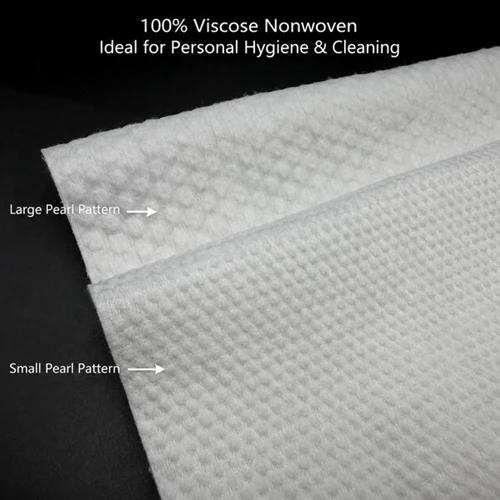
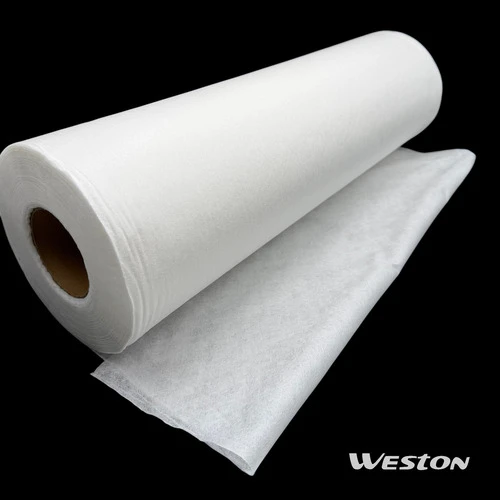
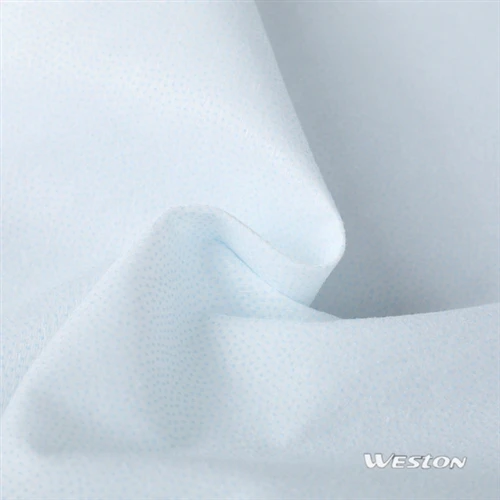
By contrast, Biodegradable Kitchen Paper Towels (e.g., those developed by Weston Nonwoven) are engineered for compostability. Their core advantages lie in composition:
100% Plant-Based Cellulose: Derived from renewable sources like bamboo or sugarcane bagasse, this material matches the C:N ratio of natural "browns," integrating seamlessly into compost piles.
No Harmful Additives: Free of chlorine bleaches, plastic coatings, or synthetic binders, it avoids toxic residues. Microorganisms can break down cellulose into glucose, which is further metabolized into carbon dioxide, water, and humus.
Wet Strength Without Plastics: Weston Nonwoven uses plant-based starches for wet strength, which decompose alongside the cellulose-eliminating the microplastic risk of conventional towels.
Key Variables Affecting Kitchen Paper Towel Composting: From Contamination to Environment
Even biodegradable kitchen paper towels may fail to compost properly if external factors are ignored. Below are critical variables to consider, along with sustainable solutions:
1. Contamination from Food Residues
Kitchen paper towels are often used to wipe oil, grease, or chemical cleaners-contaminants that disrupt composting:
Oil/Grease: Excess oil coats organic matter, blocking oxygen and causing anaerobic decomposition (leading to methane emissions and bad odors).
Chemical Cleaners: Disinfectants or surfactants kill beneficial microbes, halting the decomposition process entirely.

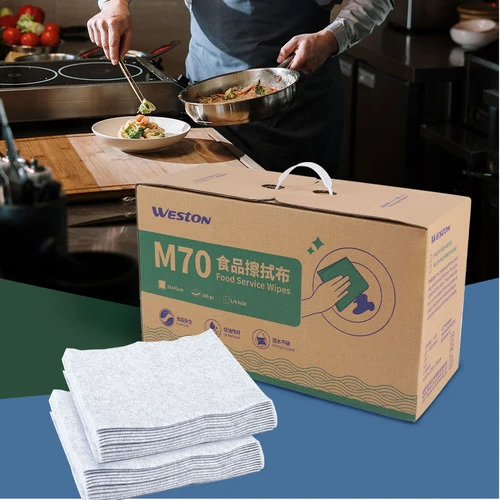
Solution: Use Oil Spill Mats (a product by Weston Nonwoven) to absorb oil residues before cleaning with paper towels. These mats are designed to trap oil while remaining compostable themselves, reducing contamination of paper towels and ensuring the compost pile stays aerobic. For light cleaning, Kitchen Wet Wipes (also from Weston Nonwoven) can replace paper towels-choose unscented, detergent-free variants to avoid chemical contamination.
2. Composting Environment: Home vs. Industrial
The decomposition rate of kitchen paper towels varies drastically between home and industrial systems:
|
System Type |
Temperature Range |
Decomposition Time (Biodegradable Towels) |
Success Rate |
|
Home Compost |
20–50°C (rarely thermophilic) |
8–12 weeks |
60–70% (if turned regularly) |
|
Industrial Compost |
55–65°C (sustained) |
4–6 weeks |
90%+ (meets ASTM D6400 standards) |
Home systems struggle with temperature consistency, so biodegradable towels may take longer to break down. Industrial systems, with controlled heat and aeration, ensure complete decomposition-making them ideal for large-scale composting of biodegradable paper products.
3. Towel Usage Quantity
Overloading compost piles with paper towels (even biodegradable ones) disrupts the C:N ratio. Too much carbon (from paper) starves microbes of nitrogen, slowing decomposition. A good rule: paper towels should make up no more than 10–15% of the pile's volume, paired with nitrogen-rich greens like vegetable peels.
Verifying Compostability: Testing Standards and Performance Data
Claims of "compostability" require scientific verification. Below is data from independent testing of Weston Nonwoven's Biodegradable Kitchen Paper Towel, aligned with global compostability standards:
|
Test Criterion |
Result |
|
Decomposition Rate (12 weeks) |
92% of material broken down |
|
Compliance with Standards |
Exceeds ASTM D6400 (≥90%) |
|
Thermophilic Phase Tolerance |
Stable at 60°C for 4 weeks |
|
Heavy Metal Content |
<0.1 mg/kg (lead, cadmium) |
|
Soil Impact (Post-Decomposition) |
Humus increased soil organic matter by 3% |
|
No toxic effects on earthworms |
In home compost tests, the towel decomposed 68% in 10 weeks when mixed with 30% vegetable scraps and turned twice weekly-proving its viability for residential use, albeit at a slower rate than industrial systems.
Practical Guidelines for Composting Kitchen Paper Towels in Daily Life
To maximize compostability and avoid common mistakes, follow these evidence-based steps:
Choose the Right Towel: Opt for Biodegradable Kitchen Paper Towels (e.g., Weston Nonwoven's variant) to eliminate plastic and toxic additives. Avoid towels labeled "extra durable" or "waterproof"-these often contain non-biodegradable coatings.
Pre-Treat Contamination: Use Oil Spill Mats to absorb grease from pans before wiping with paper towels. For towels used with cleaners, rinse them lightly (if possible) to remove chemicals, or discard them in regular waste if heavily contaminated.
Shred for Faster Breakdown: Tear paper towels into 2–3 inch pieces before adding to compost. Smaller pieces increase surface area for microbes, reducing decomposition time by 20–30%.
Balance the Pile: For every handful of paper towels, add two handfuls of nitrogen-rich material (e.g., coffee grounds, banana peels) to maintain the 25:1 C:N ratio.
Monitor Moisture: If the pile becomes too dry (crumbly, no microbial activity), spray with water-biodegradable towels absorb moisture, so adjust as needed to keep the pile damp but not soggy.
For those using Kitchen Wet Wipes, ensure they are free of synthetic fragrances or detergents before composting. Weston Nonwoven's wipes are designed to decompose alongside their biodegradable paper towels, simplifying waste sorting for sustainable homes.
Toward a Circular Future: Compostable Paper Towels as a Waste Solution
Kitchen paper towels are a daily necessity, but their environmental impact depends on how we produce, use, and dispose of them. Conventional towels contribute to landfill waste (taking years to break down) and microplastic pollution, while compostable alternatives like Weston Nonwoven's Biodegradable Kitchen Paper Towel turn waste into a resource-enriching soil instead of clogging landfills.
By pairing these towels with Oil Spill Mats (to reduce contamination) and Kitchen Wet Wipes (for targeted cleaning), households and businesses can integrate composting into their daily routines. For those interested in testing these sustainable solutions, free samples of Weston Nonwoven's compostable products are available via email: info@westonmanufacturing.com.
Composting kitchen paper towels is not just possible-it is a small but powerful step toward closing the loop on organic waste, supporting soil health, and building a more circular economy.