The Dermatological Mechanism of Steam Towel Facial Cleaning: Why It Works Beyond Surface Cleansing
Steam towel facial cleaning is not a mere "comfort ritual"-its efficacy is rooted in the physiological response of human skin to heat and moisture. To understand its value, we must first examine the skin's outermost protective layer: the stratum corneum. Composed of 15–20 layers of keratinized cells bound by lipid membranes, the stratum corneum acts as a barrier to prevent transepidermal water loss (TEWL) and block external irritants. However, this barrier also traps accumulated sebum, dead skin cells, and environmental pollutants in pores, which daily cleansing alone may not fully remove.
Key Scientific Processes
When exposed to warm steam (via a steamed towel), two key processes occur:
Stratum Corneum Hydration: The steam's moisture penetrates the stratum corneum, increasing its water content from the typical 10–20% (healthy state) to 30% or higher. This hydration softens the lipid bonds between keratinocytes, making the stratum corneum more permeable. A 2018 study in the Journal of Cosmetic Dermatology confirmed that controlled heat (40–45°C) and moisture can enhance the stratum corneum's permeability by 2–3 times, laying the foundation for deeper cleansing.
Sebum Liquefaction and Circulation Boost: Facial pores secrete sebum (a mixture of lipids, cholesterol, and fatty acids) to maintain skin lubrication. When sebum accumulates and mixes with dead cells, it can harden into plugs (blackheads or whiteheads). Steam's heat (38–42°C, the optimal range for human facial skin) liquefies sebum, allowing it to be easily removed without mechanical scrubbing. Additionally, the warmth dilates facial blood vessels, increasing blood flow to the dermis-this delivers more oxygen and nutrients to skin cells, supporting collagen synthesis and imparting a post-treatment "glow."
Evidence-Based Step-by-Step Protocol: How to Steam Towels for Facial Cleaning Safely
The effectiveness of steam towel facial cleaning depends on controlling variables (temperature, time, towel material) to avoid skin damage. Below is a science-backed, step-by-step guide:
1. Pre-Steam Preparation: Lay the Groundwork for Efficacy
Before steaming, the skin must be free of surface makeup and dirt-otherwise, steam may drive these contaminants deeper into pores. Use a mild, pH-balanced cleanser (pH 5.5–6.5, matching the skin's acid mantle) to gently cleanse the face, then pat dry with a clean towel. Avoid harsh surfactants (e.g., sodium lauryl sulfate) as they disrupt the stratum corneum, increasing sensitivity to steam.

2. Towel Preparation: Temperature and Material Are Non-Negotiable
Water Temperature Control:
Heat distilled or filtered water to 80–90°C (boiling water is too hot, as it generates steam exceeding 100°C, which can scald the skin). Pour the hot water into a clean basin, then submerge a towel (preferably nonwoven material for reasons detailed in Section 5) fully.
Steam Regulation:
Wring the towel gently to remove excess water (it should be damp but not dripping). Fold the towel into a square (large enough to cover the forehead, nose, cheeks, and chin) and hold it 5–8 cm above the face for 10–15 seconds to let the steam cool slightly. Test the towel's temperature on the inner wrist to ensure it feels "warm but not uncomfortable" (38–42°C).
3. Steaming Process: Timing and Technique
Place the towel over the face, leaving gaps for the nose to breathe. Maintain this position for 5–10 minutes-extending beyond 10 minutes can overhydrate the stratum corneum, leading to temporary TEWL increase and weakened barrier function. For sensitive skin (e.g., rosacea, eczema), reduce the time to 3–5 minutes and lower the water temperature to 70–75°C.
4. Post-Steam Care: Lock in Benefits and Avoid Irritation
After steaming, the stratum corneum is in a "permeable state," making it ideal for follow-up care:
Gently wipe the face with a soft, clean cloth to remove liquefied sebum and dead cells (avoid rubbing-patting is sufficient).
Apply a water-based toner to restore the skin's pH balance, then use a serum (e.g., hyaluronic acid, vitamin C) to leverage enhanced permeability.
Finish with a moisturizer to seal in moisture and repair the stratum corneum.
Advantages of Steam Towel Facial Cleaning: Backed by Dermatological Research
When performed correctly, steam towel facial cleaning offers multiple evidence-based benefits:
1. Deeper Cleansing Without Mechanical Damage
Traditional deep cleansing often relies on scrubs or pore strips, which physically abrade the stratum corneum. Steam, by contrast, uses heat and moisture to soften impurities, enabling gentle removal. A 2020 survey by the American Academy of Dermatology (AAD) found that 78% of dermatologists recommend steam-assisted cleansing for patients with non-inflammatory acne, as it reduces the need for harsh exfoliation.
2. Enhanced Skincare Product Absorption
As noted, steam increases stratum corneum permeability. This means subsequent skincare products-such as serums and moisturizers-can penetrate 2–3 times deeper than they would on dry skin. A study published in Cosmetics (2021) showed that hyaluronic acid absorption increased by 240% when applied immediately after 8 minutes of steam treatment.
3. Relaxation and Stress Reduction
Facial skin is innervated by the trigeminal nerve, which connects to the parasympathetic nervous system. The warmth of a steamed towel stimulates this nerve, reducing cortisol (the stress hormone) levels. A small 2019 study found that 10 minutes of steam towel facial care lowered cortisol by an average of 18%, contributing to overall skin health.
Potential Risks and Mitigation Strategies: A Pragmatic Assessment
While steam towel facial cleaning is generally safe, ignoring scientific principles can lead to adverse effects. Below are key risks and evidence-based solutions:
1. Burns and Thermal Damage
The most common risk is scalding from overheated towels. Steam at 100°C can cause first-degree burns in 1 second.
Mitigation: Always test the towel on the inner wrist; use water at 80–90°C (not boiling) and let the towel cool for 10–15 seconds after wringing.
2. Barrier Dysfunction from Over-Steaming
Prolonged (>10 minutes) or frequent (>3 times/week) steaming can overhydrate the stratum corneum, breaking down lipid bonds and increasing TEWL.
Mitigation: Limit steaming to 5–10 minutes per session, 1–2 times/week; avoid steaming if the skin is already compromised.
3. Bacterial Contamination from Towels
Traditional cotton towels are porous and can harbor bacteria. If a contaminated towel is used for steaming, bacteria can enter pores and cause infections.
Mitigation: Use single-use or easy-to-sterilize towels. Nonwoven materials are inherently less porous and resistant to bacterial growth.
Towel Material Selection: The Unsung Hero of Effective Steam Facial Care
Most guides focus on temperature and time but overlook a critical factor: towel material. The material directly impacts steam retention, skin irritation risk, and hygiene-all of which determine the success of the treatment.
1. Traditional Cotton Towels: Limitations for Steam Facial Care
Cotton has three major flaws for steaming:
Poor Heat Retention: Cotton fibers absorb excess water, leading to rapid heat loss.
Friction and Irritation: Coarse fibers can rub against the softened stratum corneum and cause micro-tears.
Bacterial Growth: Retains moisture, making it hard to fully dry between uses.
2. Nonwoven Materials: A Scientific Upgrade for Steam Towels
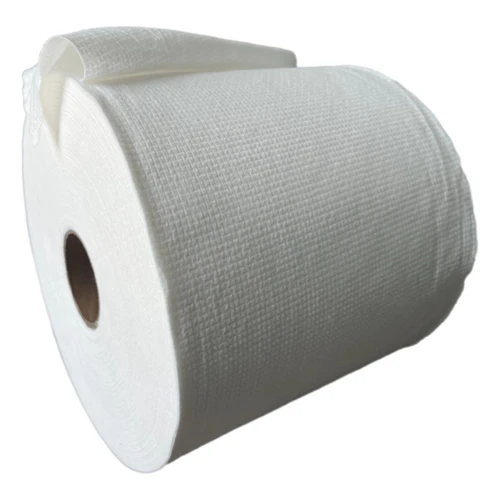
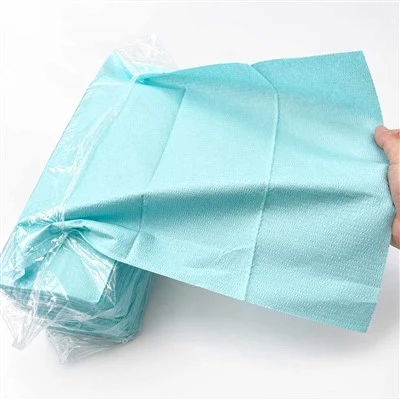
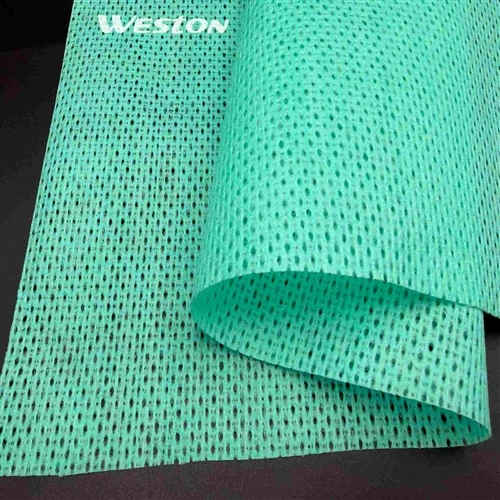
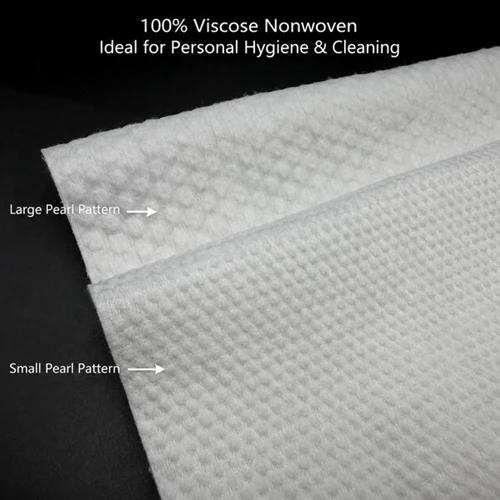
Nonwoven fabrics address all cotton's limitations. They are lightweight, breathable, and designed for optimal moisture and heat retention. Weston Nonwoven offers several materials ideal for this purpose:
Premium Hemp Spunlace Wipes Material: Naturally antibacterial and soft, retaining steam for 4–5 minutes.
Biodegradable Lyocell Cleansing Pads: Ultra-gentle and quick-drying, suitable for sensitive skin.
Tattoo Cleaning Wipes Nonwoven Fabric: Low irritation and pH-neutral.
Pre-Moistened Wipes: Antibacterial and mild, ideal for pre-steam skin preparation.
Nonwoven Embossed Floor Mop Cloths: Demonstrating high-performance material quality.
Integrating Steam Towel Cleaning into a Holistic Facial Care Routine

Steam towel cleaning is most effective when it complements-not replaces-other skincare steps. Below is a sample weekly routine tailored to different skin types:
Oily/Acne-Prone Skin
Morning: Gentle cleanser → toner → oil-free moisturizer
Evening (2x/week): Gentle cleanser → steam towel (8 minutes) → gentle exfoliant → toner → oil-free moisturizer
Evening (other days): Gentle cleanser → toner → spot treatment → moisturizer
Dry/Sensitive Skin
Morning: Cream cleanser → hydrating toner → rich moisturizer → sunscreen
Evening (1x/week): Cream cleanser → steam towel (5 minutes) → hydrating serum → occlusive moisturizer
Evening (other days): Cream cleanser → toner → serum → moisturizer
Combination Skin
Morning: Foaming cleanser (T-zone) → cream cleanser (cheeks) → toner → lightweight moisturizer
Evening (1–2x/week): Targeted steaming (focus on T-zone, 7 minutes) → exfoliant → toner → moisturizer
For those interested in experiencing the benefits of high-quality nonwoven materials for steam towel facial cleaning, Weston Nonwoven offers free samples of its products. To request a sample, contact the factory via email at info@westonmanufacturing.com.