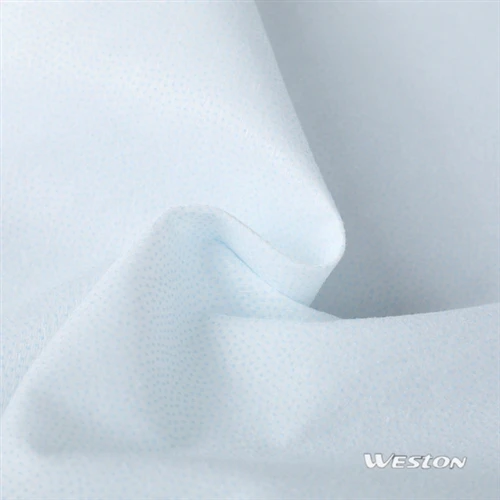
1. The Microscopic Structure of Bamboo Fiber: The Core Driver of Cleaning Efficacy
To evaluate whether bamboo cloths excel at cleaning, we must first examine the microscopic morphology of bamboo fiber-its inherent structure directly determines adsorption capacity, oil removal efficiency, and surface compatibility. Bamboo fiber, extracted from bamboo culms via mechanical or chemical processing, features a unique multi-channel porous structure under electron microscopy. Unlike the dense, smooth surface of traditional cotton or polyester fibers, bamboo fiber has a longitudinal "groove-like" texture and a high porosity (typically 70–80%, according to research on natural plant fibers). This structure creates two key cleaning advantages:
Enhanced liquid and particulate adsorption: The porous network increases the fiber's specific surface area, enabling it to trap water, dust, and small debris more effectively. Tests show that bamboo fiber cloths can absorb 3–4 times their weight in water-surpassing cotton cloths (2–2.5 times) and synthetic microfiber cloths (2.5–3 times) in wet cleaning scenarios (e.g., wiping spills on kitchen countertops).
Superior oil decomposition: The hydroxyl (-OH) groups on bamboo fiber's surface exhibit amphiphilic properties, meaning they interact with both water and oil molecules. When used with mild detergents, these groups break down oil films on surfaces (e.g., stovetops, dishware) and prevent oil from reattaching-addressing a common issue with synthetic cloths, which often "spread oil" rather than remove it.

However, this porous structure also presents limitations. In high-temperature (above 60°C) cleaning environments, the fiber's pores may expand and deform, reducing adsorption capacity over time. Additionally, for heavy oil stains (e.g., dried grease on oven interiors), bamboo cloths require pre-soaking with detergent-their natural oil-removal ability alone is less effective than abrasive synthetic cloths.
2. Natural Antimicrobial Properties: Hygienic Cleaning Beyond Surface Cleanliness
A critical yet underdiscussed advantage of bamboo cloths is their inherent antimicrobial activity-a property rooted in bamboo's biological defense mechanisms. This is particularly valuable for professional buyers in sectors like hospitality, healthcare, or food service, where post-cleaning hygiene is non-negotiable.
Bamboo contains a natural compound called bamboo quinone (C₁₀H₈O₂), which acts as a broad-spectrum antimicrobial agent. Studies indicate that bamboo fiber can inhibit the growth of common pathogenic bacteria, including Escherichia coli (E. coli) and Staphylococcus aureus (S. aureus), with an inhibition rate of 80–90% within 24 hours-far higher than cotton (10–15%) or polyester (5–8%). The mechanism works in two ways:
Bamboo quinone disrupts bacterial cell membranes, preventing nutrient absorption and reproduction.
The fiber's porous structure traps bacteria, limiting their spread to cleaned surfaces.
For professional users, this means reduced reliance on chemical disinfectants-lowering operational costs and minimizing environmental residue. However, it is important to note that bamboo quinone's efficacy diminishes under certain conditions:
Prolonged exposure to strong alkaline detergents (pH > 10) or bleach can degrade bamboo quinone, reducing antimicrobial activity by 30–40% after 10 washes.
In humid storage environments (relative humidity > 85%), even bamboo cloths may develop mold if not fully dried-highlighting the need for proper post-use care.
3. Durability vs. Sustainability: A Balanced Assessment for Long-Term Use
Professional buyers prioritize not only cleaning performance but also product lifespan and environmental impact. Bamboo cloths' performance in these areas requires a nuanced analysis-avoiding overstatements about "eco-friendliness" while acknowledging tangible advantages.
3.1 Mechanical Durability: Can Bamboo Cloths Withstand Frequent Use?
Bamboo fiber's tensile strength (a measure of resistance to breaking) is approximately 2.5–3.0 cN/dtex, comparable to cotton (2.8–3.2 cN/dtex) but lower than polyester (4.0–4.5 cN/dtex). This translates to practical durability:
Under standard household or commercial use (1–2 washes per day, mild detergent), 100% Bamboo Fiber Towels (a core product from Weston Nonwoven) maintain structural integrity for 50–60 washes-suitable for short-to-medium-term applications (e.g., 1–2 months of daily use in hotels).
For high-wear scenarios (e.g., industrial equipment cleaning), bamboo cloths may fray or lose fiber integrity faster than synthetic alternatives. However, blended bamboo-synthetic fibers (e.g., 70% bamboo + 30% polyester) can extend lifespan to 80–90 washes-though this compromises some natural advantages (e.g., antimicrobial activity).
3.2 Environmental Sustainability: Beyond "Fast-Growing" Myths
Bamboo's reputation as a sustainable material is rooted in its growth characteristics: it matures in 3–5 years (vs. 10–15 years for cotton), requires no pesticides, and absorbs 5 times more carbon dioxide than equivalent trees. However, the sustainability of bamboo cloths depends on processing methods:
Mechanical processing (crushing bamboo culms and retting fibers) is low-impact but produces shorter fibers, limiting their use to soft products like Bamboo Face Tissue Wipes.
Chemical processing (using sodium hydroxide or sulfuric acid to dissolve lignin) yields longer, stronger fibers (used in Pulp Bamboo Fiber Spunlace) but generates wastewater-unless factories adopt closed-loop recycling systems (as Weston Nonwoven does to minimize environmental impact).
End-of-life disposal is another strength: bamboo cloths are biodegradable under aerobic conditions, decomposing in 3–6 months in soil-unlike synthetic microfiber cloths, which persist in landfills for decades and release microplastics into waterways.
Application-Specific Bamboo Cleaning Solutions: Weston Nonwoven's Technical Innovations

While the above analysis confirms bamboo cloths' suitability for most cleaning scenarios, professional buyers require products tailored to specific use cases. Weston Nonwoven addresses this through four specialized bamboo-based solutions, each optimized for distinct cleaning needs:
4.1 Bamboo Face Tissue Wipes: Precision Cleaning for Delicate Surfaces
Designed for low-abrasion, high-hygiene applications (e.g., cleaning electronic screens, glassware, or cosmetic counters), these wipes use ultra-soft, short-fiber bamboo pulp. The non-woven structure prevents lint residue-a common complaint with cotton wipes-while the inherent antimicrobial property reduces cross-contamination between surfaces. They are ideal for retail stores, salons, or offices where surface appearance and hygiene are critical.
4.2 100% Bamboo Fiber Towels: Heavy-Duty Absorption for Kitchen/Bath
Crafted from long, unblended bamboo fibers, these towels offer superior water absorption (4x their weight) and resistance to shrinking. The tight weave prevents fiber shedding during use, making them suitable for cleaning kitchen sinks, bathroom tiles, or restaurant tabletops. Their natural antimicrobial activity also reduces odor buildup-even after repeated use with food residues.
4.3 Pulp Bamboo Fiber Spunlace: Softness for Sensitive Surfaces
Using a spunlace non-woven process (high-pressure water jets to bond fibers), this product combines the softness of bamboo pulp with the strength of woven cloth. It is ideal for cleaning sensitive surfaces like painted furniture, leather goods, or medical equipment-where abrasion could cause damage. The spunlace structure also enhances detergent retention, improving cleaning efficiency for light stains.
4.4 Bamboo Charcoal Spunlace: Odor Adsorption for Enclosed Spaces
Infused with bamboo charcoal particles during the spunlace process, this cloth adds odor-adsorbing capabilities to bamboo's core cleaning properties. It is particularly effective for cleaning enclosed areas: car interiors (trapping smoke or food odors), refrigerators (neutralizing stale smells), or gym equipment (reducing sweat-related odors). The charcoal particles do not leach onto surfaces, ensuring compatibility with all materials.
5. Practical Recommendations for Professional Buyers
To maximize the value of bamboo cloths, professional buyers should consider three key factors:
Match product to use case: Choose Bamboo Face Tissue Wipes for delicate surfaces, 100% Bamboo Fiber Towels for high-absorption needs, Pulp Bamboo Fiber Spunlace for sensitive applications, and Bamboo Charcoal Spunlace for odor-prone areas.
Optimize cleaning conditions: Use mild detergents (pH 6–8) and avoid temperatures above 60°C to preserve antimicrobial activity and durability. Dry cloths completely after use to prevent mold growth.
Evaluate total cost of ownership: While bamboo cloths may have a higher upfront cost than cotton, their longer lifespan (50–60 washes vs. 30–40 for cotton) and reduced need for disinfectants lower long-term expenses.
For professional buyers seeking to test these solutions, Weston Nonwoven offers free samples of all bamboo-based cleaning products. To request a sample, contact info@westonmanufacturing.com-our team will provide product specifications and application guidance tailored to your industry (e.g., hospitality, healthcare, retail).