How to Find Baby Wipes Gentle on Sensitive Skin
The Short Answer First
Check four things before anything else.
No added fragrance. No alcohol. No harsh preservatives - especially MIT, parabens, or formaldehyde-releasing ingredients. A pH close to your baby's own skin, not far above it.
Skip the words on the front of the pack. They're not lying to you. They're just not telling you what actually matters. The real answer is on the back - in the ingredient list, in five or six words most people never read twice.
That's the short version. Here's why it works, and how to check it yourself, on any wipe, in under a minute.

When You Notice It
Maybe you've seen it already.
You wipe your baby down, and a few minutes later, the skin looks a little redder than it should. Not from the mess. From the wipe itself.
Or maybe it's smaller than that. A few white fibers stuck to the skin after you're done. A wipe that doesn't glide - it catches, drags a little, like it's not quite finished dissolving.
You start to wonder: is this normal? Is this my baby's skin being sensitive, or is this the wipe?
It's a fair question. And most of the time, the answer is knowable. You just need to know where to look.
This isn't a guide telling you which brand to buy. It's a guide to what to actually check - so you can judge any wipe yourself, on any shelf, without needing to trust the packaging.
Why Sensitive Skin Reacts the Way It Does
A quick bit of background, because it explains almost everything else in this guide.
Baby skin is thinner than adult skin. Its outer barrier - the layer that keeps irritants out and moisture in - is still developing. That means more of whatever touches it gets through.
The diaper area makes this worse. It's warm. It's damp. It's covered for hours at a time. An ingredient that would barely register on a hand can behave very differently down there.
So a wipe that seems fine everywhere else can still cause problems in that one spot. That's not your baby being unusually sensitive. That's just how the skin down there works, for every baby.
The Label Words That Don't Actually Promise Anything
Here's the part most people don't know, and it changes how you read a pack of wipes for good.
"Hypoallergenic" has no fixed legal definition. Any brand can put it on any product. It's not a certification. It's not tested against a set standard. It just means "we're telling you this is less likely to cause a reaction" - with nothing required behind that claim.
"99% water" is often true. It's also not very useful. It tells you nothing about the other 1% - and that 1% is where the preservatives, the fragrance, and the pH adjusters live. That's the part that actually determines how a wipe behaves on skin.
"Natural" and "plant-based" sound safer. They're not automatically safer. Plant extracts and essential oils are a well-known source of skin reactions too. Natural doesn't mean non-irritating. It just means the irritant, if there is one, came from a plant instead of a lab.
"Unscented" is not the same as "fragrance-free." Unscented can still contain a masking fragrance - an ingredient added specifically to cancel out other smells. Fragrance-free means no fragrance ingredients at all.
None of these words are lies, exactly. They're just not doing the job you think they're doing. They're marketing language, not ingredient information.

The Ingredients Actually Worth Checking
This is the practical part. Flip the pack over. Look for these.
Fragrance or parfum. This is one of the most common triggers for reactions in sensitive skin. If you see it listed, that alone is often reason enough to put the pack back.
Alcohol - listed as ethanol or denatured alcohol. It dries the skin out, which weakens the barrier further and makes irritation more likely, not less.
Certain preservatives. Methylisothiazolinone (MIT), parabens, and formaldehyde-releasing preservatives like DMDM hydantoin are all worth watching for. Preservatives aren't optional in wet wipes - without them, wipes wouldn't stay safe to use - but not all preservatives are equally gentle on skin.
pH. Baby skin sits slightly acidic. Baby Wipes formulated far outside that range can disrupt the skin's natural balance over repeated use, even if no single wipe seems to cause a problem on its own.
One shortcut worth remembering: ingredients are listed in order of concentration. The first five or six names on the list tell you almost everything you need to know. You don't have to read the whole thing.
It's Not Just What's In the Wipe - It's How It Feels
Ingredients are half the story. The other half is texture, and this is the part that usually gets skipped.
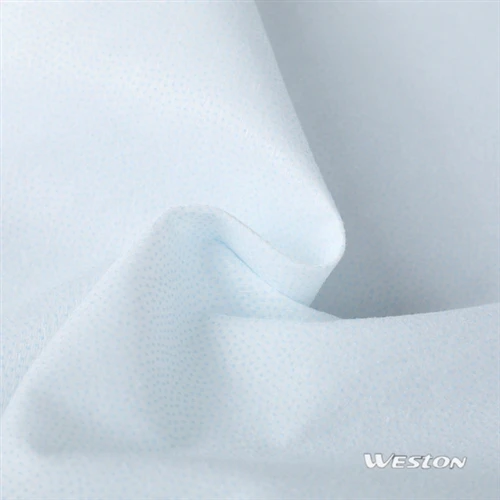
If you've noticed little white fibers left behind after wiping, that's not just messy. It means the material is breaking down mid-use. And that usually means more rubbing to get the skin actually clean - more friction, in the exact spot you're trying to protect.
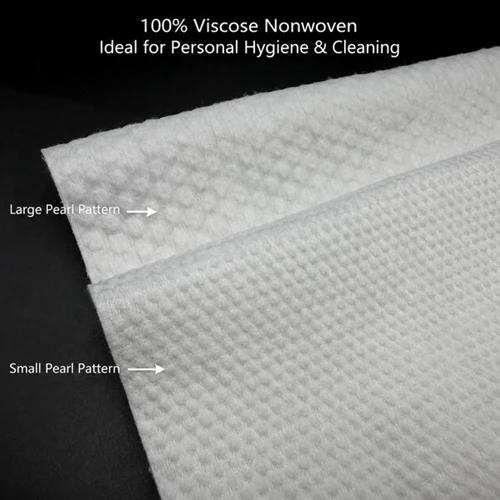
Then there's the catching feeling. A good wipe glides. A wipe that doesn't - one that seems to drag or snag instead of sliding smoothly - is putting real friction on skin that may already be a little irritated. On sensitive skin, that drag can feel less like a wipe and more like a scratch. It's a small thing on its own, but it adds up, change after change.
Moisture level matters too. Too dry, and you need more pressure and more passes to clean anything, which means more friction. Too wet, and heavy daily use can over-soften skin over time. Neither end is comfortable. There's a middle ground, and most well-made wipes aim for it.
And then there's thickness. A thin wipe that tears easily means using two or three to do the job of one - which means more total contact, more total friction, on the same small area of skin.
None of this shows up on the front of the pack. You only notice it by using the wipe.
A Simple Way to Test a Wipe Before You Commit
You don't need a lab. You need a small pack and a few days.
Start small. Buy a travel-size or small pack instead of committing to a bulk box, especially for a wipe you haven't used before.
Patch-test first. Try it on the inner wrist or elbow, and wait a day before using it for a full change. This catches obvious reactions before they happen somewhere more sensitive.
Then, over the first several real uses, watch for three things: whether redness lingers after wiping, whether residue is left behind, and how the wipe feels as it moves across skin - smooth, or catching.
One more thing worth saying plainly: sensitive skin is individual. A wipe that works for most babies can still not work for yours. That's not a failure on your part, and it's not necessarily a flaw in the wipe either. It's just how skin works - differently, for everyone.
Quick Checklist
The short version, to keep on hand:
- No added fragrance
- No alcohol
- No MIT, parabens, or formaldehyde-releasing preservatives
- pH-balanced - ideally stated, not just claimed
- Smooth texture, minimal residue or pilling
- Thick enough that it doesn't tear apart mid-use
- Comfortably moist - not dry, not soaking
Let the Label Start the Conversation, Not End It
Packaging language is a starting point. It's not proof of anything.
The real test is always how your baby's skin responds, over the first several uses, in real conditions - not how confident the words on the front of the pack sound.
You don't need to become a chemist to protect your baby's skin. You just need to know which five or six words, on the back of the pack, are worth reading twice.