A Practical Guide for Every Gardener
Ever wondered why garden shops sell "weed fabric," "landscape fabric," and "weed membrane" like they're three different products? They're not. These terms are basically interchangeable-just different marketing language for the same thing. The real difference lies in their construction: whether they're woven or non-woven, which dramatically changes how they perform in your garden.
What You're Actually Buying
Weed control products are thin sheets made from polypropylene fibers or polyester, bonded together to create a porous barrier. Their job is straightforward: suppress weeds while letting water and air pass through. That's it. The names might vary, but the function is identical.

Woven vs. Non-Woven: The Real Distinction
Woven fabric is made by interlocking polypropylene tapes in a crisscross pattern. It's stronger, denser, and less permeable to water. This durability makes it ideal for gravel pathways, parking areas, and permanent installations where heavy traffic happens. You won't tear it easily, and it won't degrade quickly.
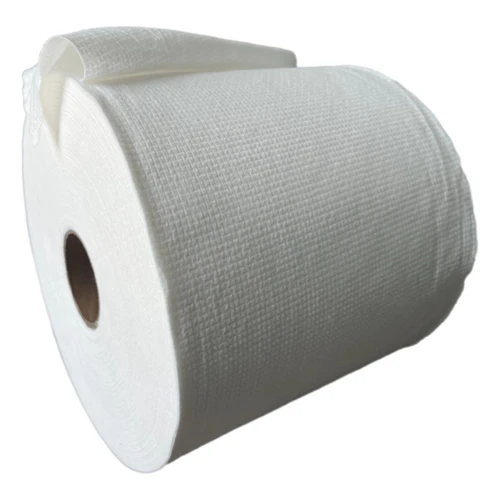
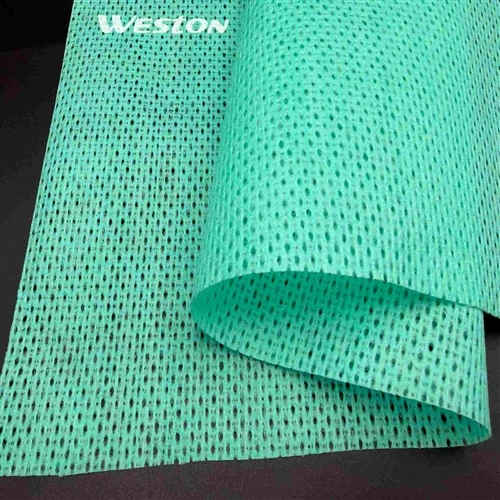
Non-woven fabric, like PP Nonwoven Weed Barrier Fabric, is created by bonding fibers with heat and pressure, resulting in a felt-like texture. It's more permeable, easier to cut around plants, and allows better water infiltration. Gardeners prefer this type for flower beds and areas with regular planting changes.
The Honest Performance Timeline
Here's what actually happens-not what marketing promises:
Year 1: Works great. Weeds from below are blocked, and your beds look clean.
Years 2-3: Problems emerge. Wind-blown soil and decomposing mulch create a new "soil layer" on top of the fabric. Weed seeds blow in and germinate there. Their roots penetrate the fabric easily. Meanwhile, earthworms and beneficial microbes struggle with reduced air flow.
Year 3+: The fabric becomes the enemy. Perennial roots tangle in it, making removal a nightmare. New weeds root through effortlessly. What was supposed to solve your weed problem becomes another maintenance task.
The Upsides and Downsides
Advantages:
Immediate weed suppression in year one
Prevents soil erosion on slopes
Stops aggressive rhizomes (mint, bamboo)
Good under inorganic mulches (gravel, stone)
Provides ground stabilization
Works well in low-maintenance shrub beds
Budget-friendly initial investment
Disadvantages:
Degrades soil health over time (reduced microbial activity, earthworm movement)
Becomes less effective after 2-3 years
Creates a nightmare when you want to expand plant roots
Requires removal eventually (expensive labor)
Not ideal for vegetable gardens or annual beds
Restricted air and water flow affects long-term plant vigor
Can trap salt and nutrients in upper soil layers
Makes seasonal planting changes difficult
Puncturing it for new plants weakens the entire sheet
When It Actually Works Well
Use fabric for non-planted areas: gravel driveways, mulched pathways, under decorative stones, or beneath ground-level decking. It excels here because you're not fighting root systems or seasonal plant changes.
Skip it for active gardens: vegetable beds, annual borders, perennial gardens where you amend soil regularly. The restrictions outweigh the benefits.
A Better Approach
Instead of relying on fabric as a permanent solution, consider layering methods. Use Color-Coded HDPE Nonwoven Fruit Covers for protecting specific plantings while allowing air circulation. Pair heavy mulch (3-4 inches) with occasional hand-weeding. Add compost annually to build soil instead of sealing it. These approaches take more effort initially but create healthier, more resilient gardens long-term.

The Reality Check
Weed fabric and membrane aren't magic. They're temporary tools-realistic lifespan is 3-5 years in active beds, longer in low-maintenance areas. The best gardening strategy combines multiple approaches: using fabric strategically where it makes sense, building soil health through organic amendments, and accepting that some weeding is just part of gardening.
Your soil is a living ecosystem, not a sterile surface to isolate. The most productive gardens don't rely on barriers; they embrace active soil building and thoughtful plant management.
Looking for quality nonwoven weed barrier solutions? Weston Nonwoven manufactures PP Nonwoven Weed Barrier Fabric and Color-Coded HDPE Nonwoven Fruit Covers designed for real-world gardening needs. Request a free sample to see the difference quality makes: info@westonmanufacturing.com