Postpartum recovery is a journey marked by gradual physical healing, and one of the most critical markers of this process is lochia- the natural vaginal discharge that follows childbirth. Composed of blood, uterine lining tissue, and mucus, lochia not only signals the uterus's return to its pre-pregnancy size but also directly determines how long new mothers need to wear maternity pads. Unlike regular sanitary pads, maternity pads are engineered to handle the unique flow and consistency of lochia, while also protecting the sensitive perineal area (especially for mothers with tears or episiotomies). Understanding lochia's stages, duration, and variations is key to answering the question "How long to wear maternity pads?"-a concern that tops many new parents' postpartum checklists.
Understanding Postpartum Lochia: The Core Factor Determining Wear Duration
Lochia progresses through three distinct stages, each with unique characteristics and durations. These stages act as a roadmap for how long maternity pad use is necessary, as each phase demands different levels of protection.
Stages of Postpartum Lochia (and Their Typical Durations)
Lochia Rubra (0–3 Days Postpartum): This initial stage is defined by bright red discharge, often with small blood clots (no larger than a cherry). The volume is significantly heavier than a typical menstrual period-ranging from 80 to 150 milliliters per day-and may require frequent pad changes. This heavy flow means continuous maternity pad wear is non-negotiable during these first three days
Lochia Serosa (4–10 Days Postpartum): As the uterus continues to heal, lochia transitions to a pinkish-brown or watery (serous) consistency. The volume drops dramatically to 20–50 milliliters per day, and blood clots become rare. While the flow is lighter, it is still unpredictable, necessitating consistent maternity pad wear, though the type of pad can be adjusted.
Lochia Alba (11 Days–6 Weeks Postpartum): By the 11th day, lochia lightens to a pale yellow or white color, with a thick, mucus-like texture. Volume decreases to less than 10 milliliters per day-comparable to light menstrual flow. During this stage, the need for maternity pads becomes more flexible.
Factors Influencing Lochia Duration (and Thus Pad Wear Time)
While the three-stage timeline is typical, individual variations can extend or shorten how long maternity pads are needed. These factors include:
Individual Health Factors: Hormonal balance plays a major role; low oxytocin levels can slow uterine contractions, prolonging lochia.
Delivery Method Differences: Vaginal delivery often results in slightly longer overall lochia duration due to the physical stress on the uterus. In contrast, C-section mothers typically have shorter lochia rubra stages.
Postpartum Care Quality: Adequate rest and a nutrient-rich diet support uterine healing and reduce lochia duration.
Stage-by-Stage Guidance on How Long to Wear Maternity Pads

The duration of maternity pad wear evolves with each lochia stage. Below is a practical, stage-specific breakdown to help new mothers plan.
Lochia Rubra Stage (0–3 Days): Mandatory, Continuous Wear
During this heavy flow stage, continuous maternity pad wear is essential. The rationale is twofold: the high volume of discharge makes leakage inevitable without constant protection, and maternity pads help monitor health-tracking blood clot size and bleeding frequency.
Lochia Serosa Stage (4–10 Days): Consistent Wear, with Gradual Adjustment
As flow decreases, consistent pad wear remains important, but adjustments can be made for comfort. Most mothers will need to wear medium-absorbency maternity pads throughout this stage. If flow is particularly light, overnight wear may become optional.
Lochia Alba Stage (11 Days–6 Weeks): Flexible, Tapering Wear
In this stage, pad wear becomes highly flexible as the minimal, pale yellow discharge is easy to manage. Light-absorbency maternity pads or high-quality regular sanitary pads are sufficient for daytime wear, and overnight wear can often be discontinued.
How to Judge When to Stop Wearing Maternity Pads Completely
Knowing when to stop wearing maternity pads requires paying attention to physical indicators and being aware of warning signs that signal the need to delay stopping.
Clear Physical Indicators
The most reliable sign to stop pad wear is the complete disappearance of lochia that requires protection:
Lochia Disappearance: No vaginal discharge that leaves stains on underwear for 2–3 consecutive days.
Consistent Flow Reduction: No sudden spikes in discharge volume, even after activity.
Warning Signs to Delay Stopping (and Seek Medical Advice)
In some cases, prolonged or abnormal lochia means pad wear should continue, and a doctor should be consulted. These warning signs include:
Prolonged Lochia: Still needing to wear pads after 6 weeks postpartum or lochia that remains red or pinkish-brown beyond 10 days.
Abnormal Lochia Traits: Foul-smelling discharge, large blood clots, or sudden heavy bleeding may signal infection or postpartum hemorrhage.
Tips for Optimizing Maternity Pad Wear During the Postpartum Period
Wearing maternity pads correctly not only ensures comfort but also reduces the risk of irritation, infection, and waste. Below are key tips to optimize pad wear:
Matching Pad Type to Wear Phase
Choosing the right pad for each lochia stage prevents discomfort and leakage:
Lochia Rubra: Use super-absorbent maternity pads (labeled with 150ml+ absorption capacity).
Lochia Serosa: Switch to medium-absorbent pads (100–150ml capacity).
Lochia Alba: Opt for light-absorbent maternity pads or premium regular sanitary pads.
Balancing Hygiene and Comfort
Maintaining hygiene is crucial, but over-changing pads can cause unnecessary irritation:
Replacement Frequency: Change pads every 3–6 hours, even if they feel only slightly soiled.
Skin Care: After removing a pad, clean the perineal area with warm water and pat dry gently.
Monitoring Wear-Related Issues
Pay attention to signs of discomfort, as they may indicate a need to switch pad types:
Pad Rash: Redness or itching may indicate a need for cotton-based pads.
Chafing: Choose pads with a contoured shape and soft edges to reduce friction.
Recommended Solution for High-Quality Maternity Pads: Weston Nonwoven Factory
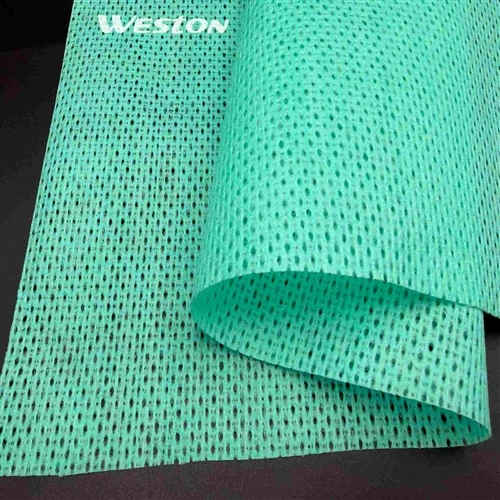
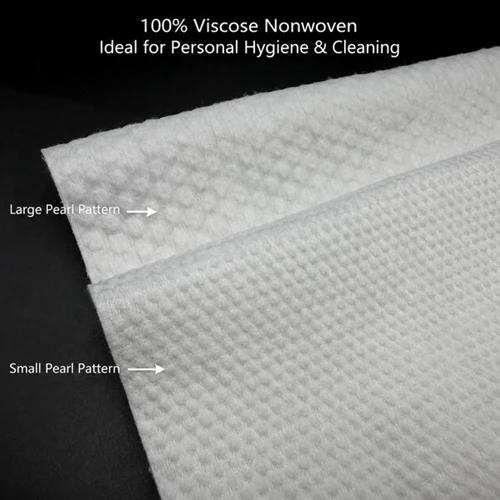
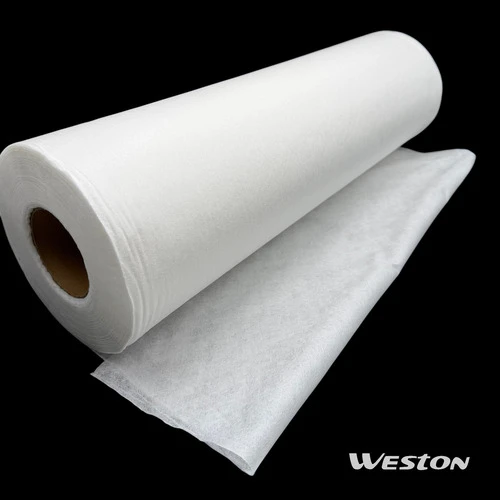
The effectiveness of maternity pads depends largely on the quality of their core material: nonwoven fabric. Weston Nonwoven Factory stands out as a trusted manufacturer specializing in spunlace nonwoven fabrics.
Advantages of Weston Nonwoven's Maternity Pad-Related Products
Customization: Tailored solutions to meet unique needs.
Safety and Comfort: Hypoallergenic, chemical-free materials that meet global medical standards.
Derivative Product Range: Supporting the production of essential postpartum recovery products.
Request a Free Sample
For brands looking to develop or upgrade their maternity pad lines, Weston Nonwoven offers free samples. To request a sample or learn more about their product range, contact the factory via email at info@westonmanufacturing.com.
With Weston Nonwoven's expertise, brands can create maternity pads that prioritize both functionality and mother comfort-supporting a healthier, more positive postpartum experience.
This formatting enhances clarity and flow, making it easier for readers to navigate the article and absorb the information.