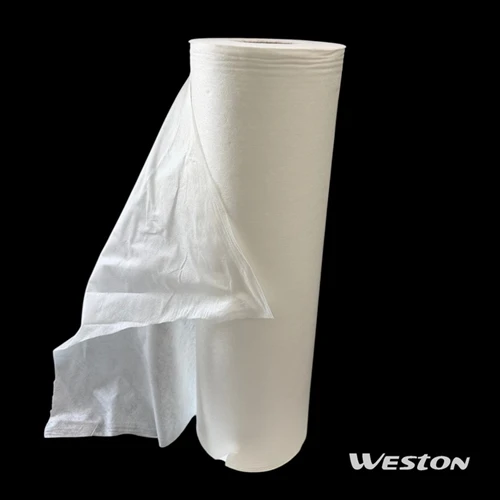
The Science Behind Absorbent Core Materials
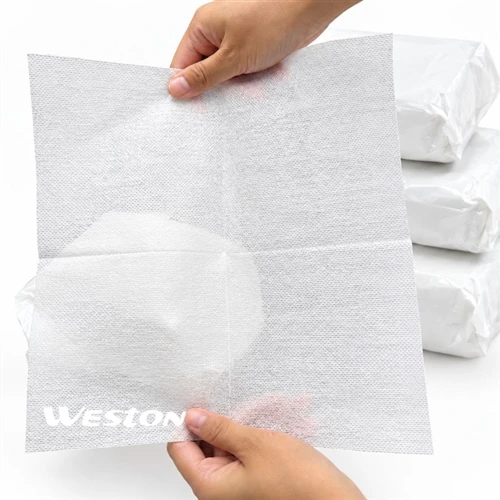
At the heart of modern hygiene products lies a remarkable material innovation: the Fluff Pulp PP Absorbent Layer. This advanced composite represents the culmination of decades of research in fiber technology and absorption science. The material combines the exceptional liquid retention properties of fluff pulp with the structural integrity provided by polypropylene fibers-typically in formulations such as 66% fluff pulp and 34% polypropylene. This specific balance is engineered to achieve optimal performance in both absorbency and durability.
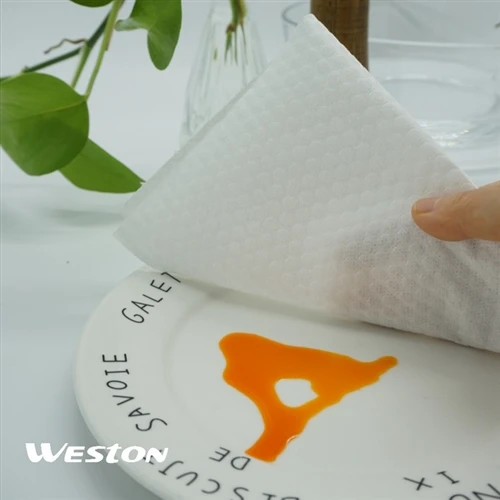
The absorption process in these materials is governed by capillary action, where liquid is drawn into the porous network between fibers. Fluff pulp, primarily derived from wood cellulose, contains numerous hydroxyl groups that form hydrogen bonds with water molecules. This mechanism allows the material to absorb significant amounts of liquid-often many times its own weight. The polypropylene component serves a dual purpose: it provides a reinforcing scaffold that maintains structural integrity when wet and creates additional void spaces for liquid distribution throughout the absorbent core.
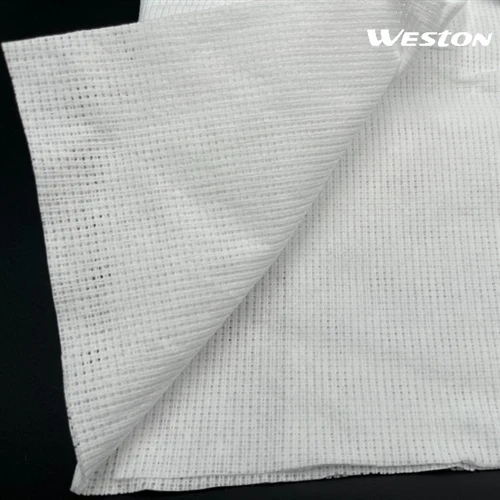
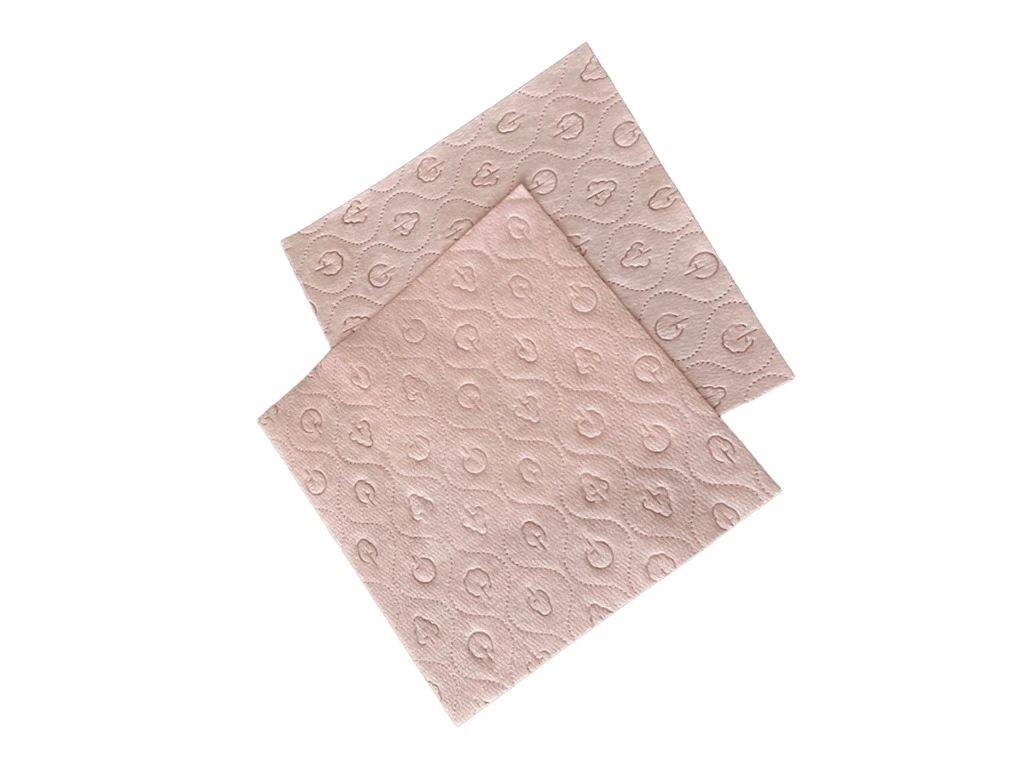
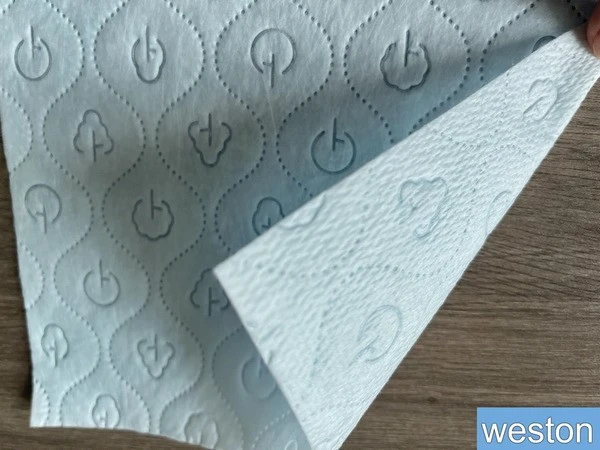
Material science innovations have further enhanced these absorbent layers through embossing processes and strategic fiber orientation. Embossing not only increases surface area for faster absorption but also creates dedicated channels for liquid transport, preventing localized saturation and improving overall distribution. The random fiber arrangement typical in nonwoven fabrics creates a tortuous path that maximizes particle capture and liquid retention-a critical property for hygiene and medical applications.
Engineering Superior Performance in Hygiene Products
The performance demands on absorbent layers vary significantly across applications, driving continued innovation in material engineering. In baby diapers, the Absorbent Nonwoven Fabric For Diaper Core must simultaneously provide rapid acquisition (quickly pulling moisture away from the skin), excellent distribution (spreading liquid throughout the core), and secure retention (locking moisture away even under pressure).
The integration of superabsorbent polymers (SAP) with fluff pulp has revolutionized diaper technology. These hydrogels can absorb hundreds of times their weight in liquid, transforming from powder to gel upon contact with moisture. When strategically distributed within the Baby Diaper Raw Material matrix, SAP particles create a multidimensional absorption system: the fluff pulp provides rapid initial uptake and liquid distribution, while the SAP particles provide ultimate retention capacity.
Advanced manufacturing techniques now enable precise layering of materials with different properties. Modern absorbent cores often feature gradient density designs, with more open, porous structures on the side facing the body for rapid intake, and increasingly dense layers beneath for maximum retention. This zoned approach optimizes performance while minimizing material usage-allowing for thinner, more comfortable products that maintain exceptional protection.
Table: Key Performance Properties of Advanced Absorbent Core Materials
|
Property |
Importance |
Measurement Standards |
|
Absorption Capacity |
Determines how much liquid the core can hold |
Grams of fluid per gram of material |
|
Acquisition Rate |
How quickly fluid is pulled from the surface |
Seconds for specific volume transfer |
|
Rewet Performance |
How little liquid returns under pressure |
Grams of fluid released under pressure |
|
Vertical Wicking |
Ability to distribute fluid throughout the core |
Distance fluid travels in specific time |
|
Dry Integrity |
Strength of material when dry |
Tensile strength measurements |
|
Wet Integrity |
Strength of material when saturated |
Tensile strength after saturation |
Multifaceted Applications Across Healthcare and Hygiene
The versatility of fluff pulp-PP composites extends across multiple domains where fluid management is critical. In healthcare settings, these materials form the core of Maternity Pads After Birth, which require exceptional absorbency combined with skin-friendly properties. Postpartum recovery presents unique challenges, including high flow rates and sensitive skin conditions. The ideal material must rapidly draw moisture away from the skin while maintaining a soft, non-irritating surface-properties achieved through specialized hydroentanglement processes that create exceptionally fine, smooth fiber networks.
Beyond maternity care, advanced absorbent layers serve crucial roles in medical applications including surgical drapes, wound care dressings, and patient underpads. Each application demands specific performance characteristics: surgical drapes require both absorbency and barrier properties, while wound dressings need enhanced breathability in addition to absorption capabilities. The adaptability of fluff pulp-PP composites allows manufacturers to tailor materials to these diverse requirements through adjustments in fiber composition, bonding methods, and structural design.
The industrial applications of these materials are equally impressive. Manufacturing facilities utilize absorbent mats based on similar technology for spill containment, with enhanced resistance to oils and industrial chemicals. The automotive sector employs specialized variants for managing fluids during maintenance and repair operations. In each case, the fundamental principle remains consistent: combining hydrophilic and hydrophobic components in an optimized structure to achieve targeted performance characteristics.
Material Innovations and Technological Advancements
Recent years have witnessed significant advancements in absorbent core technology, particularly in the realm of sustainable materials. The integration of bamboo fibers, organic cotton, and other renewable materials has expanded the performance profile of traditional fluff pulp-PP composites. These natural fibers offer inherent antibacterial properties and enhanced sustainability credentials while maintaining excellent absorption characteristics.
The development of vertically integrated manufacturing processes has enabled unprecedented control over material properties. Modern production facilities can precisely manipulate fiber orientation, density gradients, and SAP distribution throughout the Absorbent Nonwoven Fabric For Diaper Core. This level of control allows for creating zones with different properties within a single continuous material-for instance, areas with enhanced acquisition speed in regions expecting the highest fluid input, and zones with maximum retention capacity in other areas.
Another significant innovation lies in the incorporation of intelligent materials that respond to environmental conditions. Some advanced absorbent layers now feature pH-responsive elements that change color when exposed to different fluid compositions, providing valuable health monitoring capabilities particularly valuable in Maternity Pads After Birth and other medical applications. While still emerging, this technology represents the convergence of traditional absorbent materials with digital health monitoring.
Environmental Considerations and Sustainable Solutions
The environmental impact of disposable absorbent products has driven substantial innovation in material sustainability. Modern Fluff Pulp PP Absorbent Layer designs increasingly incorporate recycled content while maintaining performance standards. The polypropylene component, derived from petroleum, is now often replaced partially or completely with recycled materials without compromising functionality.
End-of-life considerations have prompted the development of biodegradable and compostable variants. While traditional absorbent cores present challenges for recycling due to their composite nature, new formulations utilize biodegradable binding systems and fibers that break down more readily in specific conditions. These developments must balance degradation profiles with the necessary shelf stability and performance integrity during product use.
The sustainable sourcing of raw materials has become increasingly important. Responsible manufacturers now prioritize fluff pulp derived from certified sustainable forestry operations, ensuring renewable sourcing of the wood-based components. Some forward-thinking companies are exploring alternative fiber sources including agricultural waste products and rapidly renewable bamboo, reducing pressure on traditional forest resources while maintaining material performance.
Energy and water efficiency in manufacturing processes have seen significant improvements. Modern production facilities employ closed-loop water systems and energy recovery technologies to minimize environmental footprint. These advancements reflect the industry's commitment to reducing environmental impact across the entire product lifecycle-from raw material extraction through manufacturing to eventual disposal.
Customization and Specialized Applications
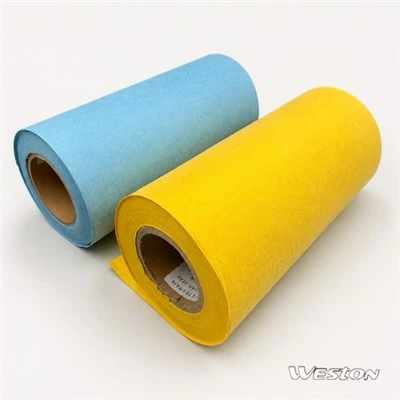
The versatility of nonwoven manufacturing processes enables remarkable customization capabilities for specific applications. Advanced producers like Weston offer tailored solutions with variations in weight (ranging from 35gsm to 120gsm), color options, embossing patterns, and size specifications. This flexibility allows product designers to optimize materials for highly specific use cases.
In healthcare settings, customization might include impregnating the Absorbent Nonwoven Fabric For Diaper Core with antimicrobial agents for infection control, or adding odor-control compounds for enhanced patient comfort. For industrial applications, treatments might focus on chemical resistance or enhanced affinity for specific types of spills (oil vs. water-based fluids).
The embossing process represents another dimension of customization potential. Beyond aesthetic considerations, strategic embossing patterns can significantly enhance material performance by creating dedicated channels for fluid distribution, increasing surface area for faster absorption, and improving flexibility for better conformity to surfaces. These patterns are engineered using computational fluid dynamics models to optimize performance for specific applications.
Future Directions and Emerging Technologies
The future of absorbent core technology points toward increasingly intelligent and responsive materials. Research initiatives are exploring incorporating sensors that can detect and report specific biomarkers in bodily fluids, transforming passive absorbent products into active health monitoring devices. These technologies could revolutionize postnatal care by providing early warning of potential complications through continuous monitoring of postpartum recovery.
Advanced manufacturing techniques including 3D printing of absorbent structures offer unprecedented control over internal architecture. Rather than the relatively uniform fiber distribution typical of current nonwovens, these technologies enable creating optimized microstructures with dedicated channels for rapid fluid transport and specialized zones for maximum retention. This approach mirrors developments in other fields where additive manufacturing enables complex geometries previously impossible to achieve.
Nano-scale engineering represents another frontier for advancement. Treatments that modify fiber surfaces at the molecular level can dramatically enhance wicking performance, prevent bacterial adhesion, or create selective barriers that allow air passage while blocking liquids. These nano-technologies promise to unlock new performance benchmarks while potentially reducing material usage through enhanced efficiency.
The integration of smart responsive materials continues to advance. Temperature-responsive polymers that change their absorption characteristics based on environmental conditions, pH-sensitive components that adjust their performance based on fluid chemistry, and shape-memory materials that optimize their structure during use all represent active areas of research and development.
Weston Manufacturing's Technical Expertise
Weston Manufacturing has positioned itself at the forefront of absorbent core technology through continuous innovation and technical specialization. Their Fluff Pulp PP Absorbent Layer products exemplify the sophisticated material engineering possible with current nonwoven technologies. By maintaining precise control over material composition (typically 66% fluff pulp and 34% polypropylene) and employing advanced embossing techniques, Weston achieves optimal performance characteristics for various applications.
The company's product development approach integrates comprehensive testing protocols that evaluate not only basic absorption metrics but also application-specific performance parameters. For Maternity Pads After Birth, this includes assessing skin compatibility, breathability, and rewet properties under realistic use conditions. For industrial applications, testing focuses on chemical resistance, tensile strength when saturated, and absorption kinetics for various fluid types.

Weston's manufacturing capabilities include flexible production lines that can accommodate both large-scale standardized production and smaller customized runs. This flexibility allows them to serve diverse market segments from hygiene and healthcare to industrial and specialty applications. Their technical team works closely with clients to optimize materials for specific requirements, leveraging extensive experience in fiber selection, structural design, and finishing treatments.
Prospective professional buyers can evaluate Weston's Absorbent Nonwoven Fabric For Diaper Core and other technical materials by requesting samples through info@westonmanufacturing.com. This opportunity to test materials under real-world conditions ensures performance meets specific application requirements before committing to production-scale orders.
The future of absorbent core technology continues to evolve, driven by advancing material science, manufacturing innovations, and increasingly sophisticated application requirements. As performance expectations escalate and sustainability considerations become more pressing, manufacturers like Weston continue to push the boundaries of what's possible with nonwoven absorbent technologies-delivering enhanced protection, comfort, and environmental responsibility through scientific innovation and technical excellence.