Why cleansing pads are useful-and where they fall short
What they do well:
Fast removal of surface makeup, dirt, and some oil
Gentle, pre-cleanse action that can reduce bacterial transfer from cloths or towels
What they don't do:
They rarely reach deeper into pores to dissolve comedones, sebum, and embedded debris
They may leave passive residues or fail to remove certain water- or oil-soluble impurities
Mechanisms at play:
Pads provide mechanical and chemical cleansing but rely on a subsequent rinse with water and a mild cleanser to finish the job

The science of double-cleansing
Double-cleansing principle:
Step 1: Remove makeup, sunscreen, and surface debris with a pad or wipe
Step 2: Use a gentle cleanser with water to dissolve remaining oils and impurities
Why this sequence supports skin health:
Reduces pore congestion
Improves subsequent product absorption
Minimizes irritation from residual cleansing agents
When to adapt:
Oily or acne-prone skin often benefits from a thorough second cleanse
Very dry or sensitive skin may require a milder cleanser and shorter rinse
How to integrate cleansing pads into a routine
Practical flow:
Morning: cleansing pad pass over face to remove overnight buildup, then rinse with water and apply toner/serum
Evening: cleansing pad to wipe away makeup and sunscreen, followed by a gentle cleanser rinse
Tips for effectiveness:
Moisten the pad lightly if needed, but avoid soaking skin
Use gentle, circular motions; avoid harsh scrubbing
Rinse thoroughly with lukewarm water to remove pad residue and cleanser
Pat dry with a clean towel to minimize irritation
Customization for skin types
Oily/acne-prone skin:
Prioritize a second cleanse with a water-based cleanser to ensure complete removal of sebum and residues
Dry/sensitive skin:
Choose pads with mild surfactants and follow with a hydrating cleanser; ensure the rinse is gentle to avoid stripping
Normal/combination skin:
A balanced approach: cleansing pad, light rinse, and a gentle cleanser to maintain natural moisture

Ingredients and formulation notes
Surfactants and cleansing agents:
Favor mild, non-irritating surfactants to minimize strip
Residual concerns:
Some pads may leave trace residues; a final rinse helps mitigate this
Hydration boosters:
Look for pads or cleansers that include glycerin, ceramides, or humectants to support skin barrier
Debunking myths and addressing concerns
Myth: If a pad feels slick, the skin is already clean.
Reality: slickness can come from moisturizers or residues; rinsing and a proper cleanse confirms cleanliness
Myth: Cleansing pads alone are enough, no need to wash.
Reality: pads are an adjunct; thorough cleansing with water-based products completes the task
Myth: More steps equal better skin.
Reality: appropriate steps tailored to skin type and needs yield better outcomes

Practical tips and best practices
Hygiene:
Use fresh pads and avoid reusing materials that harbor bacteria
Timing:
Allow time for the face to air-dry after rinsing before applying products
Consistency:
Develop a routine that sticks to the two-step cleansing sequence for several weeks to observe changes
Integrating Weston Factory products into the narrative (brief, non-promotional)
The science-based routine can incorporate cleansing tools in a measured way, emphasizing how a pad-based first step pairs with a subsequent cleansing stage for optimal results
Mention of product lines:
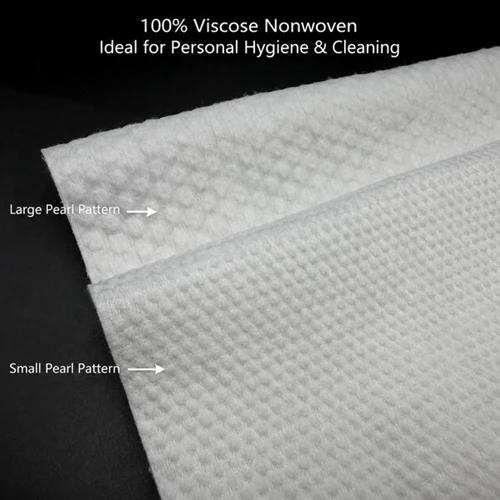
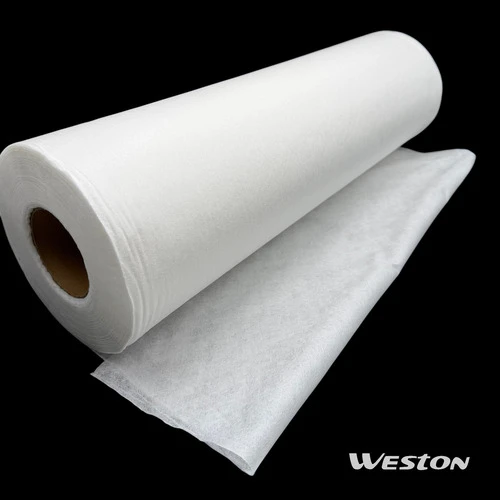
Bold emphasis on key product lines like Pore Purifying Pads, Multi-Size Round Makeup Pads, and Black Bamboo Charcoal Fiber Makeup Remover Nonwoven as examples of materials and designs that support surface cleansing
These references are included to illustrate how design choices influence cleansing efficacy and user experience
Note: Specific brand performance claims are avoided; the focus remains on general science-backed practices and how such tools fit into a robust skincare routine
Final takeaway
A conscientious skincare routine treats cleansing pads as the initial contact with the skin, followed by a proper rinse and a second cleanse to ensure true cleanliness, pore health, and better product absorption. The goal is to balance efficiency with skin-care science for lasting skin health.