--Stop Turning Your "Skin Helper" into a "Skin Killer"
Why Your Cleansing Pad Routine Might Be Harming Your Skin
Let's be real: You grab a cleansing pad, splash some cleanser on it, and rub your face like you're polishing a dirty pot. Sound familiar? Well, here's a wake-up call: 9 out of 10 people are using cleansing pads wrong-and their skin is paying the price.
It's not your fault. Most of us think "harder = cleaner," but that's a total myth. Let's break it down with science. Your skin's outermost layer, the stratum corneum, is made of 15-20 layers of dead skin cells held together by a lipid membrane. This membrane is like a protective "brick wall"-it keeps moisture in and dirt out. When you rub a cleansing pad back and forth aggressively, you're not just removing makeup; you're scraping off those protective "bricks." Over time, the wall crumbles, leaving your skin sensitive, red, and prone to breakouts.
Worse, reusing the same pad for your entire face is like taking a dirty sponge and wiping it all over your counter. You remove eye makeup (which is loaded with waterproof pigments and oils) first, then drag that same pad across your cheeks and forehead-effectively smearing dirt back into your pores. It's a classic case of "cleaning" that's actually just rearranging the mess.

The Top 3 Mistakes You're Probably Making (And Why They're Bad)
Let's call out the bad habits directly-no sugarcoating here. These mistakes seem harmless, but they're quietly damaging your skin.
1. Rubbing Like You're Scrubbing a Stain
You might think, "If I rub harder, I'll get every last bit of foundation off." But here's the truth: Waterproof makeup or sunscreen doesn't budge from rubbing-it needs dissolving, not scraping. When you rub, the fibers of the pad create micro-tears in your stratum corneum. A 2022 study in the Journal of Cosmetic Dermatology found that people who rub their faces with cleansing pads daily have 37% more transepidermal water loss (TEWL) than those who use gentle patting motions. TEWL is just a fancy way of saying "your skin is losing moisture faster"-aka dry, tight, flaky skin.
2. Using a Dry (or Barely Wet) Pad
Ever tried to clean a greasy plate with a dry paper towel? It just smears the grease around, right? The same goes for cleansing pads. If your pad isn't fully saturated with cleanser or water, it can't dissolve makeup or dirt. Instead, it drags those impurities across your skin, and the dry fibers act like sandpaper.
Here's the science: Cleansing products work by emulsifying oils (like sebum or makeup oils). Emulsification needs water to break down the oils into tiny droplets that can be wiped away. A dry pad skips this step-so you're not cleaning; you're just moving gunk around.
3. Skipping the "Check" Step
You wipe your face, toss the pad, and call it a day. But have you ever checked your jawline, hairline, or the corners of your mouth after? Those are "blind spots" where makeup and cleanser residue love to hide. Residue builds up over time, clogging pores and causing breakouts. Think of it like leaving crumbs on the floor-they're small at first, but eventually, they attract bugs. For your skin, those "bugs" are blackheads and whiteheads.
The Correct 4-Step Routine: Science-Backed and Easy to Follow
Enough with the mistakes-let's talk about how to do it right. This routine is simple, backed by dermatological principles, and takes less than 5 minutes.
Step 1: Pick the Right Pad (It's Not One-Size-Fits-All)
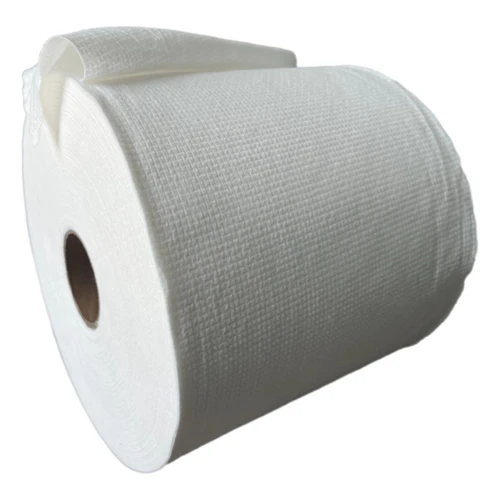
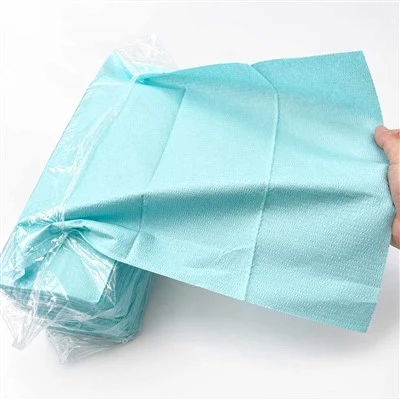
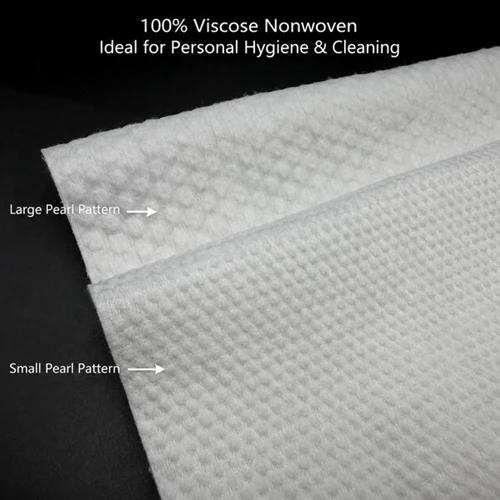
First, forget those thin, flimsy pads that fall apart mid-use. You need a pad that's thick enough to hold cleanser without dripping, and soft enough to avoid irritation. Look for pads made of non-woven fabric-they're gentler than cotton and less likely to leave lint.
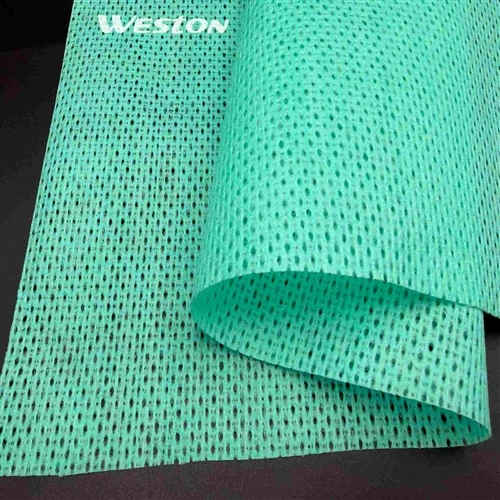
For example, Dot Pattern Cleansing Pads (like those from Weston Nonwoven) are designed with a dotted surface. The dots create tiny gaps between the pad and your skin, reducing friction while still lifting dirt. They're a game-changer for people with sensitive skin-no more redness after cleansing.
Step 2: Saturate the Pad (But Don't Drown It)
Hold the pad under your cleanser or water until it's fully damp-you should be able to squeeze it gently without water dripping everywhere. If you're using a water-based cleanser, make sure the pad is completely saturated; if you're using an oil-based cleanser, a light dampness is enough (oil and water don't mix, so too much water will dilute the cleanser).
Pro tip: Press the pad against your skin for 3 seconds before wiping. This gives the cleanser time to start emulsifying makeup-so you don't have to work as hard.
Step 3: Wipe in the "Clean to Dirty" Order
This is the secret to avoiding cross-contamination. Always start with the cleanest parts of your face and move to the dirtiest. Here's the order:
Eyes: Use a separate pad (or the clean edge of your pad) for eye makeup. Gently press the pad against your closed eyelid for 5 seconds, then wipe downward-never pull upward (your eye skin is 10x thinner than your cheek skin!). For stubborn mascara, try Sterile Eye Wash Pads-they're designed to be extra gentle on the eye area, so you won't irritate your lashes or lids.
Forehead and Cheeks: Wipe in upward motions (this helps with circulation, bonus!). Follow your skin's natural texture-for your forehead, wipe from the center to your temples; for your cheeks, wipe from your jawline up to your cheekbones.
T-Zone and Jawline: These are the oiliest, dirtiest areas (thanks to sebaceous glands). Use the last clean part of your pad, and wipe gently-no rubbing!
Step 4: Do a "Residue Check" (Trust Me, It's Worth It)
Grab a fresh, damp pad (or rinse your used one if it's still clean) and wipe your jawline, hairline, and nose creases. If the pad comes away with makeup or cleanser residue, wipe those areas again. This step takes 10 seconds, but it's the difference between "sort of clean" and "deep clean."
Pros and Cons of Cleansing Pads: Let's Be Honest
Cleansing pads aren't perfect-they have upsides and downsides. Let's lay them all out so you can decide if they're right for you.
Pros
Convenience: They're perfect for travel or late nights when you're too tired to wash your face. No need for a sink-just wipe and go.
Precision: They can reach tiny areas like the corners of your mouth or under your nose, which your hands or a washcloth might miss.
Controlled Cleansing: You use exactly the right amount of cleanser-no over-sudsing, which can dry out your skin.
Cons
Potential for Irritation: If you use the wrong pad or rub too hard, you'll damage your skin barrier (we talked about this earlier!).
Waste: Disposable pads create more waste than washcloths. But here's a hack: Reuse your clean pad to wipe down your makeup brushes or vanity-no more wasted fiber!
Residue Risk: If you skip the check step, you'll end up with leftover cleanser. This is easy to fix, but it's still a downside.
Beyond Cleansing: 3 Unexpected Uses for Cleansing Pads
Cleansing pads are more versatile than you think. Here are three science-backed ways to use them beyond removing makeup.
1. Second Cleansing for Pore Health
After washing your face with a cleanser, take a pad soaked in toner and wipe your face. This is called "second cleansing," and it removes any leftover cleanser or dead skin cells. For extra pore care, try Pore Purifying Pads-they're formulated to unclog pores without drying them out. A 2023 study found that people who do second cleansing with a pad have 28% fewer clogged pores than those who don't.
2. Emergency Skin Soothing
If your skin is red or irritated (from sunburn, wind, or harsh products), soak a pad in aloe vera gel or a calming toner. Press it against the irritated area for 5 minutes. The pad holds the product in place, so the soothing ingredients penetrate deeper. It's like a mini mask that takes 2 minutes to prep.
3. Detail Cleaning for Your Beauty Tools
Your makeup brushes and eyelash curlers are covered in bacteria-gross, right? Wipe them down with a damp cleansing pad after each use. The pad's fibers get into the brush bristles or the crevices of your curler, removing makeup and bacteria. It's a quick way to keep your tools clean without deep cleaning them every week.
A Note on Quality: Why Not All Pads Are Created Equal
Not every cleansing pad is made the same-and the difference comes down to the material and design. Weston Nonwoven, a factory specializing in non-woven products, focuses on creating pads that are gentle yet effective. Their Pore Purifying Pads, Dot Pattern Cleansing Pads, and Sterile Eye Wash Pads are all made with high-quality non-woven fabric that's lint-free and hypoallergenic. The key is that the fabric is designed to work with your skin, not against it-no more micro-tears or residue.
If you're curious to try, you can request a free sample by contacting info@westonmanufacturing.com. It's a great way to test if the pads work for your skin type without commitment.
The Final Takeaway: Keep It Gentle, Keep It Smart
At the end of the day, using cleansing pads is all about balance. You don't need to rub hard to get clean-you just need to use the right pad, the right technique, and remember the "clean to dirty" rule. Your skin's barrier is your best defense against acne, dryness, and sensitivity-so treat it with care.
Next time you reach for a cleansing pad, think: "Am I polishing, or am I protecting?" Spoiler: Protecting wins every time. And if you find a pad that works? Stick with it-your skin will thank you.