Modern hygiene relies heavily on single-use paper towels-at home, in public restrooms, and across healthcare, hospitality, and food service. Yet the environmental burden of traditional paper towels is substantial: tree harvesting, high water and energy use in pulping, chemical bleaching, bulky logistics, and landfill-destined waste that decomposes anaerobically, releasing methane. The question is not whether to maintain hygiene standards, but how to deliver equivalent or superior performance with a lighter ecological footprint. This article examines the science, systems thinking, and material innovations behind eco alternatives, offering a rigorous, practical, and forward-looking perspective.
The Environmental Problem Behind Paper Towels
Resource intensity: Conventional tissue products typically rely on virgin wood pulp, requiring forestry, long-distance transport, and high-process energy. Even where recycled inputs are used, de-inking and reprocessing carry nontrivial water and chemical footprints.
Chemical load: Optical brighteners and chlorine-based bleaching systems can create unwanted effluents without necessarily contributing to functionality.
Waste dynamics: Used paper towels are commonly contaminated with food residues, oils, and microbes, precluding recycling and diverting the stream to landfill or incineration. In landfills, anaerobic decomposition emits methane, a potent greenhouse gas.
Hidden logistics: Tissue products are low-density, high-volume. Freight emissions per functional use can be significant, particularly in centralized supply chains.
The eco alternative must therefore address both the material substrate and the system of use: sourcing, manufacturing, use-phase efficiency, and end-of-life.
What Makes an Eco Alternative "Eco" in Practice?
Eco, in a scientific and operational sense, is measurable. An alternative becomes truly eco-friendly when it improves on:
Material origin and renewability: Preference for rapidly renewable fibers, recycled content where safe, and non-woody fibers that reduce pressure on forests.
Process efficiency: Lower water, energy, and chemical intensity; closed-loop water management; reduced emissions per kilogram of product.
Functional efficiency: Equal or better absorbency per gram, faster hand-drying, fewer sheets per task-because less used is less produced and discarded.
Hygiene integrity: Demonstrable performance in microbial removal and surface decontamination without relying on harsh chemistries.
End-of-life outcomes: Compostability or biodegradability in relevant environments; compatibility with modern wastewater systems for designated flushable products.
System-level fit: Packaging reduction, on-site dispensing that prevents waste, and product forms that deter overuse.
The Science of Drying: Hands, Surfaces, and Microbial Dynamics

Hand hygiene: Friction is as important as absorbency. Effective fibers remove water and microbes mechanically, minimizing residual moisture that can transfer pathogens. The material structure (fiber diameter, pore size distribution, and surface energy) determines capillary action and wicking speed.
Surface cleaning: Grease and protein residues require fiber matrices that can trap both hydrophilic and hydrophobic soils. A gradient of pore sizes helps capture particulates without smearing.
Reusables vs disposables: Microbial safety hinges on soil load and recontamination risk. In high-risk settings, hygienic disposability remains critical. In low-risk home use, controlled reusable systems can be eco-effective if laundered efficiently.
Material Innovations: Beyond Conventional Pulp
Nonwoven technologies have advanced rapidly. Key categories relevant to eco alternatives include:
Hydroentangled cellulose (spunlace): Water jets entangle fibers into a coherent fabric without binders, enabling high absorbency and softness from plant-based fibers.
Hybrid blends: Cellulose combined with biobased fibers such as viscose or other rapidly renewable inputs can balance strength, absorbency, and biodegradation.
Water-dispersible structures: Engineered web architectures designed to disintegrate under shear in plumbing systems, reducing clog risk for designated flushable formats.
Additive-free performance: Mechanical bonding can eliminate the need for latex binders or formaldehyde-based resins, lowering chemical footprints.
These advances allow tailored performance: fast wicking for hands, tear resistance for kitchen tasks, controlled dispersibility for toilet-compatible wipes, and gentle yet effective wipes for seats and sensitive surfaces.
A Decision Framework: Choosing the Right Eco Alternative
No single product fits every task. Optimal environmental outcomes depend on matching material to usage context:
Hand drying in public restrooms: Rapid, hygienic drying with minimal sheets. Touchless dispensing reduces overuse. Materials must perform in seconds, not minutes.
Home kitchen tasks: Grease pickup, repeated wiping, and compost-friendly disposal of food-soiled sheets. High wet strength and oil uptake with minimal linting.
On-the-go hygiene: Seat wipes and personal wipes must balance efficacy, skin gentleness, and responsible end-of-life-either binning or toilet dispersibility if engineered for it.
Healthcare and food service: High hygiene thresholds and traceable process controls demand consistent, lint-controlled materials that do not shed fibers into critical environments.
Life-Cycle Perspective: How Alternatives Reduce Impacts
Upstream: Switching to hydroentangled nonwovens derived from responsibly sourced plant fibers can reduce energy and chemical inputs compared with some conventional pulping and bleaching chains. Closed-loop water handling in hydroentanglement further limits effluent loads.
Use phase: If an alternative achieves higher absorbency per gram and better mechanical soil removal, fewer units are used per task, lowering total mass consumed.
End-of-life: Compostable or biodegradable formats improve outcomes for food-soiled items. For restroom applications, flushable designs that disperse swiftly reduce bin waste while safeguarding plumbing and municipal systems when validated through stringent dispersion criteria.
The Role of Design: Microstructure, Porosity, and Performance
At the heart of an eco improvement is fiber architecture:
Capillarity: Smaller pores create higher capillary rise, pulling water quickly. A bimodal pore distribution improves both intake and holding capacity.
Fiber chemistry: Hydrophilic cellulose wicks water naturally; surface modifications can optimize wet integrity without persistent synthetic binders.
Basis weight vs efficiency: Heavier does not mean better. Precision layering can outperform higher mass by aligning fiber orientation, pore gradients, and bonding zones.
Surface topology: Micro-texturing increases friction for microbial removal while limiting abrasion on skin.
Addressing Common Misconceptions
"Air dryers are always greener." Not universally. Depending on energy mix, run time, and user behavior (multiple cycles), electric dryers can match or exceed the carbon of efficient disposable systems. Hygiene outcomes also vary by airflow pattern and maintenance.
"Recycled automatically means sustainable." Recycled inputs can be eco-positive, but de-inking, added chemicals, and reduced fiber strength may diminish per-use performance, prompting overconsumption. The right recycled content in the right process is beneficial; performance still matters.
"Flushable equals clog risk." Poorly designed products can cause issues. However, engineered dispersible nonwovens that disintegrate rapidly under turbulence and maintain low tensile strength in waste streams can be compatible with modern systems when used as intended.
Practical Pathways for Households and Facilities
Optimize dispensing: Single-sheet, high-absorbency formats reduce multiple pulls.
Match product to task: Reserve high-strength sheets for oily kitchen jobs; use lighter sheets for routine hand drying.
Segregate waste: Food-soiled towels toward compostable streams where available; keep plastics and films out.
Train for efficiency: Simple signage-"One sheet for dry hands when using high-absorbency towels"-changes behavior and cuts waste significantly.
Where Nonwovens Stand Out
Hydroentangled nonwovens can offer a sweet spot of performance and sustainability:
No binder residues: Mechanical entanglement reduces chemical load.
High absorbency-to-weight ratio: Less mass can do more work.
Consistent web: Low linting and predictable strength, crucial for hygiene-critical contexts.
Tunable end-of-life: From home-compostable formats to water-dispersible structures designed for flushing applications.
Hygiene, Comfort, and User Experience
A product only succeeds if people prefer it. Tactile softness, quiet dispensing, and rapid wicking are not luxuries; they drive proper use. Materials that shed less lint improve air quality and reduce secondary cleaning. For skin-facing products, pH neutrality and low residual chemistry minimize irritation, encouraging consistent hygiene.
Designing for the Plumbing Reality
Toilet-compatible wipes are a special case. The engineering goals are paradoxical: strong in the hand, weak in the pipe. Advanced dispersion profiles solve this by:
Building strength from inter-fiber friction rather than persistent synthetic binders.
Creating shear-triggered disintegration pathways via controlled weak points in the web.
Using fiber types that hydrate and lose strength rapidly once submerged and agitated.
Responsible use is equally important: only products designed and labeled for flushing should be flushed; all others belong in the bin.
Waste Minimization Through Performance Metrics
A disciplined way to ensure eco gains is to measure "functional units":
Sheets per dry hand (target: one).
Grams per m² per liter uptake of water or oil.
Time-to-dry to 90% moisture removal.
Lint count under standardized abrasion.
When an alternative reduces these figures without introducing new environmental burdens, the net outcome is greener.
Subtle Shifts with Large Effects
Switching from two-sheet habit to one-sheet drying with higher-performance materials can halve waste immediately.
Adopting compostable kitchen sheets for food waste streams can divert significant mass from landfill, especially when combined with municipal composting.
Implementing closed dispensing systems reduces pilferage and contamination, improving per-sheet utility and hygiene.

How Facilities Can Operationalize the Transition
Audit current use: Track sheet pulls per visitor and contamination rates in waste bins.
Pilot alternatives in high-traffic zones: Compare per-visitor consumption and cleaning staff feedback.
Train staff and inform users: Short messages about one-sheet efficiency and proper disposal make measurable differences.
Plan waste streams: Ensure compost bins are available where compostable formats are deployed; avoid mixed bin confusion.
Performance-Driven Examples of Product Types
Within the nonwoven space, certain product forms align closely with the eco criteria outlined above:
Bold, fast-wicking hand-dry sheets for restrooms designed to achieve near-complete dryness with a single sheet, capitalizing on hydroentanglement and pore gradient engineering.
Kitchen-focused biodegradable sheets that handle oils without disintegrating mid-task, then return safely to biological cycles under composting conditions.
Toilet-compatible wipes engineered for rapid dispersion, giving users convenient hygiene without persistent pipeline residues.
Seat wipes for travel or public spaces that are gentle yet effective on contact surfaces, with low chemical residue profiles.
In these categories, performance improvements-absorbency per gram, lint suppression, dispersibility-are the backbone of environmental gains.
Where Manufacturing Excellence Matters
Process controls and material science translate intent into real outcomes:
Water stewardship: Recirculating systems and fine filtration in hydroentanglement protect local watersheds.
Energy management: Heat recovery, efficient drying, and optimized line speeds reduce per-roll energy intensity.
Quality assurance: Tight control of basis weight and web uniformity ensures users need fewer sheets, every time.
Packaging: Right-sized, recyclable packaging reduces upstream and downstream burdens without compromising sterility or cleanliness.
Quietly Powerful: Nonwovens Enabling Systemic Change
The best eco alternatives don't shout. They work better, feel better, and reduce waste by design. By integrating renewable fibers, efficient manufacturing, and user-centered performance, nonwovens can shift daily habits at scale-at sinks, stoves, and seats-without asking people to compromise on hygiene.
Weston Nonwoven's Role in the Ecosystem
As part of this pragmatic shift, Weston's hydroentangled solutions reflect the principles outlined above-material efficiency, hygiene performance, and end-of-life responsibility-embedded into specific product categories:
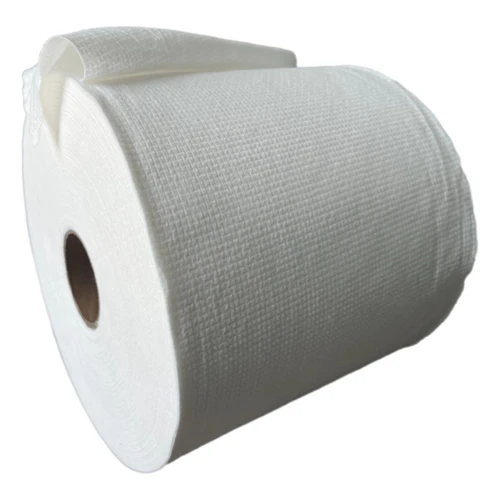
Bold absorbency for hands: Spunlace Nonwoven Paper Towel For Hand Drying engineered for fast wicking and one-sheet effectiveness.
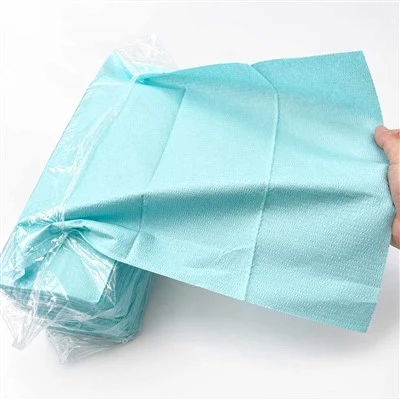
Targeted surface hygiene: Toilet Paper & Seat Wipes designed for gentle contact surfaces with low lint and clean finish.
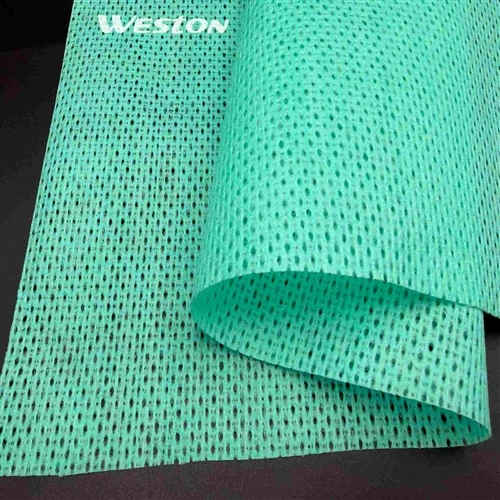
Compost-forward kitchen care: Biodegradable Kitchen Paper Towel aligning grease pickup with responsible disposal pathways.
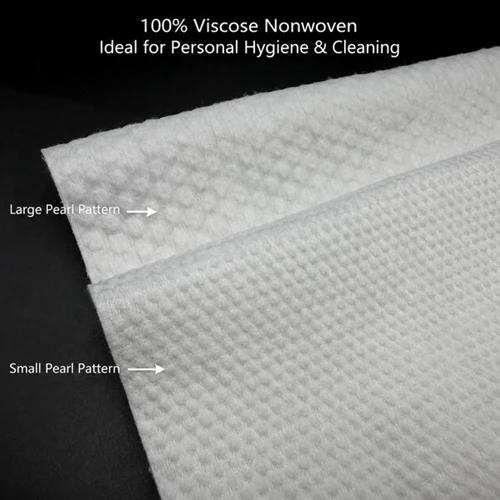
Responsible convenience: Paper Alternative Flushable Wipes with engineered dispersibility tailored for modern wastewater systems.
For material sampling and technical discussions, free sample requests can be directed to info@westonmanufacturing.com.
The Deeper Answer to the Question
So, what is the eco alternative to paper towels? It is not a single product; it is a class of thoughtfully engineered nonwoven solutions that:
Use renewable, efficiently processed fibers.
Maximize absorbency and hygiene per gram.
Reduce sheets-per-task through superior design.
Align end-of-life with compostability or safe dispersibility where appropriate.
Fit into facility and household systems that minimize waste.
When selected and used well, these alternatives reduce environmental burdens without conceding performance. In effect, the eco alternative is better engineering applied to everyday hygiene-quietly transforming a ubiquitous habit into a lighter footprint.
Quick Reference Checklist for Buyers and Facility Managers
Does the product achieve single-sheet hand drying in typical restroom conditions?
Are fiber sources renewable, and is bonding mechanical rather than chemical?
Is lint controlled under wet and dry abrasion?
Is there a clear, responsible end-of-life pathway (compostable or dispersible) for the intended use?
Are dispensing systems calibrated to prevent overuse?
Answering yes to these questions is a strong indicator that the towel or wipe in question is a true eco alternative-not just in name, but in measurable practice.
By focusing on these levers, organizations and households can implement alternatives that are not only eco by claim, but eco by outcome-measurably, reliably, and daily.
For inquiries or to request free samples for evaluation and pilot testing: info@westonmanufacturing.com.