In recent years, baby wipes have become an essential item for parents and caregivers, providing convenience and cleanliness in various situations. However, questions about their safety and suitability for delicate skin have arisen. This article aims to explore the implications of using baby wipes, particularly focusing on their composition, benefits, and potential drawbacks while seamlessly promoting the innovative products from Weston Nonwoven.
Understanding Baby Wipes

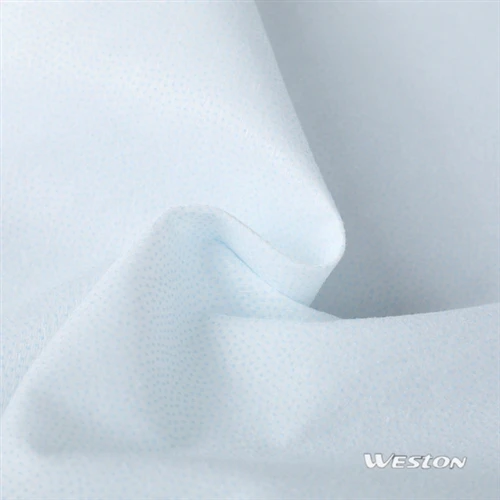
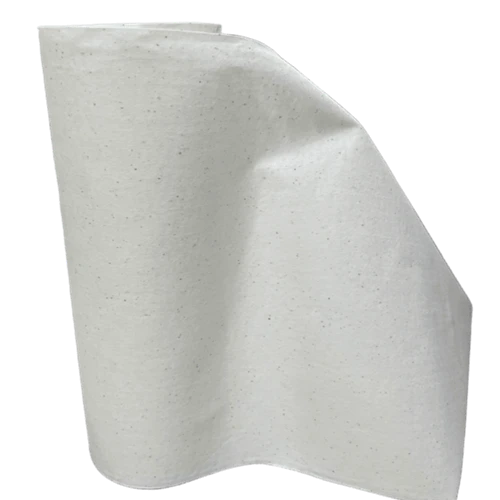
Baby wipes are pre-moistened towelettes designed for cleaning infants' skin. They are typically made from nonwoven materials, which provide a soft texture suitable for sensitive skin. The formulation of these wipes can vary significantly, with some containing fragrances, preservatives, and other additives that may not be ideal for every baby.
Key Ingredients
The ingredients in baby wipes are crucial to their safety. Many wipes include:
Water: The primary component, providing moisture.
Preservatives: To prevent microbial growth, but some may cause irritation.
Fragrances: Often added for scent, but can be allergenic.
Emollients: Such as aloe vera or vitamin E, intended to soothe the skin.
Understanding these components helps caregivers make informed choices.
Benefits of Baby Wipes
1. Convenience
One of the primary advantages of baby wipes is their convenience. They are portable, easy to use, and require no additional preparation, making them ideal for on-the-go cleaning.
2. Versatility
Baby Body Cleaning Wipes can be used for various purposes beyond diaper changes. They can clean hands, faces, and surfaces, making them an indispensable item in any household with infants.
3. Gentle Cleaning
Many baby wipes are designed specifically for sensitive skin, offering a gentle cleaning solution without the need for harsh soaps or rinsing.
4. Compostable Options
With an increasing focus on sustainability, Compostable Baby Wipes have emerged as an eco-friendly alternative. These wipes decompose naturally, reducing environmental impact and appealing to eco-conscious consumers.

Potential Drawbacks
While baby wipes offer numerous benefits, they are not without limitations and concerns.
1. Skin Irritation
Some wipes contain additives that can irritate the skin, particularly for babies with sensitive skin or existing conditions like eczema. It is essential for caregivers to choose wipes that are free from harmful chemicals and allergens.
2. Environmental Concerns
Traditional baby wipes are often made from synthetic materials that do not biodegrade, contributing to landfill waste. Caregivers should consider Compostable Baby Wipes that offer a more sustainable option.
3. Overuse
Relying solely on baby wipes for cleaning can lead to skin issues. It is advisable to use them as a complement to regular bathing, ensuring thorough cleaning without irritation.
Recommendations for Safe Use
To maximize the benefits of baby wipes while minimizing potential drawbacks, consider the following recommendations:
1. Choose Wisely
Select wipes that are specifically labeled as hypoallergenic and free from fragrances and harsh chemicals. Review the ingredient list carefully before purchase.
2. Monitor Skin Reactions
Be vigilant about any signs of irritation or allergic reactions. If a baby experiences redness or discomfort, discontinue use and consult a healthcare professional.
3. Use for Specific Situations
Utilize baby wipes for quick clean-ups or specific scenarios, such as changing diapers or cleaning hands, rather than as a replacement for regular bathing.
4. Explore Eco-Friendly Options
Consider incorporating Compostable Baby Wipes into your routine. These wipes provide the same convenience while being better for the environment.
The Role of Weston Nonwoven
At Weston Nonwoven, we understand the importance of safety and quality in baby care products. Our commitment to innovation drives us to produce high-quality Baby Wipes For Red Butt that cater to the sensitive needs of infants. Our wipes are made from soft, durable nonwoven materials, ensuring gentle yet effective cleaning.
Product Features
Hypoallergenic Formulation: Our wipes are free from harmful additives, making them safe for even the most delicate skin.
Compostable Options: We offer a range of eco-friendly wipes that decompose naturally, aligning with modern sustainability practices.
Multi-Purpose Use: Designed for versatility, our wipes can be used for various cleaning tasks, from diaper changes to face wipes.
|
Feature |
Traditional Baby Wipes |
Compostable Baby Wipes |
|
Environmental Impact |
Non-biodegradable |
Biodegradable |
|
Ingredients |
May contain additives |
Usually natural |
|
Skin Sensitivity |
Varies |
Generally hypoallergenic |
|
Versatility |
High |
High |
By choosing Weston Nonwoven, caregivers can trust that they are using products designed with the utmost care and consideration for both baby and environmental health.
Industry Trends
Growing Demand for Eco-Friendly Products

As consumers become more environmentally conscious, the demand for Compostable Baby Wipes continues to rise. This trend signifies a shift toward sustainability in baby care products.
2. Advances in Formulation
Innovation in the formulation of baby wipes is leading to gentler, more effective products. Manufacturers are increasingly focusing on hypoallergenic and natural ingredients to meet consumer expectations.
3. Increased Awareness of Skin Health
There is a growing awareness of the importance of skin health, particularly for infants. This awareness drives parents to seek out products specifically designed for sensitive skin.
For further inquiries regarding our products, please contact us at Weston Nonwoven. Your child's safety and comfort are our top priorities. Email us at info@westonmanufacturing.com.