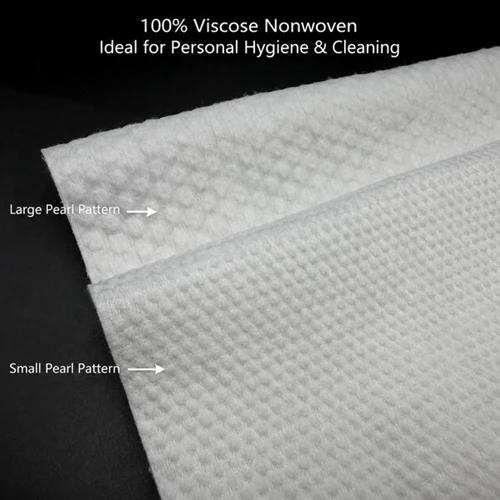
Viscose, a fiber derived from cellulose, primarily sourced from wood pulp, is known for its versatility and comfort. As environmental concerns heighten, understanding the biodegradability of viscose becomes crucial for consumers and industries aiming for sustainability.
The Biodegradation Timeline of Viscose
The biodegradation of viscose fibers typically spans from 6 months to 2 years, depending on various environmental conditions. In optimal settings-such as warm temperatures, adequate moisture, and the presence of microorganisms-viscose can decompose relatively quickly compared to synthetic fibers, which can persist in the environment for hundreds of years.
However, the specific time frame for biodegradation can be influenced by several factors:
Environmental Conditions: Warmth and moisture significantly accelerate microbial activity, facilitating faster breakdown. In contrast, cold or dry conditions can slow the process.
Microbial Presence: The activity of microbes plays a vital role in biodegradation. Areas rich in microbial diversity tend to have more efficient decomposition processes.
Processing and Additives: The treatment of viscose fibers can also impact biodegradability. For example, viscose that undergoes heavy chemical processing may take longer to decompose due to residual chemicals that inhibit microbial action.
The Role of Viscose in Sustainable Products
In the realm of sustainability, viscose offers several advantages:
Natural Origins: As a cellulose-based fiber, viscose originates from renewable resources, making it a more sustainable choice compared to petroleum-based synthetic fibers.
Biodegradability: The relatively short biodegradation period of viscose means that products made from this fiber can contribute less to landfill waste, aligning with eco-friendly initiatives.
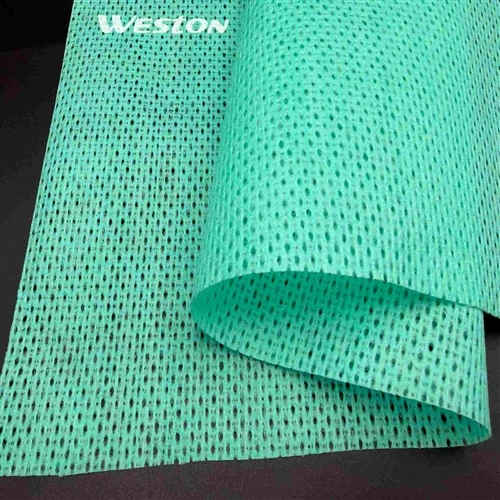
At Weston Nonwoven, the focus on developing innovative products further underscores the benefits of viscose. The integration of Abrasive Spunlace With Friction technology enhances the performance of viscose-based nonwoven fabrics, making them ideal for a variety of applications, including heavy-duty cleaning.
Applications of Viscose in Various Industries
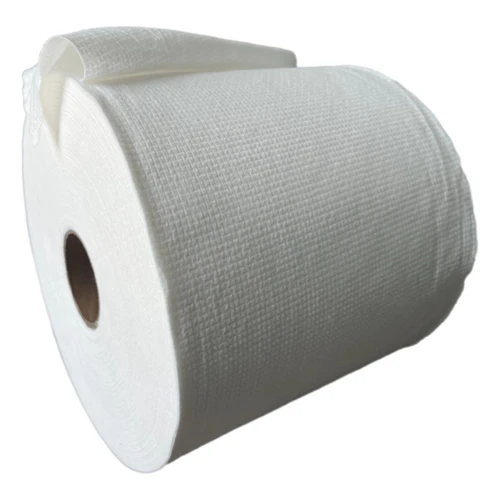
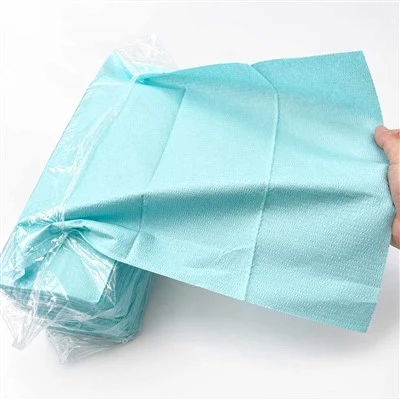
Viscose is increasingly utilized in disposable products, such as Disposable Food Service Wipes and Heavy Machinery Viscose Wipes. These applications highlight its effectiveness and eco-friendliness:

Disposable Food Service Wipes: In the food industry, maintaining hygiene is critical. Viscose wipes provide an efficient cleaning solution that decomposes faster than synthetic alternatives, supporting restaurants and food services in their sustainability efforts.
Heavy Machinery Viscose Wipes: In industrial settings, the need for effective cleaning solutions is paramount. Viscose wipes designed for heavy machinery can handle tough contaminants while being biodegradable, reducing the environmental footprint of industrial operations.
The Broader Implications of Viscose Biodegradability
Understanding the biodegradability of viscose is not merely an academic exercise; it has real-world implications for consumers, businesses, and the environment. By choosing viscose products, organizations can support a circular economy, where materials are reused and recycled rather than discarded.
Moreover, the shifting consumer preferences towards sustainable products mean that businesses prioritizing biodegradable options gain a competitive edge. As awareness of environmental issues grows, the demand for responsibly produced, biodegradable materials will likely increase.

Innovations in Viscose Processing
The future of viscose is marked by ongoing innovations aimed at enhancing its biodegradability and performance. Research into environmentally-friendly processing methods continues to evolve, potentially leading to even faster decomposition rates and reduced ecological impact.
Weston Nonwoven's commitment to innovation in viscose product development ensures that their offerings meet the highest standards of sustainability and performance. By focusing on the lifecycle of their products and the materials used, they contribute to a more sustainable future.
As the conversation around sustainability continues to expand, understanding the biodegradability of materials like viscose will be essential for informed decision-making in both consumer and industrial contexts.