The Most Expensive "Minor Detail" on the Shop Floor: Why Automotive Plants Need to Take Metal Shaving Cleanup Seriously
Cleaning never makes it onto the agenda at production meetings.Yet for many automotive parts plants, the money quietly draining out of the wiping-cloth budget every year can dwarf any single equipment maintenance line item. This article aims to lay out the logic clearly - no sales pitch, just mechanics.
1. Why Your "Cheap" Rag Is Actually Costing You More
The two most common choices on the shop floor are mixed cotton rags and industrial laundry rental towels.Mixed rags are bought by the pound and look like a bargain. The problem is near-zero consistency - one is thick, the next is thin, and buried inside might be a snap or a seam that scratches a freshly machined engine block. Workers spend time digging through the bin to find something usable. Across a full shift, that search habit can consume 15 minutes of productive time per worker.Rental towels carry a more hidden risk. Industrial laundering removes most oil and grease, but against microscopic metal shavings it has real limits. Residual slivers embed in the towel fibers and stay there. The next time a worker reaches for that towel, those fragments drag across a part surface at concentrated pressure, leaving micro-scratches that don't show up until quality inspection - at which point the rework cost is already locked in.Then there's the disposal math. Cotton rags absorb oil and grow heavy. Most facilities pay for hazardous waste disposal by weight. The more oil your rag holds, the bigger the disposal bill. It's a second invoice that almost nobody is tracking.

2. What Spunlace Actually Is - and Why It Handles Metal Shavings Differently
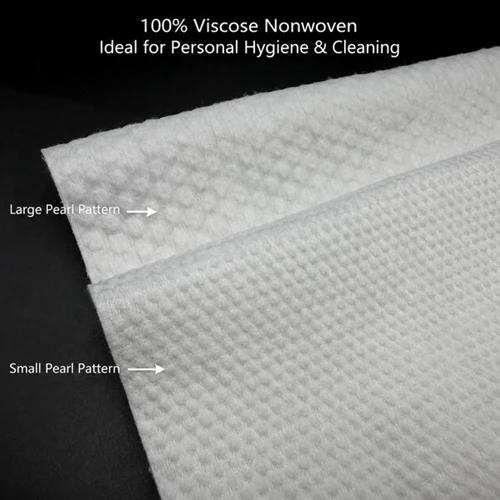
Spunlace nonwoven fabric is made through a process called hydroentanglement: high-pressure water jets drive wood pulp and polyester fibers into each other, creating a stable, interlocked structure without any adhesive or chemical binder.
That last part matters more than it sounds.Conventional paper towels and many standard nonwoven wipes use chemical glues to hold their fibers together. Expose them to common automotive solvents - isopropyl alcohol, MEK, acetone - and the glue partially dissolves, leaving a hazy residue streak on smooth metal surfaces. Spunlace has no glue to dissolve. Its structural integrity is purely mechanical, so solvents leave it unchanged.
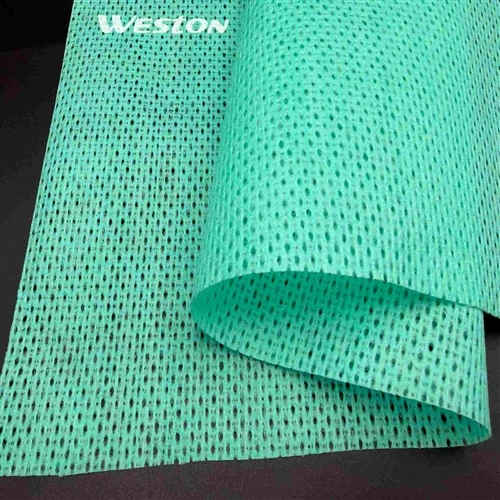
Metal Shaving Cleaning Spunlace Wipes designed for machining environments go one step further: the cloth surface features an open aperture pattern - a textured grid of small voids. When the wipe passes over a metal shaving, the spiral or chip gets captured in these voids and stays trapped, rather than riding the surface and scoring whatever part is underneath. The geometry of the cloth does work that friction alone cannot.
This is material engineering matched to a specific problem, not a marketing claim.
3. The Cost Comparison: What the Numbers Actually Show
The relevant comparison is not unit price. It's cost-in-use - how much it takes to complete the task, including consumption rate, disposal weight, and contract overhead.
| Metric | Mixed Rags / Rental Towels | Spunlace Nonwoven Wipes | Impact |
| Wipes per task | 3–4 (saturate fast, tear easily) | 1 (high absorbency, strong when wet) | ~60% drop in daily wipe volume |
| Contract & hidden fees | High (laundering, replacement, delivery) | None (single-use, on-demand ordering) | Predictable monthly spend |
| Disposal weight | Heavy (cotton retains oil, adds mass) | Light (~70% lighter than equivalent cotton) | 30–40% reduction in hazardous waste bills |
| Part rework risk | High (residual shavings, lint transfer) | Low (no lint, shavings captured in apertures) | Indirect savings on labor and materials |
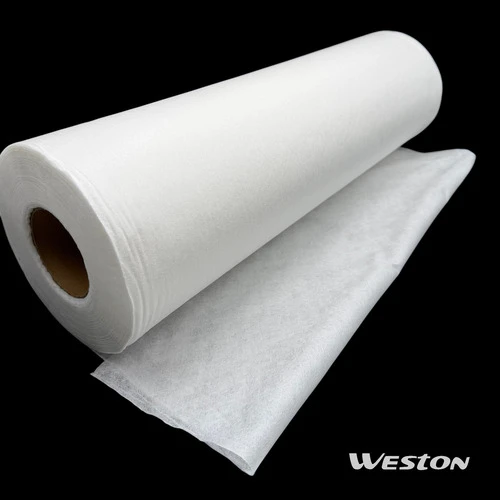
A Tier-1 automotive stamping and powertrain plant that switched from mixed rags to 90–110 GSM perforated Industrial Cleaning Cloth Rolls - mounted directly at work centers - recorded an audited 42% reduction in total cleaning budget over 12 months. No single factor drove that number. It was the combination: lower consumption volume, lighter disposal weight, and the elimination of the laundry contract.

4. The Same Logic Applies Beyond Automotive
The need to remove oil contamination cleanly, without lint and without surface damage, isn't unique to car factories. CNC machining shops, precision electronics assembly, and even the pet care industry share the same core requirement - just at different scales and with different regulatory profiles.
A Oil Removal Wipes supplier serving grooming salons, for instance, needs a cloth that lifts mineral oil or conditioning product from fur without leaving fibers behind on skin. The underlying fabric logic is identical: mechanical fiber bonding, no chemical residue, controlled absorbency.
On the heavier end of the spectrum, Heavy Duty Stitch Bonded Nonwoven Fabric handles large-volume mechanical oil spills where tensile strength and abrasion resistance are the priority - stamping presses, hydraulic leak cleanup, conveyor maintenance. The base science stays the same; the GSM and construction are tuned to load.
The wiping material is not a commodity. It is a variable you can actually engineer.
5. How to Run Your Own Two-Week Trial
No plant manager should have to make a facility-wide decision without their own data. One production line and two weeks is enough to get a real number.Before the switch, record: wipes consumed per shift, disposal weight per week, how often work centers run out mid-shift, and the current monthly laundry invoice.Run the same measurements for two weeks after introducing spunlace rolls at the same stations.The savings - or lack of them - will be visible in your own records, not in a supplier's case study.Weston Nonwoven manufactures spunlace nonwoven fabric and can customize GSM, roll width, and aperture pattern for specific plant requirements. Samples are available for trial runs. But the underlying case for engineered wiping materials doesn't depend on any one manufacturer - the physics works regardless of who made the cloth.
Technical reference: INDA Association of the Nonwoven Fabrics Industry process documentation; cost-in-use data drawn from Tier-1 automotive sector field audits.