How to Make Your Own Hand Sanitizer Wipes?
Hand sanitizer wipes look simple. A wet cloth. A quick wipe. Clean hands.
But behind that convenience is a mix of chemistry, material science, and some real limitations-especially if you try to make them yourself.
This article explains how DIY hand sanitizer wipes work, how to make them properly, and where homemade solutions fall short.
What Hand Sanitizer Wipes Actually Do
Hand sanitizer wipes clean in two ways.
First, the alcohol kills or inactivates many bacteria and viruses.
Second, the physical wiping action lifts dirt, oils, and microbes off the skin.
This mechanical effect is important. Rubbing with a wipe often removes more contamination than sanitizer liquid alone, especially when hands are visibly dirty.
That said, sanitizer wipes are not a replacement for soap and water. They work best when handwashing is not available and are meant for short-term hygiene, not medical-level disinfection.

Understanding the Core Ingredients
Alcohol: the active component
Effective sanitizer wipes rely on alcohol concentration, not brand or scent.
The effective range is 60–75% alcohol
Ethanol and isopropyl alcohol both work
Lower concentrations reduce germ-killing ability
Higher concentrations evaporate too fast and are less effective
Using low-proof alcohol or diluting incorrectly is the most common DIY mistake.
Water: more important than it looks
Water slows evaporation and allows alcohol to penetrate microbial cells.
Without enough water, alcohol flashes off before it can work.
Humectants: optional but helpful
Ingredients like glycerin reduce skin dryness.
Too much, however, leaves residue and weakens cleaning.
What to avoid
Essential oils, homemade herbal extracts, or unclear additives often cause irritation and add no real disinfecting value.
Choosing the Right Wipe Material
The wipe itself matters as much as the liquid.
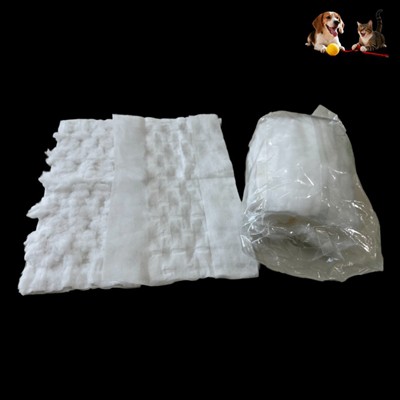
Paper towels are often used in DIY guides, but they perform poorly. They tear easily, release lint, and do not hold liquid evenly.
A good sanitizer wipe needs:
High absorbency
Wet strength (doesn't fall apart when soaked)
Low lint
Compatibility with alcohol
Common options compared
Tissue paper: cheap, weak, uneven saturation
Airlaid nonwoven: better absorption, moderate strength
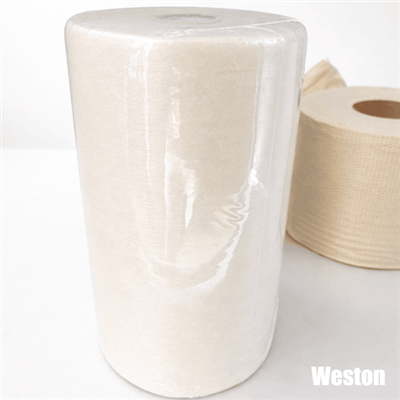
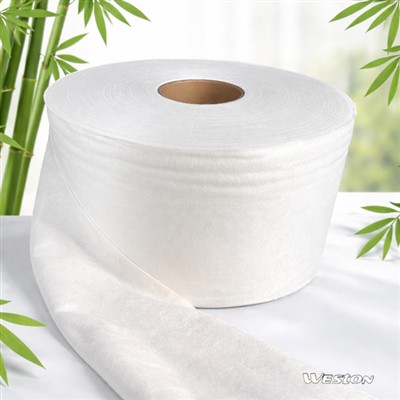
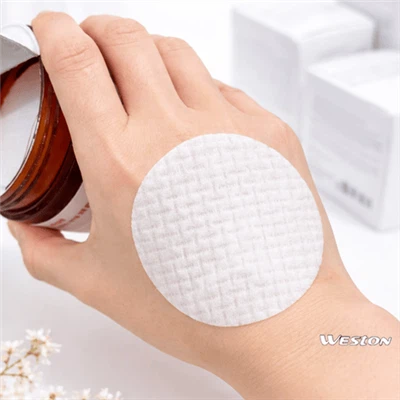
Spunlace nonwoven: strong, soft, evenly saturated
Spunlace nonwoven is made by entangling fibers with high-pressure water. This creates a fabric-like structure that holds liquid well and releases it evenly during wiping.
This is why most commercial hand sanitizer wipes use spunlace, not paper.
How to Make Hand Sanitizer Wipes at Home
DIY wipes are best made in small batches.
Basic method
Prepare a clean workspace away from heat or flames
Mix alcohol and water to reach 60–75% concentration
Add a small amount of glycerin if desired
Cut wipe material to size
Place wipes in a sealable container
Slowly pour solution until wipes are fully saturated but not dripping
Seal immediately
The liquid-to-wipe ratio matters. Too much liquid causes pooling. Too little leads to dry spots and uneven effectiveness.
Safety and Stability Issues
Homemade sanitizer wipes have real limits.
Alcohol evaporates quickly, even in sealed containers.
Over time, concentration drops below effective levels.
There is also fire risk during preparation and storage.
Alcohol vapors accumulate easily in enclosed spaces.
Skin irritation is another concern. DIY formulas lack testing, and repeated use can damage the skin barrier.
Because of these risks, homemade wipes are not suitable for hospitals, food processing, or regulated environments.
Advantages and Limitations of DIY Wipes
Making your own wipes can be useful, but only in specific situations.
Advantages
Low cost for small quantities
Control over ingredients
Useful during shortages or emergencies
Limitations
No guarantee of alcohol concentration
Short shelf life
Inconsistent performance
No microbial validation
Hard to scale safely
DIY wipes are a temporary solution, not a long-term hygiene system.

Storage and Usage Tips
Use airtight containers
Avoid heat and direct sunlight
Do not store for extended periods
Discard wipes that feel dry or smell weak
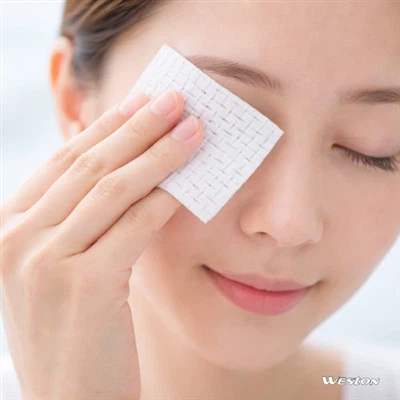
When using, wipe all hand surfaces and allow them to air dry. Do not rinse.
DIY vs. Industrial-Grade Sanitizer Wipes
Commercial sanitizer wipes are designed differently.
They use controlled dosing systems to ensure every wipe contains the same amount of liquid.
The nonwoven substrate is engineered to hold alcohol without breaking down.
Production environments are monitored for consistency and safety.
This level of control is difficult to achieve at home.
When Bulk Solutions Make More Sense
For offices, public facilities, transport, or retail environments, consistency matters.
Bulk hand sanitizer wipes made with spunlace nonwoven offer:
Even saturation
Strong wet tensile strength
Low lint
Skin-friendly surface
Manufacturers such as Weston Nonwoven supply spunlace materials specifically designed for bulk hand sanitizer wipes, where liquid retention and release behavior must remain stable over time.
This approach reduces risk and improves reliability compared to improvised solutions.
A Practical Perspective
Making hand sanitizer wipes yourself is possible.
Doing it safely and consistently is much harder.
For personal, short-term use, DIY wipes can help in a pinch.
For regular use or public settings, professionally produced wipes using purpose-built nonwoven materials remain the more dependable option.
Understanding the materials and chemistry behind sanitizer wipes makes it easier to choose the right solution-and avoid the wrong ones.