Are 100% Polyester Curtains Fire Retardant?
A Simple Question with a Risky Assumption
Many people assume that polyester curtains are "safe" simply because they are synthetic. The logic sounds reasonable: polyester is not cotton, it does not ignite instantly, and it often shrinks or melts when exposed to heat. This assumption, however, blurs a critical line between materials that behave differently in fire and materials that are actually designed to reduce fire risk.
The confusion usually comes from mixing up terms such as fire resistant, flame retardant, and non-flammable. This article clarifies those differences and explains what 100% polyester curtains really do in a fire scenario-at home, in rentals, offices, or public spaces.

Polyester 101: What This Fabric Really Is
Polyester is a petroleum-based synthetic fiber. From a chemical standpoint, it is plastic spun into filaments and woven or knitted into fabric. This composition defines how it reacts to heat and flame.
When exposed to high heat, 100% polyester typically softens and melts before it ignites. Under sustained flame, it can burn, drip, and produce dense smoke. The melting point is usually around 250–260°C, lower than many people expect.
The popular claim that "polyester melts, not burns" is only half true. Melting does occur, but molten polyester can drip, adhere to skin, and continue burning, which introduces a different type of injury and fire spread risk rather than eliminating it.
Fire Terms People Mix Up All the Time
Flammable materials ignite easily and burn rapidly once exposed to flame.
Fire resistant materials resist ignition longer due to their fiber structure, but they can still burn.
Fire retardant materials are engineered or treated to slow flame spread, reduce ignition speed, or self-extinguish under certain conditions.
A fabric label that says "100% polyester" only tells you the fiber content. It does not indicate flammability performance, fire testing, or compliance with any safety standard.
Are 100% Polyester Curtains Naturally Fire Retardant?
The short answer is no. Untreated polyester curtains are not inherently flame retardant.
In a real flame scenario, an untreated polyester curtain will typically shrink away from the heat source, melt, and drip. Those droplets can ignite other materials below, such as carpets, furniture, or paper, creating secondary fire points. Contact with molten polymer can also cause severe burns.
Placed near gas stoves, candles, portable heaters, or even high-wattage lamps, standard polyester curtains remain a genuine fire hazard despite their synthetic origin.
When Polyester Curtains Can Be Fire Retardant
Polyester curtains can meet fire safety requirements when they are specifically designed for it.
FR (Flame Retardant) polyester usually refers to fabrics treated with chemical flame retardants after production.
IFR (Inherently Flame Retardant) polyester contains flame-retardant properties built into the fiber itself during extrusion.
These fabrics are typically tested against recognized standards. Common markings include "FR," "IFR," or compliance statements such as "meets NFPA 701." Verified test standards matter far more than vague marketing phrases like "fire safe" or "low flammability."
Durability also varies. Post-treated FR fabrics may lose effectiveness after repeated washing or long-term use. IFR polyester generally retains performance longer, though it is not indestructible.
The Hidden Catch: Fire Retardant ≠ Fire Proof
Flame-retardant curtains are designed to delay ignition and slow flame spread, not to survive a fire untouched. Under sufficient heat, even certified FR fabrics can burn.
Fire behavior also depends on factors beyond the textile itself, including fabric weight, curtain fullness, airflow, room size, and proximity to ignition sources. A heavy, pleated curtain near an open window behaves very differently from a lightweight panel in a confined space.
Reading Labels Like a Pro (Without Being an Expert)
"100% polyester" only confirms fiber composition. It says nothing about fire performance.
What actually matters are explicit test standards (such as NFPA, BS, EN, or JIS), clear FR or IFR claims, and access to manufacturer documentation or certification sheets. Reputable suppliers can provide test reports on request.
Red flags include ambiguous language, missing standards, or claims that rely on assumptions rather than test data.
Practical Safety: How to Use Polyester Curtains Without Panic
Placement often matters more than fabric type. Curtains should be kept well clear of gas stoves, ovens, candles, heaters, and overloaded power strips. Long drapes in children's rooms or narrow hallways should be secured to prevent contact with heat sources.
Basic habits reinforce fabric choices: working smoke alarms, clear escape routes, turning off open flames when leaving a room, and avoiding electrical overload near windows and drapes.
For Different Spaces: Home, Rental, Office, Public Areas
In homes and rental apartments, standard polyester curtains can be acceptable when properly placed and monitored. In small kitchens or studio layouts with limited separation from heat sources, FR curtains are a more prudent option.
Offices and schools are often subject to building codes that require FR or IFR textiles. Verifying requirements with building management is safer than relying on assumptions.
Hotels, clinics, and public buildings operate under stricter regulations, frequent inspections, and liability exposure. In these environments, visual appearance alone is irrelevant without documented compliance.
Health and Environmental Angle: The Part People Rarely Talk About
When polyester burns or melts, it produces dense smoke and potentially toxic fumes. This smoke inhalation risk is often more dangerous than direct flame contact.
Chemical flame retardants introduce trade-offs. Some treatments can off-gas or contribute to indoor dust exposure over time. More chemicals do not automatically mean more safety; they simply shift the risk profile.
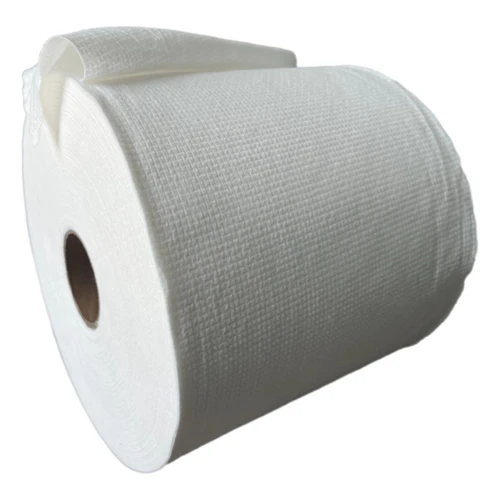
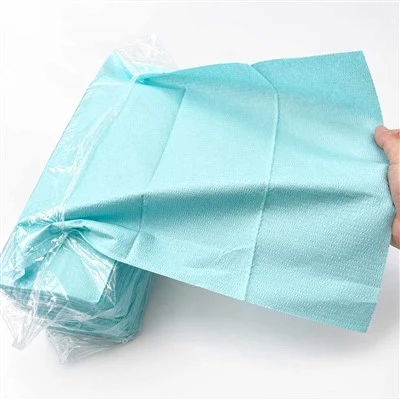
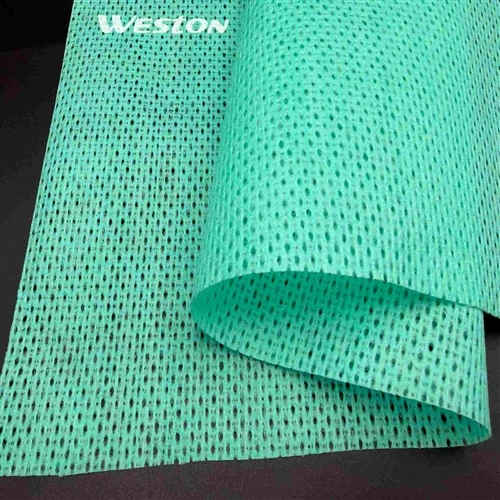
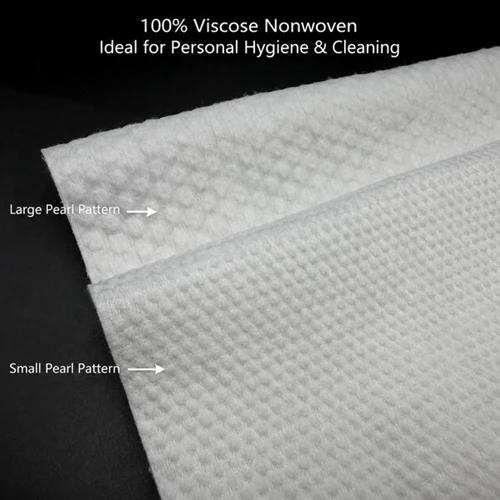
This is why some manufacturers explore alternative engineered structures, including nonwoven solutions such as Flame Retardant Pulp Polyester Spunlace, which combine absorbent cellulose content with synthetic strength to achieve controlled fire behavior in specific applications. These materials are typically selected for technical or regulated environments rather than decorative consumer use.
How to Choose Curtains Wisely: A Simple Decision Guide
Start with the room's risk profile and proximity to heat or open flame. Assess whether certified fire performance is required by code or function. Confirm claims through standards and documentation, not labels alone. Finally, commit to safe placement, routine checks, and realistic expectations of what any fabric can and cannot do.
Myth-Busting: Quick Reality Checks
"100% polyester curtains are fire retardant." No.
"If they melt, they are safe." No.
"FR curtains won't burn at all." No.
"Good placement can beat expensive fabric." Often, yes.
Strong Fabric, Stronger Common Sense
Fiber content alone is never a fire safety guarantee. Polyester can play a role in safe interiors, but only when its limitations are understood and managed. Real fire safety comes from verified standards, honest labeling, thoughtful placement, and everyday habits-not from assumptions or marketing language.