What's the Best Waterproof Mattress Pad?
And Why Hydrophilic & Waterproof Nonwoven Fabric Technology Matters
Most people only start looking for a waterproof mattress pad after a spill, an accident, or a lingering odor they can't quite get rid of. By then, the mattress is already suffering quietly.
A good waterproof mattress pad is not just a cover - it is a basic piece of hygiene equipment that protects both your bed and your health.

What a Waterproof Mattress Pad Really Does
A waterproof mattress pad is a thin, often quilted layer that sits between your sheet and the mattress. Its role is simple, but essential:
Blocks liquids from entering the mattress
(sweat, spills, incontinence, pet accidents)
Reduces stains and odors
by stopping fluids from soaking into foam or padding
Creates a cleaner, drier sleep environment
making it harder for dust mites and mold to thrive
Modern designs rely on multi-layer nonwoven structures:
Soft comfort layer + hydrophilic absorption + waterproof barrier
This is where a Hydrophilic & Waterproof Nonwoven Fabric manufacturer truly defines product quality. The engineering behind each layer determines whether the pad is quiet, breathable, and reliably leakproof.
Materials and Structure: Science Under the Sheets
Most people stop reading after seeing the word "waterproof" on the label.
In reality, what's inside matters far more than the marketing.
Typical Layer Composition
Top layer
Soft, skin-friendly nonwoven fabric with a cotton-like feel
Middle zone
Hydrophilic fibers that wick and distribute liquid quickly
Bottom layer
Waterproof membrane or laminated nonwoven barrier
Hydrophilic zones pull moisture away from the body, while the waterproof layer locks it out of the mattress completely.
This same structure is essential in medical products such as
Disposable Medical Mattress For Patient Transfer & Incontinence, where rapid absorption and zero leakage are non-negotiable.
How the Layers Work Together
|
Layer Position |
Main Function |
Key Performance Point |
|
Top surface |
Comfort & skin contact |
Soft hand-feel, low noise |
|
Middle zone |
Fluid absorption & distribution |
Fast wicking, high capacity |
|
Bottom layer |
Waterproof protection |
No leakage under pressure |
A well-designed pad is not "plastic plus fabric" - it is a compact fluid-management system built into a thin sheet.

Pros and Cons of Waterproof Mattress Pads
No product is perfect. Choosing well starts with seeing the full picture.
Key Advantages
Protects your mattress investment
One accident can permanently damage a mattress - a pad absorbs the risk instead.
Improves hygiene
Less trapped moisture means lower risk of mold, mildew, and allergens.
Easy maintenance
Washing or replacing a pad is far easier than cleaning a mattress.
Essential for special needs
Children, elderly users, and patients with incontinence depend on waterproof protection daily.
Potential Downsides
Heat buildup
Low-quality plastic films can trap warmth.
Noise
Cheap barriers may crinkle with movement.
Comfort expectations
Pads protect - they are not mattress toppers.
Durability issues
Poor laminates can crack or fail after repeated washing.
�� This is where material engineering matters.
High-grade hydrophilic and laminated nonwovens can remain quiet, breathable, and durable while staying fully waterproof.
Where Medical and Home Use Overlap
Medical environments set a clear benchmark for what "good" really means.
In hospitals and care facilities, Disposable Medical Mattress For Patient Transfer & Incontinence must:
Absorb large fluid volumes quickly
Prevent leakage even under body weight
Remain comfortable for long periods
Support easy replacement and hygiene control
These products rely heavily on advanced spunlaced nonwoven technology.
A capable Hydrophilic & Waterproof Nonwoven Fabric manufacturer controls:
Fiber selection
Web formation
Water-jet entanglement
Lamination stability
This expertise directly translates into better-performing home-use waterproof mattress pads.
How to Choose the Right Waterproof Mattress Pad
Instead of chasing the "best brand," focus on real-life use conditions.
Quick Selection Checklist
Who is using the bed?
Children, elderly users, or incontinence → higher absorbency & stronger barriers
How frequent are accidents?
Occasional spills → lightweight pad
Frequent use → medical-grade or healthcare-inspired design
Do you sleep hot?
Choose breathable nonwoven tops and microporous barriers - avoid thick vinyl
How often will it be washed?
Frequent washing requires stable laminates and durable seams
Reusable or disposable?
Reusable: daily home use
Disposable (medical-style): hospital stays, travel, emergencies
Simple Care Rules (That Extend Product Life)
Wash on gentle cycle with cool or lukewarm water
Use mild detergent
Avoid bleach and fabric softener
Tumble dry low heat or line-dry
Never iron - high heat damages waterproof layers
The Role of Weston Nonwoven's Spunlaced Technology
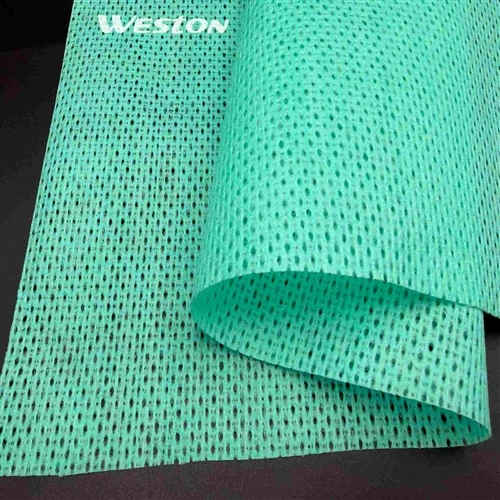
Behind many high-performance mattress pads is the nonwoven fabric itself.
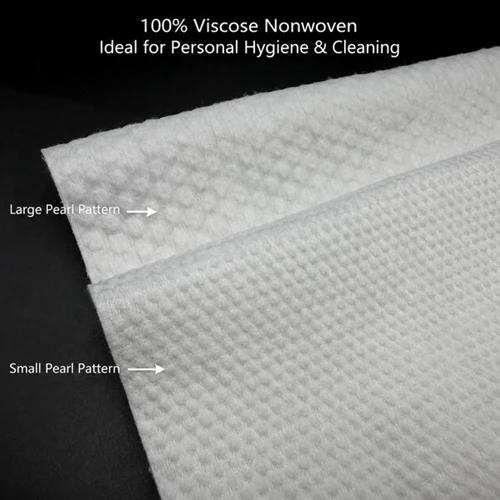
Spunlaced (water-jet entangled) nonwovens combine:
Softness
Strength
Absorbency
Low noise
- without heavy chemical binders.
Applications Include
Everyday waterproof mattress pads
Medical-grade pads
Disposable Medical Mattress For Patient Transfer & Incontinence
At Weston Nonwoven, fiber blends and process parameters are engineered so fabrics are:
Hydrophilic where fast absorption is required
Fully waterproof where protection matters
Quiet and flexible for real sleep comfort
For buyers seeking custom weights, structures, or performance testing, Weston Nonwoven supports material development and provides free sample swatches.
Technical inquiries & samples:info@westonmanufacturing.com
Final Thought
A well-chosen waterproof mattress pad is quiet materials science at work.
When hydrophilic and waterproof nonwoven layers are engineered correctly, protection becomes effortless - no noise, no discomfort, no drama.
And your mattress stays clean, dry, and ready for many more years of use.