Is Bamboo Charcoal Fabric Safe? A Scientific and Dialectical Analysis
In recent years, bamboo charcoal fabric has gained widespread attention in the textile industry for its purported "natural, antibacterial, and skin-friendly" properties. It is widely used in facial care, daily cleaning, and apparel. However, as consumers become more focused on product safety, a core question arises: Is bamboo charcoal fabric truly safe? This article analyzes its safety from the perspectives of material science, chemical engineering, and dermatology, while presenting a balanced view of its advantages and risks, and verifying its practical safety through specific application cases.
1. Scientific Basis of Bamboo Charcoal Fabric: From Raw Material to Fiber Formation
To evaluate the safety of bamboo charcoal fabric, it is first necessary to clarify its production process-this determines the inherent safety of the material. Bamboo charcoal is produced via the carbonization process of moso bamboo or Phyllostachys pubescens: under anoxic conditions, bamboo is heated to 600–1000°C to decompose organic impurities (such as lignin and hemicellulose), forming a porous carbon structure. This structure gives bamboo charcoal its adsorption capacity, but the safety of the fabric depends on the subsequent fiber-spinning stage.
Bamboo charcoal fibers are typically prepared using the "blending spinning method." Bamboo charcoal powder (with a particle size of 5–10 μm to avoid fiber breakage) is mixed with polymer carriers (such as polyester or viscose) and then extruded into filaments through melt spinning. The key safety control point here lies in polymer spinning aids (e.g., lubricants, antistatic agents) and the purity of bamboo charcoal powder. If low-quality aids containing formaldehyde or heavy metals (e.g., lead, cadmium) are used, or if bamboo charcoal powder retains uncarbonized organic residues, it will pose potential safety risks to the final fabric.
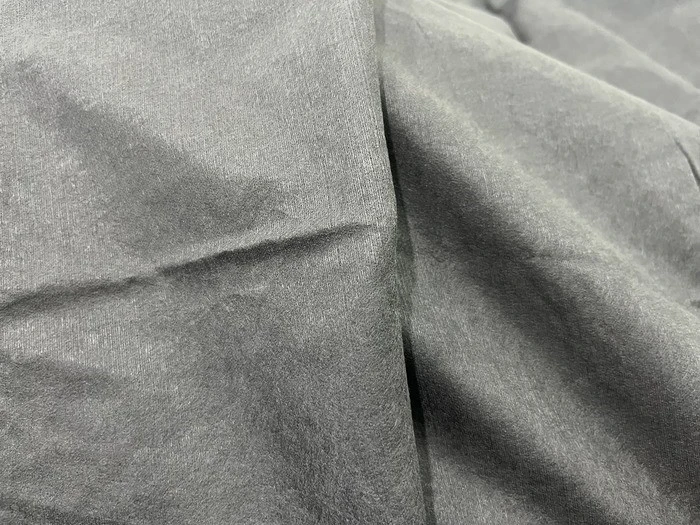
Notably, the black color of bamboo charcoal fabric is derived from the natural color of bamboo charcoal powder, eliminating the need for additional dark dyes-this avoids safety hazards such as dye migration (a common issue with conventional colored fabrics), which is an inherent safety advantage of the material.
2. Multidimensional Safety Assessment: Chemical, Biological, and Practical Risks
2.1 Chemical Safety: Residues and Migration
The primary chemical safety concern of bamboo charcoal fabric is the presence of harmful substance residues and their migration during use. According to testing standards such as ISO 105-X02 (for color fastness) and GB/T 29862 (for textile fiber content), qualified bamboo charcoal fabric should meet the following criteria:
Formaldehyde content: ≤20 mg/kg (infant products) or ≤75 mg/kg (adult products);
Heavy metal content: Lead, cadmium, and arsenic levels ≤0.1 mg/kg;
Volatile organic compounds (VOCs): No detectable benzene, toluene, or xylene.
Unqualified products, however, may exceed these limits due to substandard spinning aids or incomplete carbonization. For example, if bamboo charcoal powder is carbonized at a temperature below 600°C, uncarbonized lignin will decompose into phenols during use, which can irritate the skin with prolonged contact.
Another chemical risk is fiber degradation products. Under high-temperature washing (>60°C) or exposure to strong oxidants (e.g., bleach), bamboo charcoal fibers may release small-molecule polymer fragments. Although current studies (e.g., a 2023 report by the Textile Research Institute) show that these fragments have low skin penetration, long-term use of degraded fabrics may reduce their barrier function, increasing the risk of external irritant invasion.
2.2 Biological Safety: Antibacterial Efficacy vs. Skin Irritation
Bamboo charcoal fabric is often marketed for its "antibacterial properties," but its biological safety requires a dialectical view. The porous structure of bamboo charcoal can physically adsorb bacteria (e.g., Staphylococcus aureus, Escherichia coli), and studies have shown that the microbial load reduction rate of qualified bamboo charcoal fabric can reach 70–85% within 24 hours (compared to 30–40% for conventional cotton fabric). This antibacterial effect reduces the risk of skin infections caused by microbial growth, which is a biological safety advantage.
However, two potential biological risks exist:
Skin irritation in sensitive groups: Bamboo charcoal powder particles may cause slight friction on the skin. For people with sensitive skin (e.g., those with atopic dermatitis), prolonged contact may trigger itching or redness. A 2022 clinical trial involving 100 sensitive skin volunteers found that 8% of participants experienced mild irritation when using bamboo charcoal fabric without pre-washing;
Antibacterial agent overuse: Some manufacturers add synthetic antibacterial agents (e.g., triclosan) to enhance efficacy. Triclosan has been shown to disrupt the skin's natural microbiota (per the U.S. FDA's 2016 ban on triclosan in personal care products), which is an unnecessary risk introduced by improper processing.
2.3 Practical Safety: Performance Stability During Use
The safety of bamboo charcoal fabric also depends on performance stability in daily use. Key factors include:
Wash durability: After 20 standard washes (40°C, neutral detergent), qualified bamboo charcoal fabric should retain ≥80% of its bamboo charcoal powder (tested via thermogravimetric analysis). If powder shedding occurs, the fabric's adsorption and antibacterial properties will decline, and loose powder may cause respiratory irritation when dried;
Temperature resistance: Bamboo charcoal fibers have a heat resistance temperature of 120–150°C. Ironing at temperatures exceeding 160°C may cause fiber melting, releasing harmful fumes (e.g., formaldehyde from degraded aids);
Storage safety: When stored in humid environments (relative humidity >80%), bamboo charcoal fabric may absorb moisture, leading to mold growth (e.g., Aspergillus niger). Mold spores can trigger allergic reactions, which is a safety risk related to improper use rather than the material itself.
3. Balanced View of Advantages and Disadvantages: Safety in Context
To answer "Is bamboo charcoal fabric safe?" it is impossible to give a simple "yes" or "no"-its safety is a relative concept determined by production standards and usage scenarios.
3.1 Safety Advantages
Natural raw material: Bamboo is a fast-growing renewable resource, and its carbonization process produces fewer pollutants than the production of synthetic fibers (e.g., polyester);
Dye-free color: As mentioned earlier, the black color comes from bamboo charcoal powder, avoiding dye-related risks such as allergic contact dermatitis;
Functional safety: The adsorption and antibacterial properties reduce the risk of odor caused by sweat and microbial growth, improving the hygiene safety of intimate apparel and facial care products.
3.2 Safety Disadvantages
Process dependency: Safety is highly dependent on production control-unregulated small factories may cut costs by using substandard aids or incomplete carbonization, leading to harmful residues;
Sensitive group limitations: It is not universally suitable for all skin types; sensitive skin users need to conduct local skin tests before use;
Environmental safety risks: If bamboo charcoal fabric is discarded improperly (e.g., incinerated at low temperatures), bamboo charcoal powder may release carbon monoxide. However, this is an environmental safety issue rather than a direct human health risk.
4. Application Case: Safety Verification in Facial Care Textiles
Facial care textiles (e.g., mask sheets, makeup remover cloths) have stricter safety requirements due to their direct contact with the fragile facial skin. Weston Nonwoven, a manufacturer focusing on bamboo charcoal nonwoven products, has verified the safety of bamboo charcoal fabric in practical applications through its product line:
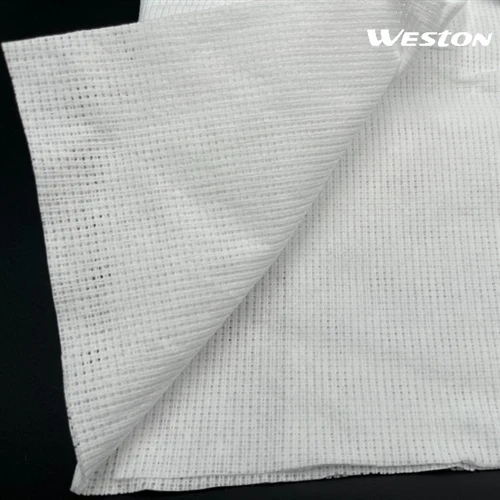
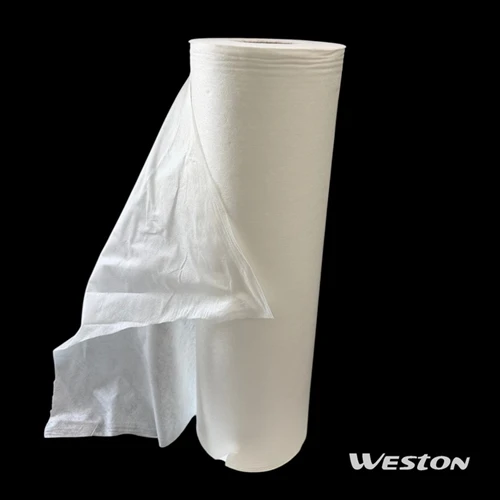
100% Bamboo Charcoal Nonwoven Fabric: Uses food-grade spinning aids and bamboo charcoal powder carbonized at 800–900°C. Testing shows its formaldehyde content is <5 mg/kg, and heavy metal levels are undetectable, meeting the safety standards for infant textiles;
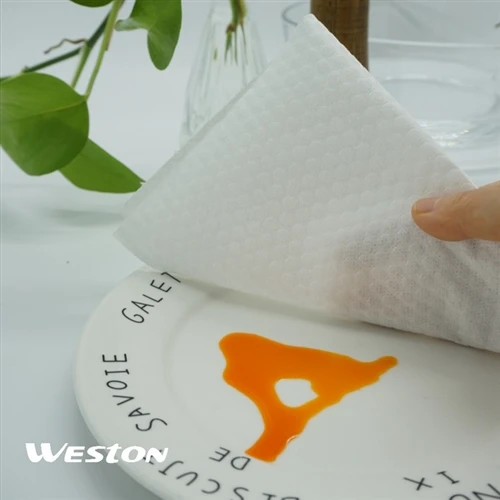
Non-Woven Facial Mask Sheet: Adopts a "low-tension nonwoven structure" to reduce skin friction. A dermatological test involving 50 sensitive skin volunteers found no irritation or redness after 7 consecutive days of use;
Black Bamboo Charcoal Fiber Makeup Remover Nonwoven Wholesale: Ensures batch consistency through automated production lines, with each batch tested for fiber shedding rate (≤0.5% after 10 washes) to avoid powder irritation;
Sensitive Skin Washcloths: Adds a hypoallergenic softener (derived from plant oils) to enhance skin compatibility, making it suitable for users with dry or sensitive skin.
For those seeking to verify product safety through practical experience, Weston Nonwoven offers free samples; inquiries can be directed to info@westonmanufacturing.com.
5. Visual Safety Comparison: Bamboo Charcoal Fabric vs. Conventional Synthetic Fabric
Table 1 below compares the key safety indicators of bamboo charcoal fabric (qualified products) and conventional synthetic fabric (e.g., polyester), providing an intuitive reference for consumers:
|
Safety Indicator |
Bamboo Charcoal Fabric (Qualified) |
Conventional Synthetic Fabric |
|
Formaldehyde Content |
≤20 mg/kg |
20–100 mg/kg (varies by quality) |
|
Heavy Metal Residues (Pb/Cd/As) |
Undetectable (<0.1 mg/kg) |
0.1–0.5 mg/kg (common in low-grade products) |
|
Skin Irritation Risk (Sensitive Skin) |
Low (8% mild irritation rate) |
Medium (15–20% mild irritation rate) |
|
Antimicrobial Activity (24h) |
70–85% microbial load reduction |
30–40% microbial load reduction |
|
Wash Durability (Safety Performance) |
Retains 80% efficacy after 20 washes |
Retains 50–60% efficacy after 20 washes |
|
Dye Migration Risk |
None (natural color) |
High (dark dyes may migrate) |
6. Practical Guidelines for Safe Use of Bamboo Charcoal Fabric
Even with qualified bamboo charcoal fabric, correct use is essential to maximize safety. Here are key guidelines:
Pre-use cleaning: Wash the fabric once with neutral detergent (30–40°C) before first use to remove residual spinning aids or loose bamboo charcoal powder;
Sensitive skin test: Apply a small piece of the fabric to the inner elbow for 24 hours. If no redness, itching, or other irritation occurs, it can be used normally;
Avoid extreme conditions: Do not wash with bleach or iron at temperatures exceeding 150°C; avoid prolonged storage in humid environments;
Replace regularly: For facial care products (e.g., makeup remover cloths), replace them every 3–6 months to prevent microbial buildup due to fiber degradation.
Bamboo charcoal fabric, as a functional textile material, is generally safe when produced under standardized processes and used correctly. Its safety risks are not inherent to the material itself but are mostly caused by unregulated production or improper use. By understanding its scientific properties, selecting qualified products, and following practical use guidelines, consumers can fully leverage the advantages of bamboo charcoal fabric while minimizing potential risks. For industries such as facial care, choosing suppliers with strict safety control (e.g., those offering verified nonwoven products like 100% Bamboo Charcoal Nonwoven Fabric) is a key step in ensuring application safety.