When Should You Use Pore Pads?
Pore pads have been around for decades, yet they remain one of the most misunderstood skincare tools. Some people swear by the instant results. Others avoid them entirely, worried about irritation or damage. The truth sits somewhere in between.
Used at the right time and in the right way, pore pads can serve a clear purpose. Used carelessly, they can disrupt the skin more than they help. Understanding when to use pore pads matters far more than the brand or packaging.
How Pore Pads Actually Work
Pore pads work through physical adhesion, not chemical treatment. Once applied to damp skin, the pad dries and binds to surface-level material inside the pore opening-mainly sebum, sweat residue, and loose keratin plugs.
What they remove:
Loose oil buildup
Soft debris near the pore surface
Temporary blockages caused by excess sebum
What they do not remove:
Deep blackheads rooted below the pore opening
Oxidized plugs that have hardened over time
The pore structure itself
This distinction is critical. The dramatic dots left on the strip can create the impression of deep cleansing, but most of what is removed was already close to the surface.

The Benefits of Using Pore Pads (When Used Correctly)
When applied under suitable conditions, pore pads offer several practical advantages.
Immediate visual clarity
They can temporarily reduce the appearance of congestion, especially on the nose and T-zone.
Oil management support
For people with naturally oily skin, pore pads can help reset the surface after heavy oil accumulation.
Pre-routine preparation
Used occasionally, they can prepare the skin for follow-up steps like hydration or barrier repair.
Non-chemical option
Unlike acid exfoliants, pore pads rely on mechanical action, which some users prefer when avoiding active ingredients.
These benefits are situational. They are not cumulative and do not replace long-term skin care routines.
The Downsides and Risks You Should Not Ignore
Pore pads also come with limitations that are often glossed over.
Over-stripping the skin
Removing too much surface oil can trigger rebound sebum production, making pores look larger over time.
Barrier disruption
Frequent use weakens the skin's protective layer, especially on thin nasal skin.
Inflammation risk
Using pore pads on irritated, broken, or acne-active skin can worsen redness and sensitivity.
False expectations
They do not treat blackheads at the root, nor do they "close" pores permanently.
For these reasons, pore pads should never be part of a daily routine.
When Pore Pads Make Sense
There are specific moments when pore pads are most appropriate.
After long exposure to heat, sweat, or heavy sunscreen
When pores feel congested but not inflamed
As an occasional reset, no more than once every one to two weeks
When skin is otherwise healthy and well-hydrated
Timing also matters. Using pore pads after cleansing-and ideally after warm water exposure-improves effectiveness while reducing stress on the skin.
When You Should Avoid Them Entirely
Pore pads are a poor choice in the following situations:
Active acne or visible inflammation
Compromised skin barriers or peeling skin
Very dry or reactive skin types
During aggressive exfoliation cycles
In these cases, gentle cleansing and hydration outperform any mechanical pore treatment.
What Happens After You Use a Pore Pad
What you do after removal matters more than the strip itself.
Once surface oil is removed, the skin is temporarily exposed. Without proper aftercare, the skin compensates by producing more oil.
Best post-use practices include:
Applying a light, non-occlusive hydrator
Avoiding acids or retinoids for 24 hours
Letting the skin rebalance naturally
This step is often skipped, which is why pore pads get blamed for problems they did not cause on their own.
Rethinking Pores: Function Over Perfection
Pores are not flaws. They are functional structures that regulate oil and protect the skin. Trying to erase them usually leads to over-treatment.
A healthier approach focuses on:
Reducing unnecessary buildup
Preserving the skin barrier
Using tools occasionally, not habitually
Within this framework, pore pads are tools-not solutions.
Material Quality Matters More Than Marketing
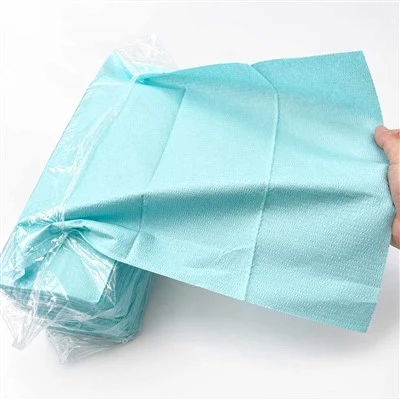
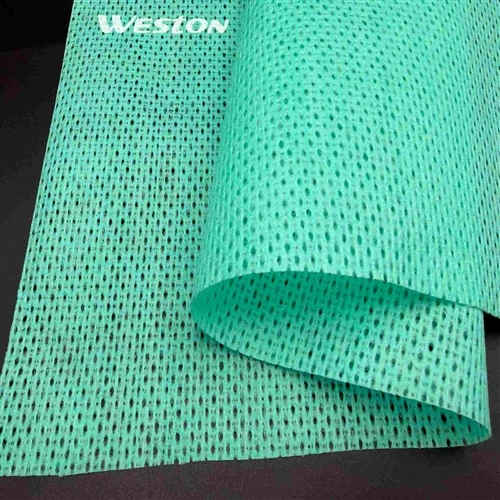
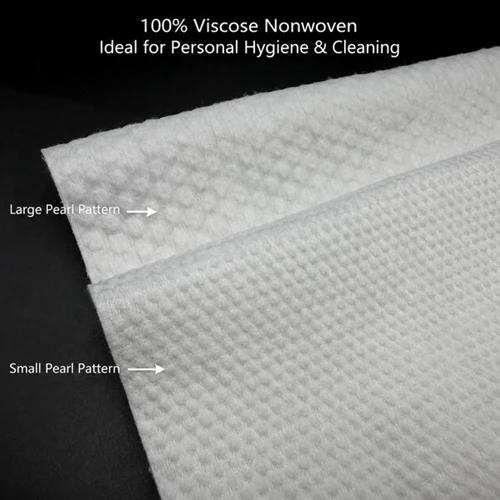
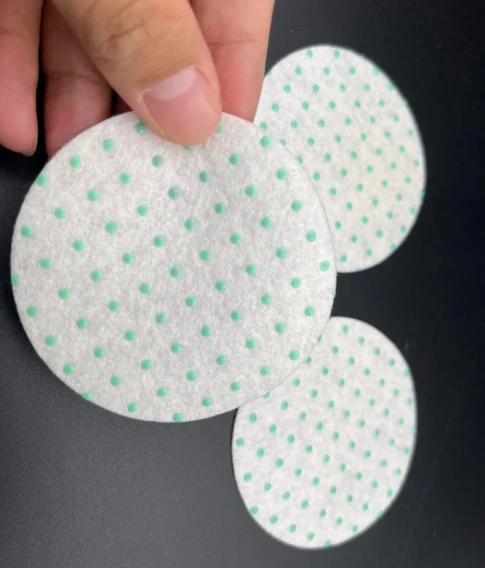
Not all pore pads are created equal. The material determines how evenly the pad adheres, how cleanly it removes debris, and how much stress it places on the skin.
High-quality spunlace nonwoven structures offer:
Consistent fiber distribution
Controlled adhesion without tearing
Better skin contact with lower irritation risk
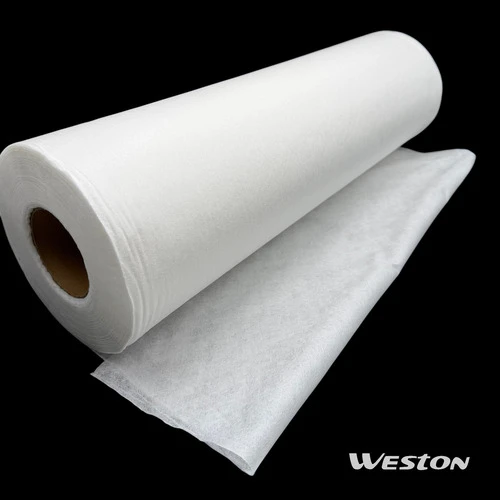
This is where professionally engineered Pore Purifying Pads made from medical-grade spunlace nonwoven fabrics stand apart from low-density alternatives.
As a specialized spunlace nonwoven manufacturer, Weston Nonwoven focuses on substrate performance rather than surface claims. Their Pore Purifying Pads are developed with balanced tensile strength, softness, and skin contact stability-designed for controlled, occasional use rather than aggressive stripping.
For brands or formulators evaluating material options, Weston Nonwoven provides free samples for testing and development.
Contact: info@westonmanufacturing.com
Using Pore Pads With Realistic Expectations
Pore pads are neither heroes nor villains. They serve a narrow but valid role when used intentionally, sparingly, and with proper follow-up care.
Clearer skin does not come from force. It comes from understanding how skin behaves-and choosing tools that respect that balance.
When used thoughtfully, pore pads can support that goal without disrupting it.