The Transition from Traditional "Bucket-and-Rag" Methods to Pre-Saturated Degreasing Systems
The transition from the traditional "bucket-and-rag" method to pre-saturated degreasing systems has transformed industrial maintenance and domestic hygiene from a messy chore into a standardized science. While many view a degreasing wipe as a mere "wet paper towel," the reality involves a complex interplay of material science and chemical engineering. To achieve a pristine surface without damaging the substrate, one must understand how fibers, solvents, and techniques interact.

The Anatomy of an Efficient Cleaning Matrix
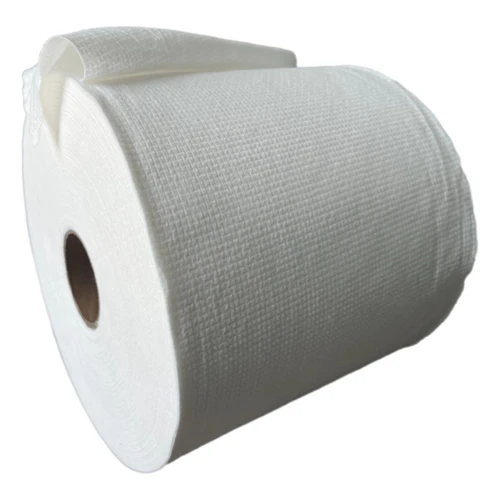
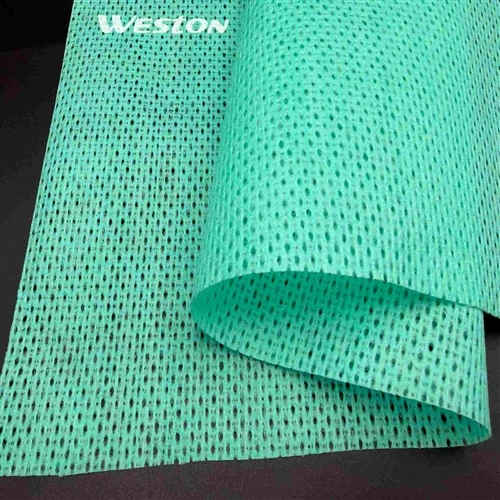
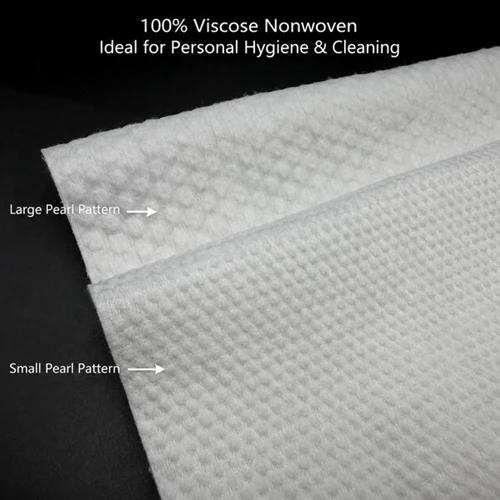
The efficacy of a degreasing wipe starts with its base material. In the world of nonwovens, the "Spunlace" process is the gold standard. Unlike traditional fabrics that use chemical glues or thermal binders to hold fibers together, spunlace technology uses high-pressure water jets to mechanically entangle fibers into a strong, lint-free web.
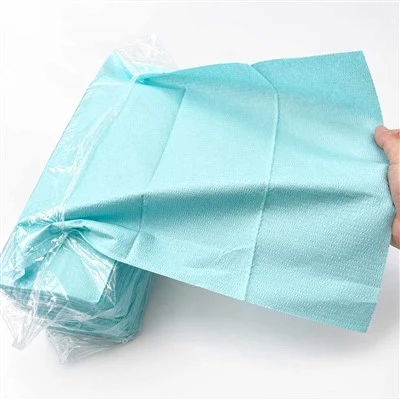
This is where specialized manufacturers like the Weston Nonwoven factory excel. By refining the hydroentanglement process, they produce substrates that offer high absorbency and "isotropic strength"-meaning the wipe won't tear regardless of which direction you pull. Their production of Heavy-Duty Degreasing Wipes relies on this precise fiber interlocking to ensure that grease is "trapped" within the fabric rather than just smeared across the surface.
Surface Sensitivity: Avoiding Costly Maintenance Errors
Using the wrong wipe on a sensitive surface can lead to irreversible damage. Here is how to navigate the most common substrates:
1. Natural Stone (Granite and Marble)
Granite is prized for its durability, but it is naturally porous. Most countertops are treated with a chemical sealant to prevent staining.
The Risk: Wipes containing acidic agents (like vinegar or lemon) or harsh bleaches can strip this sealant.
The Solution: Use pH-neutral formulations. A 70% isopropyl alcohol (IPA) solution is often recommended because it provides sufficient "dwell time" to disinfect without eroding the stone's protective layer.
2. Finished Wood and Cabinetry
Wood is highly susceptible to moisture and solvent attack.
The Risk: Many disinfecting wipes contain alcohols or ammonium compounds that act as solvents for wood finishes like shellac or wax. Frequent use can leave a "hazy" residue or cause the finish to become sticky.
The Solution: Always perform a spot test. For polyurethane-coated wood, a damp wipe followed by immediate drying with a soft cloth is the safest protocol.
3. Glass and Optical Surfaces
The primary challenge with glass is preventing streaks-visible residues left behind by unevaporated cleaner or dirty water.
The Technique: Professional detailers use the "Two-Towel Method." Use a damp Heavy-Duty Degreasing Wipes to dissolve the grime, then immediately follow with a dry, waffle-weave microfiber cloth to buff the surface dry. Avoid circular motions; use vertical strokes on the outside and horizontal on the inside to easily identify which side a stray streak is on.
Technical Matrix: Matching Solvents to Substrates
The following table serves as a quick-reference guide for selecting the appropriate degreasing strategy based on the specific industrial or domestic environment.
|
Surface Type |
Recommended Solvent |
Wipe Material |
Key Operational Tip |
|
Industrial Machinery |
Hydrocarbons / Aliphatic |
Scouring Polypropylene |
Allow 3–5 min dwell time for grease penetration |
|
Electronics (PCBs) |
High-Purity IPA (99%) |
Low-Linting Spunlace |
Use anti-static treated wipes to avoid ESD damage |
|
Commercial Kitchens |
Aqueous / Food-Safe |
100% Viscose or Cotton |
Rinse with potable water if surface is food-contact |
|
Metal Hand Tools |
VpCI (Corrosion Inhibitor) |
High-Strength Nonwoven |
Leave a molecular protective film to prevent rust |
|
Finished Hardwood |
Distilled Water / Mild Soap |
Soft Woodpulp Blend |
Wipe with the grain; dry immediately to prevent swelling |
The Physics of Wiping: Technique and Dwell Time
Even the best Heavy-Duty Degreasing Wipes will fail if applied incorrectly. Reliability in contamination control depends on two factors: the "Pull-and-Lift" technique and "Dwell Time."
The Pull-and-Lift: Instead of scrubbing in circles-which simply redistributes contaminants-you should pull the wipe toward you in a single stroke and lift it at the end. This ensures the dirt is removed from the environment entirely.
Quarter-Folding: Folding a wipe into quarters provides eight clean surfaces. Once one quadrant is soiled, you flip to a fresh face, ensuring you aren't dragging old grease back onto a cleaned area.
Dwell Time: Chemicals don't work instantly. Most degreasers and disinfectants require the surface to remain "visibly wet" for a specific duration-typically 1 to 10 minutes-to fully break down molecular bonds in oils or to kill pathogens.

Weighing the Impact: A Comprehensive Analysis
Choosing a pre-saturated wipe system involves balancing convenience against environmental and economic factors.
Advantages (Pros)
Chemical Consistency: Every wipe is saturated with the exact concentration of solvent, eliminating human error in dilution.
Safety: Pre-saturated systems significantly reduce the inhalation of volatile organic compounds (VOCs) compared to aerosol sprays.
Cross-Contamination Control: Using a fresh, disposable wipe for each task prevents the transfer of metal shards or hazardous residues from one machine to another.
Disadvantages (Cons)
Environmental Footprint: Most industrial wipes are made of synthetic polymers like polyester or polypropylene, which are essentially plastics. If disposed of improperly, they contribute to landfill waste and microplastic pollution.
Infrastructure Risk: Many wipes labeled "flushable" do not actually disintegrate in sewage systems, leading to "fatbergs" and costly municipal repairs.
Chemical Sensitivity: The aggressive solvents required for heavy degreasing can cause skin irritation or respiratory issues if used without proper gloves or ventilation.
Emerging Trends in Surface Maintenance
The industry is moving toward "green" chemistry and biodegradable substrates. New spunlace blends incorporating bamboo, wood pulp, or viscose allow for high performance while reducing long-term environmental persistence.
However, the core principle remains the same: the wipe is a precision tool. Whether you are maintaining a million-dollar CNC machine or a granite kitchen island, success depends on matching the right fiber to the right chemical and respecting the physics of the wipe. By moving away from aggressive, uncalculated cleaning and toward these methodical practices, you extend the life of your surfaces and the efficiency of your maintenance routine.
I hope this guide has provided the technical clarity needed to upgrade your cleaning protocols. I have outlined the key strategies for various surfaces; let me know if you need more details on a specific application.