What Materials Absorb Oil but Not Water?
Why Some Materials Soak Up Oil Without Taking in Water
Oil spills present a two-pronged challenge: you want to remove oil efficiently but avoid introducing new environmental burdens or secondary hazards. The ideal sorbent would rapidly attract and hold oil, repel water, be easy to deploy, and offer straightforward disposal or reuse.
In practice, no single material is perfect for all situations. Instead, responders select combinations of sorbents tailored to spill type (marine, inland, or on land), scale, and the surrounding ecosystem. Across both natural and synthetic options, absorbers are designed to exploit the distinct chemical nature of oils (hydrocarbons) versus water, leveraging differences in polarity, density, and interfacial behavior.

Two Broad Families: Synthetic Polymers and Natural Fibers
Synthetic Oil Absorbers
Typical materials: polypropylene, polyethylene, polyurethane foams, and related nonwoven fabrics.
These materials are engineered to be hydrophobic (water-repelling) and lipophilic (oil-attracting), often with high porosity to maximize surface area and oil uptake. The combination of hydrophobic surfaces and porous structure enables rapid oil absorption while water remains largely excluded. Forms include pads, booms, socks, pillows, and large rolls that can be cut to size.
Pros: high absorption capacity, fast uptake, mechanical strength, good performance in water and marine environments, relatively low cost at scale, and versatility in form factors.
Cons: many synthetic sorbents are not biodegradable; disposal and potential environmental footprint can be a concern; some products contain non-recyclable plastics, adding to waste streams unless properly managed.
Natural Oil Absorbers
Common natural options include peat moss, corn cobs, coconut coir, cotton waste, sawdust, wool, and other plant- or animal-derived fibers. These materials are often biodegradable and may be cheaper upfront; in some cases their oil absorption can match or exceed certain synthetic options, depending on the form and conditioning. They may, however, absorb some water as well as oil, particularly in marine or highly humid contexts, reducing efficiency in water-rich environments.
Pros: lower environmental impact, potential reuse of agricultural byproducts, and biodegradability.
Cons: variable performance depending on moisture, potential handling or storage challenges (bulkiness, dust, or messy deployment), and sometimes slower or lower absorption capacity per unit mass than optimized synthetics.
How the Best Absorbers Actually Work: Core Science in Lay Terms
Hydrophobicity (Water-Repelling Property)
Oil sorbents are designed so water molecules do not "wet" the material easily. Hydrophobic surfaces keep water from penetrating the sorbent, allowing it to stay buoyant and ready to absorb oil on the surface or within a shallow layer above water.
Lipophilicity (Oil Attraction)
Oil molecules are non-polar, and many sorbents are designed to be lipophilic or oleophilic, meaning they naturally attract and hold onto oil. The molecular interactions between oil hydrocarbons and the sorbent's surface (often non-polar or treated to be non-polar) drive rapid uptake and retention of oil within the sorbent's structure.
Surface Area, Porosity, and Structure
Modern sorbents emphasize high surface area and a network of pores or microfibers. More surface area means more contact sites for oil molecules, enabling fast uptake and high capacity per unit weight. The geometry of the sorbent-whether a pad, a rolled sheet, a foam, or a spherical granule-affects how quickly oil moves into the material and how easily the oil can be recovered or the sorbent disposed of after use.
Chemical Treatments and Selective Absorption
Some absorbers receive surface treatments to boost selectivity for oil over water. Hydrophobic coatings or chemical modifications can amplify oil affinity and reduce inadvertent water absorption, which is particularly helpful in mixed environments where both liquids are present. These treatments can improve performance in challenging spill scenarios but may add cost or complexity to manufacturing and disposal.
Forms and Applications: What You Actually Use in the Field
Absorbent Pads, Rolls, and Mats (Synthetic or Natural)
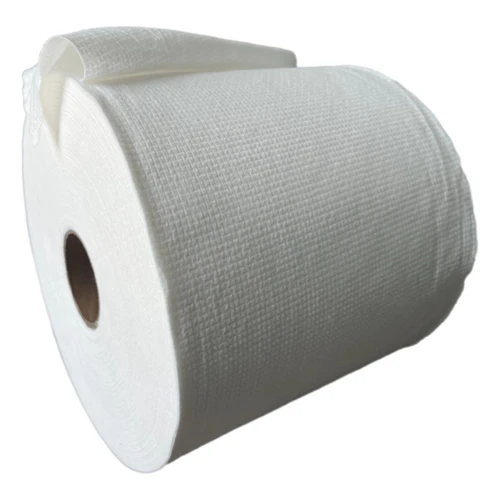
Bind and soak up oils on hard surfaces, on land, or at industrial sites. Pads and rolls are useful for covering large areas or wrapping around equipment to prevent drip spread. They are often designed to be rated for a wide range of hydrocarbons and solvents.
Booms, Socks, and Pillows
Booms float and act as barriers to contain drifting oil on water; socks and pillows are used to form barriers around machinery, joints, or small spill zones for rapid containment. These products typically use polypropylene or other hydrophobic fillers and are encased in protective meshes to improve durability and facilitate handling.
Granular Sorbents and Dust-Free Powders
Loose granules (e.g., corncob, peat moss-based granules, or clay-based dust-free products) can be scattered over spills to rapidly wick up oil; later swept or recovered. While ultrafine powders can spread easily and cover crevices, they can generate dust and require careful disposal.
Nonwoven and Composite Sheets
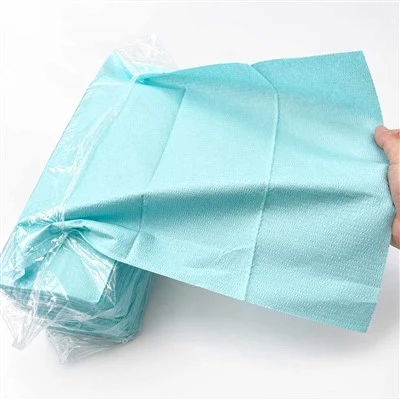
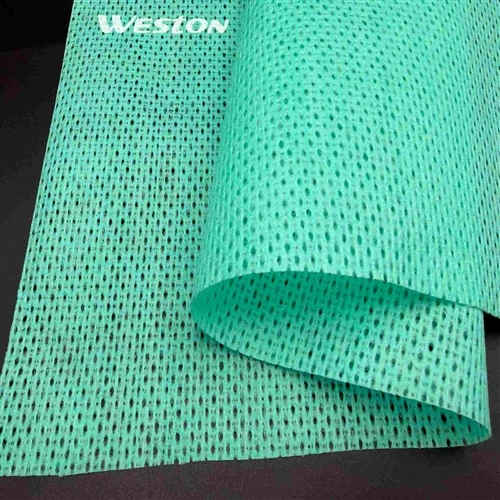
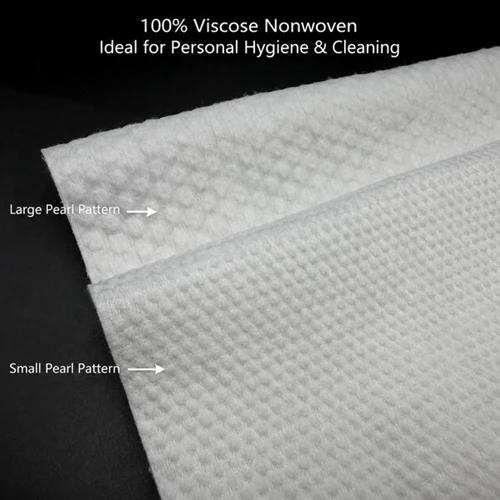
Nonwoven fabrics (including those produced by waterjet or spunbond processes) combine strength, absorbency, and flexibility for use on uneven surfaces, around equipment, and in confined spaces. Some nonwovens are designed to be oil-absorbent while repelling water, making them versatile for mixed environments.
Reusable vs Disposable Strategies
Reusable absorbents (e.g., those integrated into a managed laundering program) offer a pathway to reduce waste and disposal costs, particularly in facilities with frequent spills. Disposable absorbents are convenient for single-use scenarios but accumulate waste and disposal responsibilities.

Real-World Considerations: Environmental Impact, Safety, and Disposal
Environmental Footprint and End-of-Life Choices
Synthetic sorbents can exhibit high oil uptake per unit weight but are not biodegradable, raising concerns about long-term waste and potential environmental persistence. Natural sorbents may offer better end-of-life options but can pose handling challenges if they absorb water or become difficult to manage after saturation.
Reuse and Recycling Possibilities
Some facilities adopt reusable sorbent systems that allow recovered oil to be reprocessed or refined, reducing waste. The trade-off is the need for laundering, logistics, and ensuring that reprocessed materials do not release hazardous residues.
Worker Safety and Handling
Spills can involve hazardous materials, requiring trained personnel, protective equipment, and spill-response protocols. Using sorbents that minimize aerosolization, dust generation, or secondary contamination is an important safety consideration on industrial sites.
Cost Considerations Over the Lifecycle
Initial purchase price vs long-term cost is a key decision factor. Clay or clay-like absorbents may be cheaper upfront but lead to higher labor, disposal, and environmental costs over time. Reusable systems might have a higher upfront cost but lower total cost due to reduced waste, less frequent replacement, and avoidance of disposal fees.
Choosing the Right Absorber Mix for a Given Scenario
Marine Spills
Prioritize hydrophobic and lipophilic absorbers with high buoyancy and robust barrier-forming capabilities (booms and pads). The goal is rapid containment and efficient oil uptake while keeping water out of the sorbent matrix.
Inland and Industrial Sites
A mix of pads, rolls, and granular sorbents, tailored to the spill type (oil-based hydraulics, lubricants, fuels), can be deployed quickly. Consider a potential reuse cycle if the facility has a proven laundering and recovery program; otherwise, rely on single-use sorbents with clear disposal procedures.
Small-Scale vs Large-Scale Spills
For small, frequent leaks, reusable sorbent systems paired with routine laundering can reduce waste and operational downtime. For large, sudden spills, quick-deploy disposable pads and booms offer rapid response, with post-cleanup waste management plans in place.
Practical Note: Integrating Absorbers with Cleaning Wipes and Tools
In professional cleaning workflows, sorbents are often used in tandem with wipes and surface-prep tools to maximize cleanup efficiency. Industry practitioners may pair these oil-absorbent materials with wipe products designed for contaminant handling on various surfaces to speed removal and reduce residual oil on equipment.
For example, selecting compatible wiping products that complement the absorbent's surface chemistry can improve overall cleanliness and reduce secondary contamination. Providers and manufacturers often offer integrated solutions, including wipe exporters and related consumables, to support end-to-end spill response and routine maintenance.
When sourcing, look for products that match your spill profile, maintenance schedule, and disposal capabilities.
A Few Practical, Science-Grounded Tips for Effective Use
Match Absorber Type to Spill Conditions
For water-heavy or marine spills, prioritize hydrophobic, oil-attracting materials with buoyant properties to contain and separate oil at the surface.
For land-based spills on porous substrates (concrete, soil), pads and granules with high oil capacity and low dust generation are advantageous.
Consider Disposal Pathways Early
If you anticipate disposal challenges, consider reversible or recyclable options and ensure waste handling complies with local regulations.
Plan for Post-Spill Cleanup
A complete plan includes containment, sorption, recovery of absorbed oil, and safe disposal or reuse. Training and drills can improve response times and reduce environmental impact.
A Practical Aside: Industry Practice and Availability
Industry context shows a spectrum of materials and approaches. Research and commercial materials cover a wide range of options-from polypropylene-based pads and booms to natural granules and peat moss-based products-each with its own trade-offs in absorbency, disposal, and environmental footprint.
Real-world guidance often emphasizes balancing performance with end-of-life management to minimize waste and maximize safety.
Final Perspective: Ongoing Research and Future Directions
Advances include developing more selective absorption chemistries, improving biodegradability of synthetic sorbents, and enhancing reuse and recycling pathways for industrial cleanup operations.
The overarching goal is to reduce environmental impact while maintaining high performance in diverse spill scenarios. As technology evolves, responders will increasingly optimize combinations of sorbents, detergents, and wiping systems to achieve faster cleanup, lower waste, and safer working environments.
Practical Note for Professionals:
For comprehensive spill-response strategies and to complement absorbent materials, consider sourcing professional cleaning wipes and related consumables from reputable exporters in the field.
Weston Nonwoven offers a portfolio of wipe products that can integrate with oil-absorbent cleanup workflows, providing compatibility with industrial cleaning needs and helping streamline post-absorption tasks.
This combination of absorbents and wipes can enhance efficiency in routine maintenance and spill response.