A Comprehensive Guide to This Remarkable Material
The Smart Fabric That Does More With Less
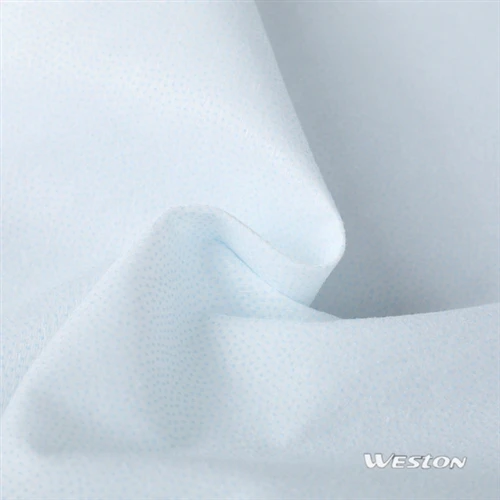
When you pick up a wet wipe, a facial cloth, or a medical drape, you're likely touching something extraordinary without even realizing it. Wood pulp PP spunlace nonwoven is the quiet hero behind everyday products that combine strength, softness, and sustainability in one innovative material. Unlike traditional textiles that require complex weaving or knitting, this fabric uses a revolutionary water-based process to achieve performance that punches well above its weight. In a world increasingly demanding materials that are both effective and environmentally conscious, wood pulp PP spunlace nonwoven stands out as a genuinely practical solution that delivers real value without the marketing hype.

1: Understanding the Basics – What Makes It Different?
The Three-Part Story: Wood Pulp + Polypropylene + Spunlace Technology
To truly understand this material, we need to break it down into its three essential components. Think of wood pulp PP spunlace nonwoven as a thoughtful combination where each element contributes something specific.
Wood Pulp: The Absorbency Champion
Wood pulp is derived from trees, processed into a cellulose-based fiber that behaves very differently from pure synthetic materials. It's not the kind of pulp you find in paper – instead, it's a refined fiber that retains the natural capacity of plant materials to absorb and hold liquids. This is why medical facilities, diaper manufacturers, and cleaning product companies have relied on wood pulp for decades. When wood pulp is incorporated into nonwoven fabrics, it dramatically improves liquid absorption rates, often outperforming synthetic alternatives by a significant margin.
Polypropylene (PP): The Strength Contributor
Polypropylene fibers are synthetic materials derived from petroleum byproducts. What makes them valuable in this blend is their contribution to structural integrity. PP brings durability, resistance to tearing, and the ability to maintain strength even when wet. While PP alone can feel stiff or plastic-like, when blended with wood pulp in the right proportions, it creates a balanced fabric that won't fall apart during use.
Spunlace Technology: The Game-Changing Process
This is where the real innovation happens. Rather than weaving fibers together or chemically bonding them, spunlace uses a process called hydroentanglement. High-pressure water jets-fired at pressures between 120-160 bar-strike the fiber web thousands of times. These water streams don't cut or damage the fibers; instead, they physically entangle them together at multiple points, creating natural interlocking bonds without any chemical adhesives. This mechanical bonding approach is the key to understanding why spunlace fabrics feel and perform so differently from other nonwovens.
Why This Combination Works So Well
The genius of combining wood pulp and PP through spunlace technology lies in balance. Wood pulp provides superior absorbency but needs structural support. Polypropylene offers durability and strength. The spunlace process, requiring no chemical binders, preserves the natural properties of both materials while creating a fabric that's genuinely soft, genuinely strong, and genuinely absorbent. It's a practical material engineered for real-world performance, not laboratory ideals.
2: The Manufacturing Process – Where Science Meets Simplicity
From Raw Materials to Finished Fabric: Five Essential Steps
Understanding how this fabric is made reveals why it performs so consistently.
Step 1: Fiber Preparation and Carding
The process begins with loose wood pulp and polypropylene fibers that need to be opened and evenly distributed. Carding machines, similar in principle to those used in traditional textile manufacturing, gently separate and align these fibers into a more uniform arrangement. This step is critical because uneven fiber distribution leads to inconsistent fabric properties. By carefully controlling the web weight during carding-typically between 80-120 grams per square meter-manufacturers ensure that the final fabric will have uniform characteristics across its entire surface.
Step 2: Drylaid Web Formation
The carded fibers are laid down onto a moving conveyor belt in a controlled, random pattern. This creates what's called a "drylaid web"-essentially a loose, fluffy mat of fibers that resembles cotton batting. This step is much simpler and more economical than wet-laid processes, which is one reason spunlace nonwovens can be produced cost-effectively at scale. The web is now ready for the transformative hydroentanglement process.
Step 3: Hydroentanglement – The Transformation
This is the heart of spunlace manufacturing. The fiber web passes under a series of sophisticated nozzles that spray high-pressure water jets onto the web at multiple angles. These jets operate at pressures that can reach 160 bar, striking the fibers with sufficient force to penetrate the web and cause fibers to move, shift, and interlock with one another. The physics is straightforward: mechanical entanglement through water pressure. Yet the results are remarkable. The fibers, once independent and loose, become so thoroughly interlocked that they create a unified fabric structure without any chemical intervention. Importantly, increasing water jet pressure from 120 to 160 bar can increase the machine-direction (MD) tensile strength by approximately 40%, demonstrating the direct relationship between process parameters and final product properties.
Step 4: Special Processing and Finishing
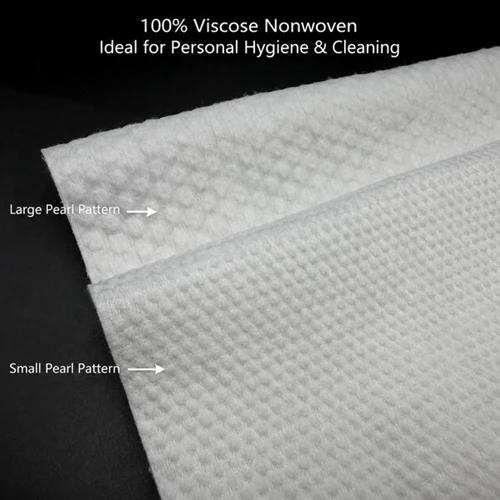
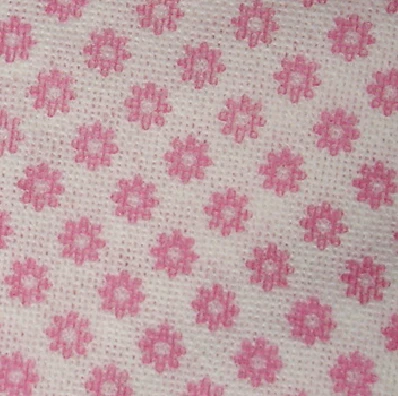
After hydroentanglement, the wet fabric can undergo optional finishing treatments. Some manufacturers add embossing patterns-such as diamond, dot, or custom designs-which can enhance absorbency, aesthetics, or functionality. Others may apply softening treatments or adjust permeability characteristics. These finishing steps are entirely optional and tailored to specific application requirements, but they demonstrate the customization flexibility that spunlace nonwovens offer.
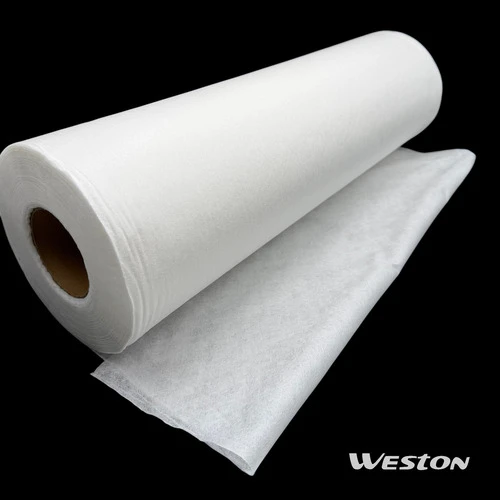
Step 5: Drying and Winding
The wet fabric is passed through high-temperature drying equipment, typically operating at 130-150°C, which removes excess moisture and brings the residual moisture content down to below 0.8%. Once dried, the fabric is wound onto rolls and is ready for conversion into end-use products. The entire process, from raw fibers to finished fabric, occurs in a continuous, relatively streamlined sequence.
Process Advantages: Why This Method Wins
The spunlace manufacturing process has several inherent advantages. It requires no chemical adhesives, reducing both costs and potential irritant concerns. It's mechanically efficient, with fewer processing steps than competing technologies. It allows for consistent quality control through measurable process parameters like water pressure, temperature, and web speed. And critically, it produces minimal waste and uses water as the bonding medium-water that can be recycled back into the process.
3: Key Properties That Matter – Performance You Can Count On
Physical and Functional Characteristics
Exceptional Absorbency
This is perhaps the most distinctive feature. Wood pulp fibers possess a natural capillary structure that absorbs water rapidly and retains it effectively. When these fibers are combined with polypropylene and processed through spunlace, the resulting fabric can absorb liquids up to four times faster than traditional cotton alternatives, depending on the specific weight and blend ratio. For industrial applications, this translates to fewer wipes needed per cleaning task. For medical products, it means better performance with reduced material consumption.
Genuine Softness Without Chemicals
Because spunlace uses mechanical bonding rather than chemical adhesives, the fibers retain their natural flexibility and surface characteristics. There are no harsh bonding nodes or stiff chemical residues that create texture. This delivers authentic softness-the kind that comes from the material itself, not from external treatments. Testing consistently shows that spunlace fabrics feel cloth-like to the touch, making them comfortable for applications involving direct skin contact, from baby wipes to facial cleansing cloths.
Strength and Tear Resistance
The hydroentanglement process creates surprisingly durable fabrics. The multiple interlocking points between fibers distribute stress effectively, making the fabric resistant to tearing and robust even when wet. This is particularly important for cleaning applications where the fabric must withstand vigorous scrubbing without disintegrating. When properly engineered with the right fiber blend and web weight, spunlace nonwovens maintain 85-90% of their dry strength even when saturated with liquid.
Low Lint and Dust Generation
Because the fibers are thoroughly entangled and not loosely bonded, spunlace fabrics shed very little lint or dust during use. This is crucial for pharmaceutical production, electronics assembly, and medical applications where particulate contamination is unacceptable. This lint-free characteristic emerges naturally from the manufacturing process, not from special finishing treatments.
Anti-Static Properties
Many formulations of wood pulp PP spunlace nonwoven exhibit natural anti-static characteristics. This is particularly valuable for electronic component cleaning and sensitive equipment wiping, where static discharge could cause damage. Some manufacturers enhance this property further through specially engineered fiber blends or finishing treatments.
Breathability and Air Permeability
The open fiber structure of spunlace nonwovens allows air and water vapor to pass through relatively freely. This characteristic makes the material suitable for medical applications like surgical gowns and drapes, where breathability is essential for both comfort and prevention of moisture buildup. Unlike plastic films or heavily bonded materials, spunlace allows the fabric to function more like a "breathing" textile.

4: The Sustainability Angle – Real Environmental Benefits
Biodegradability: Not Just a Selling Point, But a Genuine Advantage
Wood pulp PP spunlace nonwoven represents a meaningful step forward in sustainable materials. Unlike purely synthetic nonwovens, the wood pulp content-typically comprising 30-60% of the final fabric weight-is derived from renewable resources and is genuinely biodegradable. Under industrial composting conditions, these fabrics break down within 3-6 months, significantly faster than synthetic-only alternatives that may take decades to decompose.
However, it's important to be realistic: the polypropylene component is synthetic and does not readily biodegrade. A wood pulp PP blend is therefore not 100% biodegradable-it's a meaningful compromise between performance requirements and environmental impact. For applications where complete biodegradability is essential, 100% wood pulp or other plant-fiber alternatives exist, though they typically sacrifice some durability.
Renewable Resource Content
Wood pulp comes from timber operations and recycled paper processing. The forestry industry, particularly in regions with sustainable forest management practices, continuously regenerates wood supplies. This makes wood pulp far more renewable than petroleum-derived synthetics. A fabric blend that incorporates substantial wood pulp content therefore reduces reliance on non-renewable fossil fuel resources.
Energy and Water Efficiency in Production
The spunlace process, compared to traditional textile manufacturing methods, uses significantly less water and energy per unit of fabric produced. There are no complex dyeing, finishing, or multiple heat-treatment cycles required. The process is mechanically simple and runs as a continuous stream operation, which is inherently more efficient than batch-based alternatives.
Flushability and Disposal Advantages
Many products made from wood pulp PP spunlace nonwoven-particularly wet wipes and personal care items-are flushable. This means they break down in municipal wastewater systems rather than accumulating as landfill waste. While not all formulations are equally flushable, the wood pulp content significantly improves dispersibility compared to pure-synthetic nonwovens.
5: Real-World Applications – Where This Material Shines
Healthcare and Medical Products
Surgical Gowns and Drapes: Medical facilities require materials that are sterile, breathable, resistant to fluid penetration, yet comfortable for extended wear. Wood pulp PP spunlace delivers on all these fronts.
Medical Wipes and Wound Care: The combination of absorbency, softness, and durability makes this fabric ideal for medical wiping cloths, bandage substrates, and wound dressing base materials.
Isolation Gowns and Protective Barriers: Particularly relevant in disease control contexts, spunlace nonwovens provide the necessary barrier properties against body fluids while maintaining the breathability required for worker comfort during extended use.
Personal Hygiene and Consumer Products
Baby Wipes: This is arguably the highest-profile application. Parents choosing baby wipes prioritize gentleness and effectiveness, which wood pulp PP spunlace nonwoven meets perfectly.
Facial Cleansing and Cosmetic Wipes: The gentle nature of hydroentangled fibers makes this material popular for premium facial wipe brands.
Feminine Hygiene Products: These products demand high absorbency, softness, and breathability, which wood pulp components excel at.
Adult Incontinence Products: Similar to diapers, these products benefit from the absorbency, comfort, and durability that wood pulp PP spunlace nonwoven provides.
Industrial and Professional Cleaning
Precision Cleaning Wipes: Electronics manufacturers, pharmaceutical companies, and semiconductor facilities require industrial wipes that remove contaminants without introducing new particles.
General Industrial Wiping: The durability and absorbency allow these wipes to handle both liquid and particulate contamination.
Automotive and Aerospace Applications: Specialized industrial wipes made from wood pulp PP spunlace are used for surface preparation, cleaning, and finishing in vehicle and aircraft manufacturing.
Household and Commercial Cleaning
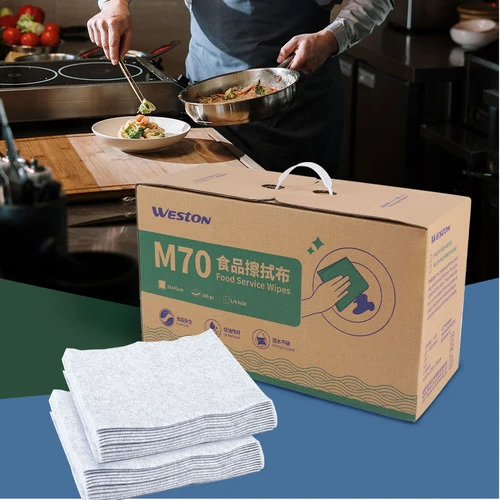
Kitchen Wipes and Dish Cloths: The absorbency and durability make spunlace-based kitchen wipes effective for food preparation surface cleaning and dishwashing.
General Household Cleaning Wipes: The soft, non-scratching nature of spunlace makes it suitable for cleaning household surfaces, furniture, and electronics.
Commercial Cleaning Applications: Hotels, restaurants, and office buildings use bulk spunlace cleaning products for consistent, cost-effective facility maintenance.
Filtration and Water Applications
The open fiber structure of spunlace nonwovens also makes them valuable as pre-filter media in water purification systems and as air filters in various applications.
6: Comparative Perspective – How It Stacks Up
Spunlace vs. Spunbond: Two Different Philosophies
While both are nonwoven fabrics, spunlace and spunbond represent fundamentally different approaches to achieving material properties.
Spunbond nonwovens are manufactured by extruding polymer filaments and thermally bonding them through heat and pressure, creating a stiffer, more uniform fabric.
Spunlace nonwovens use mechanical water-based entanglement and chemical-free bonding, producing softer, more flexible fabrics with superior absorbency and a cloth-like feel.
For wood pulp PP applications, the choice of spunlace technology over spunbond is deliberate: it prioritizes the natural advantages of wood pulp absorbency while maintaining softness and avoiding harsh chemical binders.
Comparison with 100% Wood Pulp or 100% PP Alternatives
Pure Wood Pulp Nonwovens: These offer maximum absorbency and biodegradability but sacrifice some durability.
Pure Polypropylene Spunlace: While highly durable, pure PP lacks the superior absorbency that wood pulp provides.
Wood Pulp PP Blend: This retains substantial absorbency from the wood pulp content while gaining durability from polypropylene, balancing performance, cost, and sustainability across real-world applications.
7: Addressing Common Questions and Misconceptions
"Is It Just Fancy Tissue Paper?"
No. While both are made from cellulose-based fibers, tissue and spunlace nonwoven are fundamentally different. Tissue is a paper product designed to disintegrate, while spunlace nonwoven is engineered to remain structurally intact through physical use.
"Is the Polypropylene Component Safe?"
Yes. Polypropylene is FDA-approved for food contact and is widely used in medical devices, food packaging, and personal care products. The small amount of PP in wood pulp PP spunlace is chemically stable, inert, and doesn't leach harmful substances under normal use conditions.
"Why Not Use 100% Biodegradable Materials?"
The practical answer: performance requirements. A fabric that's completely biodegradable but too weak to handle normal use isn't useful. By blending renewable wood pulp with durable polypropylene, manufacturers optimize for usability while achieving meaningful sustainability improvements.
"How Does It Compare in Cost?"
Wood pulp PP spunlace nonwoven costs more than basic pure-PP spunbond but less than specialty materials like pure silk nonwovens. The performance-per-dollar is compelling for hygiene and medical applications.
"Can I Wash and Reuse It?"
Some formulations-particularly thicker kitchen wipes-can be washed and reused several times. However, most medical-grade formulations are engineered for single-use to maintain hygiene and effectiveness.
8: Looking Forward – Innovation and Future Potential
Emerging Technologies and Improvements
The spunlace industry continues to evolve, focusing on:
Enhanced Fiber Blends: Integrating specialty fibers while maintaining chemical-free benefits.
Improved Sustainability: Developing faster-biodegrading formulations and exploring bio-based polypropylene alternatives.
Precision Customization: Advanced controls allow real-time adjustments for tailored fabrics with zero waste.
Integration with Other Technologies: Creating multi-layered products that meet complex performance requirements.
Market Trends
The global nonwoven fabric market is growing, with spunlace representing one of the fastest-growing segments, driven by demand for hygiene products and practical advantages over competing technologies.
A Material That Delivers on Its Promises
Wood pulp PP spunlace nonwoven isn't the most exotic or dramatic textile innovation. What it offers is genuine, practical functionality combined with measurable environmental benefits.
It works because water jets physically entangle fibers more effectively than most bonding methods. It's absorbent because wood pulp fibers naturally absorb liquids. It's soft because mechanical bonding doesn't create harsh stiff points. It's durable because polypropylene provides structural support. And it's more sustainable because wood is renewable while the manufacturing process requires no chemical adhesives.
This material succeeds not through hype or marketing exaggeration, but through straightforward engineering that optimizes for real-world performance. Millions of people interact with wood pulp PP spunlace nonwoven products daily, often without knowing what they're touching. This invisibility might be the best compliment this material could receive.
For anyone involved in manufacturing hygiene products, medical supplies, industrial wipes, or household cleaning materials, wood pulp PP spunlace nonwoven deserves serious consideration. It's not a trend but a material that has earned its place in global commerce through decades of reliable performance, continually improving with technological refinement.
The future of practical, effective, sustainable textiles lies in thoughtful engineering of proven materials, optimized for genuine performance. Wood pulp PP spunlace nonwoven embodies this vision.