What Is Wood Pulp Fabric?
In an era of increasing environmental awareness, the fashion and textile industries are undergoing a silent revolution. Among the most significant developments is the emergence of wood pulp fabrics-materials that bridge the gap between natural fibers and human ingenuity. These innovative textiles, derived from nature's most abundant organic polymer, are transforming our relationship with clothing and other textile products while offering a promising alternative to petroleum-based synthetics.
The Science Behind Wood Pulp Fabrics
Wood pulp fabric belongs to a category known as regenerated cellulose fibers. These are not purely natural like cotton or wool, nor entirely synthetic like polyester. Instead, they occupy a middle ground-natural materials transformed through technological processes.
The fundamental component of wood pulp fabrics is cellulose, the structural foundation of cell walls in green plants and the most common organic compound on Earth. While wood typically contains 40% to 50% cellulose, this percentage increases significantly during processing to create materials suitable for textile production.
The transformation of rigid wood into supple fabric involves dismantling and reconstructing cellulose at the molecular level. Wood from trees-often spruce, pine, hemlock, beech, or eucalyptus-is logged, debarked, and hacked into uniform chips. These chips undergo processing where they are cooked using chemical solutions such as sodium hydroxide (caustic soda) and sodium sulfide in what's known as the kraft process. This cooking process separates the cellulose from other components like lignin (which gives wood its rigidity) and hemicellulose. The resulting material is purified cellulose, also called "dissolving pulp," which contains between 87% to 98% long-chain cellulose molecules.
This purified cellulose then undergoes a remarkable metamorphosis. The cellulose sheets are soaked in caustic soda to produce alkali cellulose, which is shredded and aged before being treated with carbon disulfide. The resulting substance is dissolved in sodium hydroxide, creating a viscous solution that gives viscose rayon its name. This solution is forced through spinnerets-devices resembling showerheads-into an acid bath, where it coagulates into fine filaments of pure regenerated cellulose fibers. These filaments are then washed, stretched, and processed into spools of yarn ready for weaving or knitting into fabrics.

Environmental Implications of Wood Pulp Textiles
The sustainability of wood pulp fabrics presents a complex picture with significant contrasts between benefits and drawbacks.
Environmental Advantages
Wood pulp fabrics offer several ecological benefits compared to conventional synthetic materials:
Biodegradability: As cellulose-based products, these fabrics naturally decompose through microbial action, returning to organic compounds in the environment. This contrasts sharply with petroleum-based synthetics that persist for centuries in landfills.
Renewable Source: Wood is a renewable resource, especially when sourced from sustainably managed forests or tree farms. Fast-growing species like eucalyptus and bamboo can be harvested relatively quickly, making them efficient raw materials.
Carbon Sequestration: Growing trees absorb carbon dioxide from the atmosphere. When transformed into long-lasting textiles, this carbon remains stored throughout the product's life cycle, potentially making some wood-based fibers nearly carbon neutral.
Environmental Concerns
Despite these advantages, traditional production methods raise legitimate environmental concerns:
Chemical Intensity: Conventional viscose production involves numerous chemicals, including caustic soda and carbon disulfide. If not properly managed, these substances can impact worker safety and surrounding ecosystems.
Resource Consumption: The manufacturing process is energy and water-intensive, particularly in the pulping and washing stages.
Deforestation Risks: Without proper certification and traceability, increased demand for wood pulp could contribute to deforestation in ancient and endangered forests.
The following chart illustrates key environmental factors across different wood pulp fabric types:
|
Fiber Type |
Resource Input |
Chemical Usage |
Closed-Loop Potential |
Biodegradability |
|
Viscose |
Moderate |
High |
Low |
High |
|
Modal |
Moderate |
Moderate |
Medium |
High |
|
Lyocell |
Low |
Low-Medium |
High |
High |
The Evolution of Wood Pulp Fabric Technologies
The world of wood pulp fabrics has expanded significantly since the invention of viscose in the late 19th century. Today, several distinct generations of these materials exist, each with unique properties and manufacturing processes:
Viscose Rayon: The first generation of wood pulp fabric, originally known as "artificial silk." It remains the most widely produced man-made cellulosic fiber, accounting for approximately 79% of the total market. Viscose offers excellent drape and moisture absorption but has historically involved the most chemically intensive production process.
Modal: A second-generation fiber known as high wet modulus (HWM) rayon. Modal fibers are stronger and more stable when wet than regular viscose, making them more durable. The production process for modal has been refined to reduce environmental impact compared to conventional viscose.
Lyocell: Representing the third generation of wood pulp fabrics, lyocell is produced through a closed-loop process that recycles over 99% of the chemical solvents. This advanced manufacturing technique significantly reduces environmental impact while creating fibers known for exceptional strength and softness. The most famous lyocell brand is TENCEL®, though generic lyocell follows similar production principles.
The global cellulosic fiber market is projected to reach USD 48.37 billion by 2025, demonstrating the growing importance of these materials in the textile industry.

Wood Pulp Beyond Clothing: Diverse Applications
While wood pulp fabrics have gained recognition in fashion, their utility extends far beyond clothing:
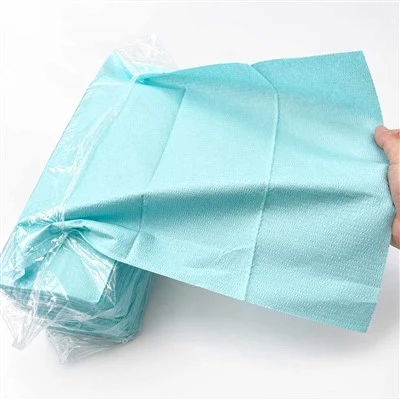
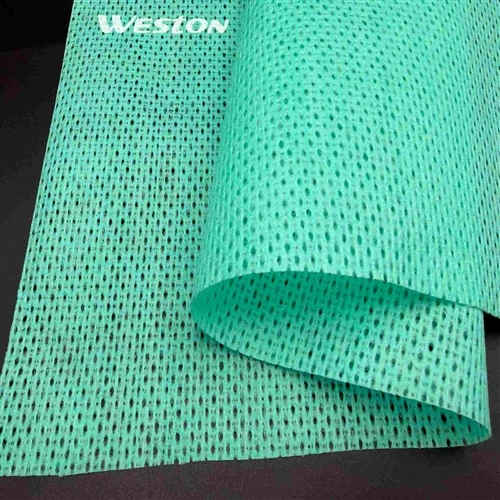
Technical Textiles: Wood pulp-based materials are increasingly used in industrial settings. For instance, Printed Composite Spunlace Fabric For Industrial Use combines wood pulp with synthetic fibers to create specialized wipers for manufacturing environments where precision cleaning is essential.
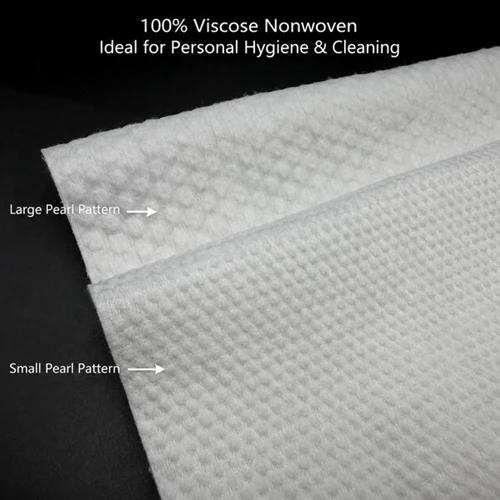
Hygiene and Medical Products: The exceptional absorbency of wood pulp makes it ideal for hygiene products. The Fluff Pulp PP Absorbent Layer incorporates 66% fluff pulp with polypropylene to create materials for baby diapers, sensitive skin washcloths, and medical supplies, offering both softness and high fluid retention.
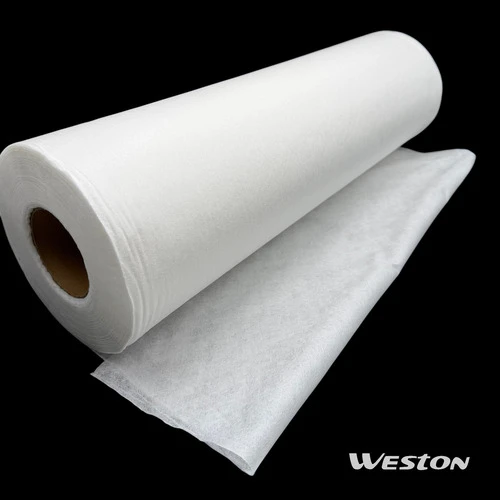
Consumer Goods: Innovative wood pulp-based products are entering homes in various forms. The Biodegradable Kitchen Paper Towel utilizes wood pulp combined with PP spunlace nonwoven technology to create a cleaning product that balances performance with environmental considerations. Similarly, Pull-Up Dispensing Embossed Spunlace Nonwoven products leverage wood pulp's natural absorbency in convenient formats for household cleaning tasks.
The Future Landscape of Wood-Based Textiles
As we look ahead, several developments promise to enhance the sustainability and functionality of wood pulp fabrics:
Closed-Loop Manufacturing: The most significant advancement lies in the widespread adoption of closed-loop production systems, similar to those used for lyocell. These systems capture and reuse water and solvents, dramatically reducing waste and chemical emissions.
Alternative Feedstocks: Researchers are exploring non-wood sources of cellulose, including agricultural residues like rice straw, which contains lower lignin content than wood. This approach could reduce pressure on forests while utilizing waste materials.
Fiber Recycling: Technological innovations now enable the recycling of cotton and other cellulosic waste into new wood pulp fabrics, creating a circular system for cellulose fibers.
Enhanced Biodegradability: Focus is increasing on ensuring wood pulp products break down efficiently after use. For instance, Weston Nonwoven's Biodegradable Kitchen Paper Towel is engineered to balance performance with environmental responsibility, though the actual biodegradation depends on disposal conditions.
Companies like Weston Nonwoven are contributing to this evolution by developing composite materials that leverage wood pulp's natural properties while addressing performance requirements across various applications. From Fluff Pulp PP Absorbent Layer for hygiene products to specialized Printed Composite Spunlace Fabric For Industrial Use, these innovations demonstrate the versatility of wood pulp as a foundational material.
For businesses interested in exploring wood pulp-based materials, Weston Nonwoven offers free samples available through info@westonmanufacturing.com, allowing professionals to evaluate these materials firsthand before making procurement decisions.
The journey of wood pulp fabric continues to evolve, balancing technological innovation with environmental responsibility to create textiles that harmonize with both human needs and planetary wellbeing.